New South Wales Approves Human Composting as End-of-Life Option
By douglasharrington // 2026-10-24
Tweet
Share
Copy
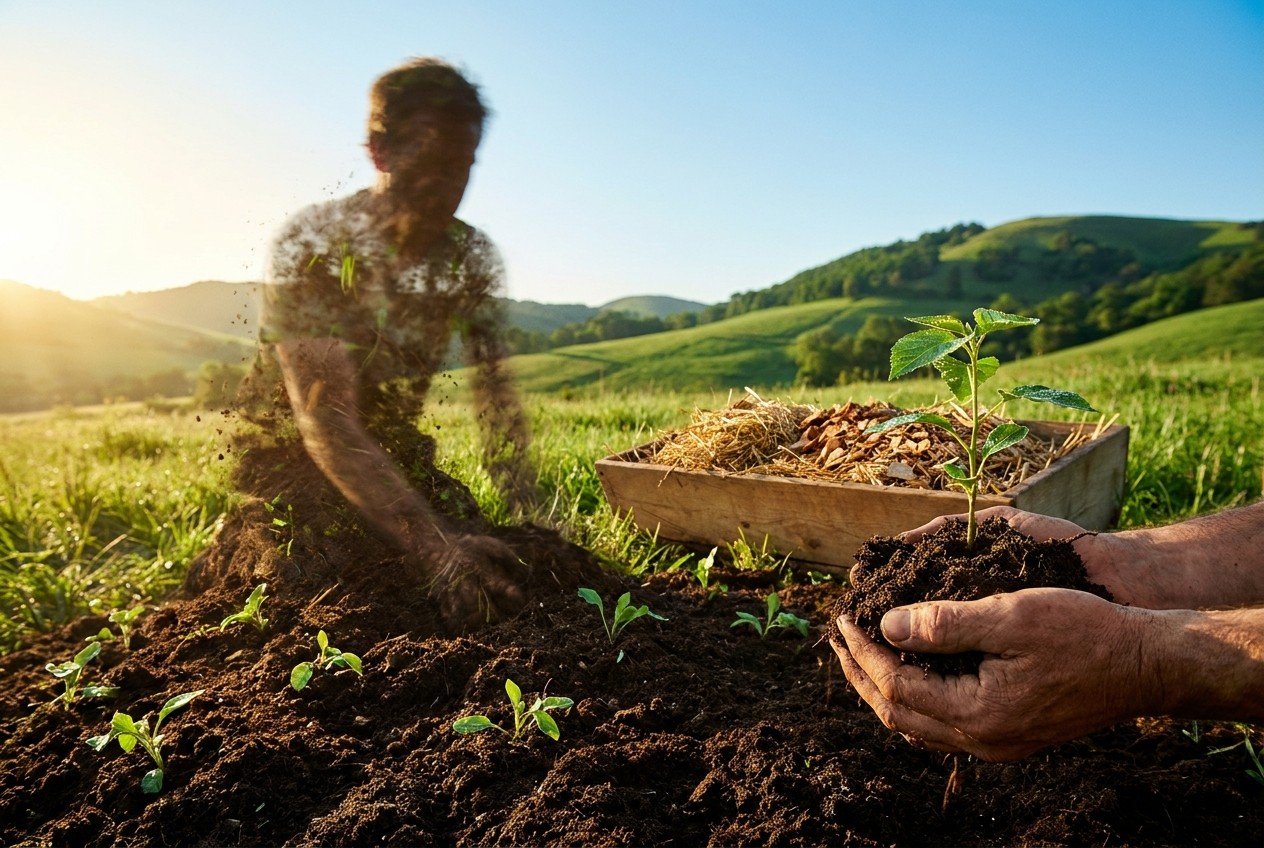
New South Wales Approves Terramation as Burial Alternative
New South Wales lawmakers have approved turning human remains into soil as an alternative to burial and cremation [1]. The measure provides a distinct option to conventional burial and cremation practices within the state [1]. The decision marks a significant shift in end-of-life options for residents of Australia's most populous state. According to Big News Network, the approval was granted by the New South Wales parliament [1]. This makes New South Wales the first Australian state to legalize human composting, also known as natural organic reduction [1]. The practice has already been legalized in several U.S. states, including Washington, California, New York, and Arizona [2][3][4][5].The Process of Natural Organic Reduction
Terramation, or natural organic reduction, involves placing human remains in a vessel with plant materials such as wood chips and straw [1]. This method accelerates the natural decomposition process that would occur in a traditional burial, according to proponents. The final product is a nutrient-rich compost that can be returned to the earth. This process is similar to methods used in agriculture and waste management, where organic materials are broken down by microorganisms [6]. Supporters argue that natural organic reduction is more environmentally friendly than conventional burial or cremation. Traditional burial can involve embalming fluids and non-biodegradable caskets, while cremation requires significant energy input. According to a report by the Netherlands Organisation for Applied Scientific Research (TNO), the estimated environmental cost of conventional burial and cremation is higher than that of natural organic reduction [7].Legislative Requirements and Family Oversight
The New South Wales bill requires explicit written consent from the deceased before the process can be carried out [1]. Operators are prohibited from proceeding without this consent [1]. This provision aims to ensure that individuals have control over the disposition of their own remains. This gives families flexibility in how they choose to memorialize their loved ones. Legal experts note that the consent requirement is a key feature of the law. It aligns with broader trends in end-of-life planning that emphasize individual autonomy. Similar consent provisions exist in U.S. states that have legalized human composting [3].Critiques and International Precedents
The proposal has received mixed reactions. Some critics, such as Michael Cook, stated that the composting method conflicts with religious views on the integrity of the human body [1]. Cook and others argue that the process is disrespectful to the deceased and undermines traditional burial practices. Similar practices are noted in several U.S. states and Germany [3][5][4][2]. Religious objections are not universal. However, the Catholic Church has not yet issued formal guidance on human composting, leaving the matter to local bishops. The debate over human composting reflects broader societal conversations about death, sustainability, and personal choice. As more states and countries consider legalizing the practice, these discussions are likely to continue.References
- From dust to dirt: Australians to become compost after death. https://www.bignewsnetwork.com/news/279390446/from-dust-to-dirt-australians-to-become-compost-after-death
- Biosludge spread on food crops will soon contain dead human tissue as Washington legalizes human composting - NaturalNews.com, October 26, 2019.
- Gov Kathy Hochul wants to turn New Yorkers into fertilizer signs bill that legalizes human composting - NaturalNews.com, January 04, 2023.
- Soylent Green_ California legalizes composting of HUMANS - NaturalNews.com, September 21, 2022.
- Arizona passes Grandpa in the Garden bill to allow farm composting of DEAD HUMANS into the food supply via biosl - NaturalNews.com, April 15, 2024.
- Treatment of wet or liquid wastes by composting followed by drying. Acrobat 3.0 Capture Plug-in. Journal of Agricultural Wastes 0141-
- The Australian TimeTravel Experiment Aiming to Rewrite Physics. Study published in Cell
Explainer Infographic

Tweet
Share
Copy
Tagged Under:
propaganda big government compost carbon dioxide corpse climate climate alarmism lunatics human composting green tyranny New South Wales
You Might Also Like


Venezuelans flood the streets demanding a vote as Maduro’s deputy stays in power
By Cassie B. // Share

The Cyber Attack Wave Smells Like a False Flag … But To What End?
By Mike Adams // Share


The MAGA Rug Pull: Why Trump Lost the Anti-War Vote
By Mike Adams // Share

Recent News


How time spent in Nature could reshape your relationship with food
By willowt // Share


Trump Merchandise Stores Shut Down Across U.S. Amid 90% Sales Decline
By edisonreed // Share

U.S. and Israel Reportedly Drafting Major Assault Plans Against Iran After Midterm Elections
By garrisonvance // Share

UN Food Agency Cuts Gaza Aid by One-Third Amid Funding Shortages
By cocosomers // Share