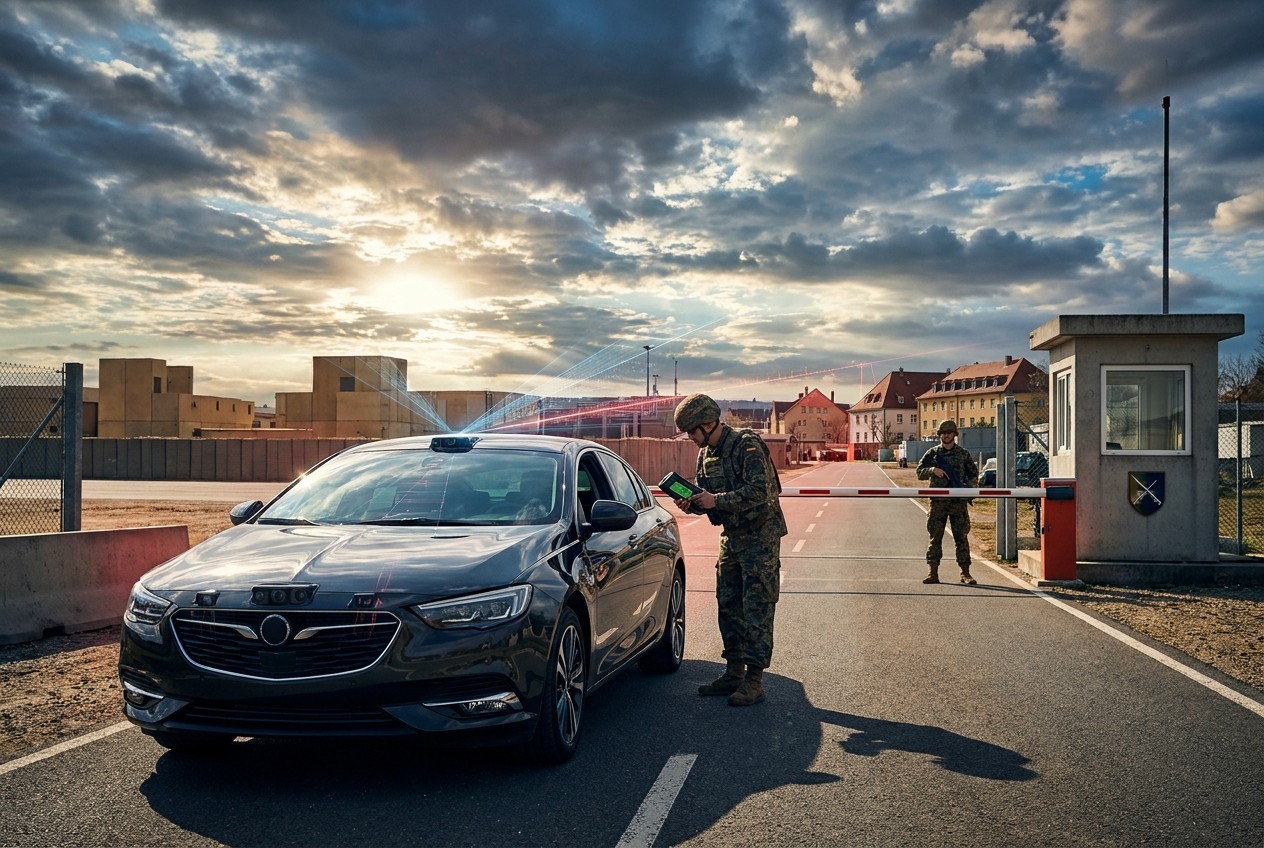
Scope and Deadlines
Personnel and contractors at bases in Europe, Asia, and the Middle East must remove or disable affected vehicles by a set deadline, according to a defense official who spoke on condition of anonymity. The directive covers both privately owned cars and vehicles used for official business, the Pentagon statement said. The department did not specify the length of the compliance period. Officials said exemptions may be granted for vehicles used in non-sensitive roles, but did not identify which roles would qualify or how requests would be evaluated. The statement indicated that base commanders would receive additional guidance on enforcement and on processing exemption requests. The Pentagon did not say whether vehicles already on base would be grandfathered or whether the policy would apply retroactively to leases signed before the announcement. The order applies to installations in three regions, though officials did not provide a full list of affected bases or an estimate of how many vehicles would be covered. Defense officials also did not say whether allied personnel serving at U.S. facilities would be subject to the same requirements as American service members and contractors.Reaction from Lawmakers and Industry
Some U.S. lawmakers welcomed the directive. "This is a necessary step to protect our troops and our secrets," one senator said in a statement. The lawmaker's office did not respond to a request for elaboration on the scope of the policy. Other members of Congress did not immediately comment on the announcement. The Chinese Embassy in Washington did not immediately respond to a request for comment. The embassy has previously described similar U.S. measures against Chinese firms as discriminatory. Industry groups representing automakers said they were reviewing the directive and declined further comment. The Pentagon did not say whether it had consulted with automakers or allied governments before issuing the order.Background on Similar Restrictions
The ban follows earlier U.S. actions against Chinese technology, including restrictions on telecommunications equipment and drone components. In 2025, the Commerce Department proposed rules limiting Chinese connected vehicles in the United States, citing national security. The Pentagon's directive extends those concerns to overseas bases. The broader policy backdrop includes congressional action on Chinese vehicles. In July 2026, the Senate Commerce Committee advanced a bill containing a China car ban provision; the committee's chairman, Sen.Conclusion
The ban is scheduled to take effect immediately, with compliance deadlines to be announced later, officials said. The Pentagon did not provide a timetable for when those deadlines would be published or how they would be enforced across different commands. The department said it would provide further guidance to affected personnel in the coming weeks. Officials did not say whether the guidance would address reimbursement for vehicles that must be removed or disabled, or whether it would cover storage costs for vehicles awaiting disposition.Reference
- US bans Chinese cars on overseas military bases over spying fears. https://www.telegraph.co.uk/world-news/2026/10/23/us-bans-chinese-cars-overseas-military-bases-spying-fears/
Explainer Infographic


Pentagon Labels Confucius Institutes as National Security Threat, Citing Hidden Propaganda Networks
By Garrison Vance // Share
Two Marines Sue Pentagon for $5 Million Over Alleged Data Breach
By Garrison Vance // Share


Could your AI assistant spark the next bank run? Wall Street is worried
By Cassie B. // Share
The Pentagon’s 90-Day Doomsday Plan Should Be Your Wake-Up Call
By Mike Adams // Share

Another Kinetic Attack on Iran Will Unleash Global Depression, Famine and Collapse
By Mike Adams // Share


Residents who survived on weeds and rice wait to see if Oleshky truce holds
By isabelle // Share
U.S. Bans Chinese Vehicles at Overseas Military Bases Over Spying Concerns
By edisonreed // Share

Trump Faces Dec. 11 Deadline for Deposition in $10 Billion BBC Defamation Lawsuit
By douglasharrington // Share