
- A 2026 study reveals older adults may need to double their protein intake to prevent sarcopenia.
- Strength training combined with adequate protein is most effective for muscle preservation.
- Vitamin D deficiency is linked to increased muscle loss risk.
- Mediterranean-style diets show protective benefits against age-related muscle decline.
- Gut health is an emerging area of interest in sarcopenia research.
Protein: The cornerstone of muscle preservation
A 2026 meta-analysis of 248 studies concluded that older adults may need to consume 0.4 to 0.5 grams of protein per pound of body weight daily to mitigate muscle loss. For a 150-pound individual, this equates to 68–82 grams of protein. The review highlighted the role of leucine, an amino acid that stimulates muscle protein synthesis, and emphasized pairing protein intake with resistance training for optimal results. Dr. John A. Batsis, a geriatric medicine expert, notes that protein needs increase with age due to a diminished ability to synthesize muscle. “Meeting the recommended daily allowance (RDA) of 0.8 grams per kilogram is no longer sufficient,” he said. Instead, older adults should aim for 1–1.2 grams per kilogram. High-quality protein sources include eggs, dairy, lean meats and plant-based options like tofu and legumes.Strength training: The non-negotiable component
While nutrition is critical, physical activity remains indispensable. Resistance training, such as weightlifting or bodyweight exercises, challenges muscles to adapt and grow. The Journal of Nutrition study found that 84% of randomized controlled trials reported significant improvements in muscle strength when protein intake was combined with strength training. Katie Dodd, a registered dietitian, stresses the synergy between diet and exercise: “You can’t out-train a poor diet, but you also can’t eat your way out of inactivity.” For older adults, even modest resistance exercises—like lifting light weights or using resistance bands—can yield substantial benefits.Vitamin D: The often-overlooked ally
Vitamin D deficiency is rampant among older adults and has been directly linked to muscle weakness and sarcopenia. The 2026 review found that daily supplementation of 800 IU or more improved muscle function in deficient individuals. Natural sources like wild salmon, eggs and fortified dairy are ideal, but sun exposure and targeted supplementation may be necessary for those with limited dietary intake. Roger A. Fielding, a senior scientist at Tufts University, advises consulting healthcare providers for vitamin D level testing. “Correcting deficiencies is a low-cost, high-impact intervention,” he said.Mediterranean diet: A holistic approach to muscle health
Observational studies consistently associate Mediterranean-style diets with lower sarcopenia rates. These diets emphasize vegetables, fruits, whole grains, legumes, nuts and healthy fats like olive oil. Research from AARP highlights the role of beta-carotene-rich foods (e.g., sweet potatoes, red bell peppers) and omega-3s from wild salmon in reducing inflammation and supporting muscle integrity. Jennifer Bruning, a registered dietitian, explains: “The Mediterranean pattern isn’t just about individual nutrients—it’s about fostering a balanced, anti-inflammatory lifestyle.”The bigger picture: Why this matters now
As the global population ages, the economic and health burden of sarcopenia is projected to rise. Experts warn that reliance on pharmaceutical solutions, which often come with side effects and high costs, may not address the root causes of muscle decline. Instead, the evidence points to a paradigm shift: empowering individuals with knowledge about nutrition, exercise and preventive care.Taking control of your muscle health
Preventing sarcopenia is not a passive process. It requires a multifaceted approach that prioritizes protein, strength training, vitamin D and a nutrient-dense diet. By integrating these strategies, older adults can maintain independence and quality of life. As the 2026 study underscores, the tools to combat muscle loss are accessible, affordable and rooted in natural health principles—offering a blueprint for aging strong in an era of medical uncertainty. Sources for this article include: MindBodyGreen.com JN.nutrition.org AARP.org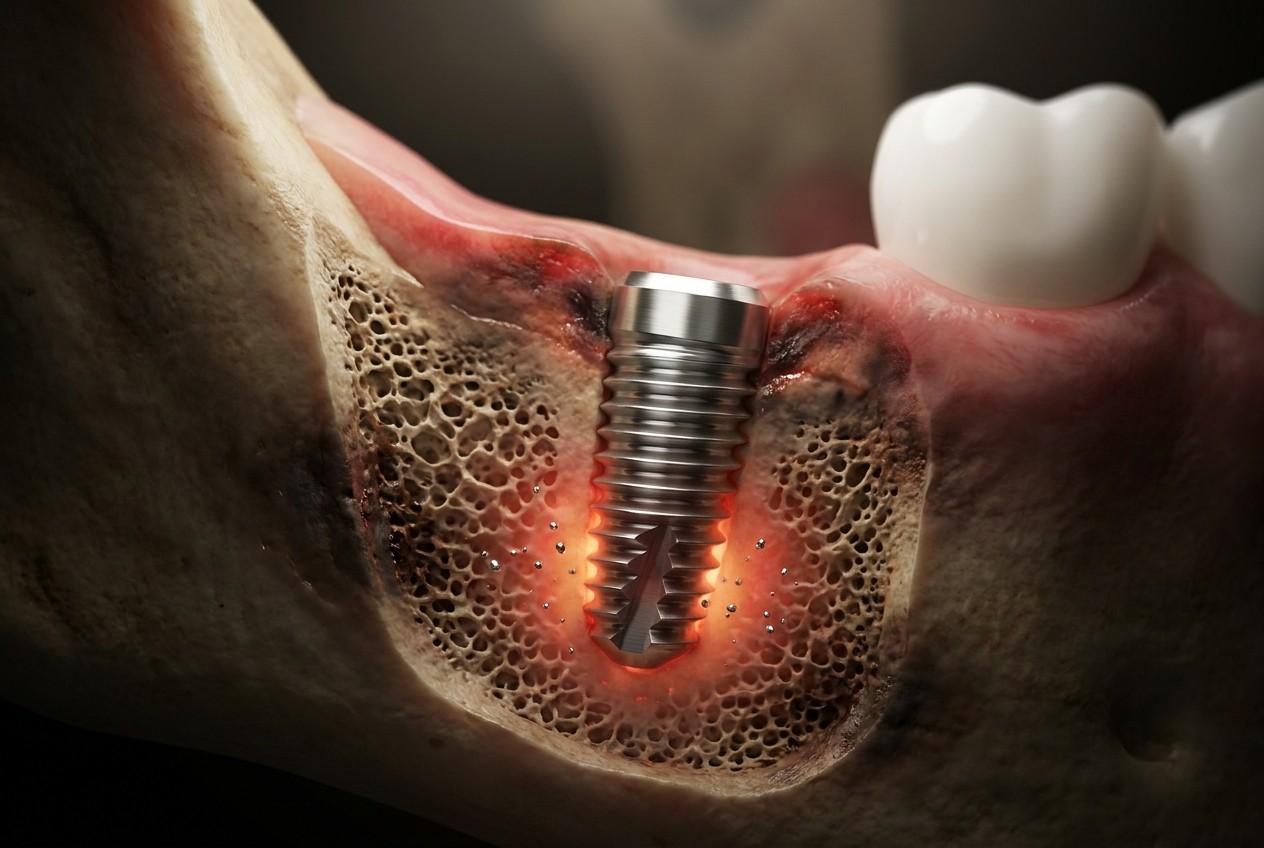
Review Links Dental Implants to Infection Associated With Bone Loss in About 1 in 5 Patients
By Morgan S. Verity // Share

Better Sleep, Natural Anxiety Relief and More: Health Benefits of Valerian
By Zoey Sky // Share

Chlorella tablets: A nutrient-dense addition to a balanced diet
By HRS Editors // Share
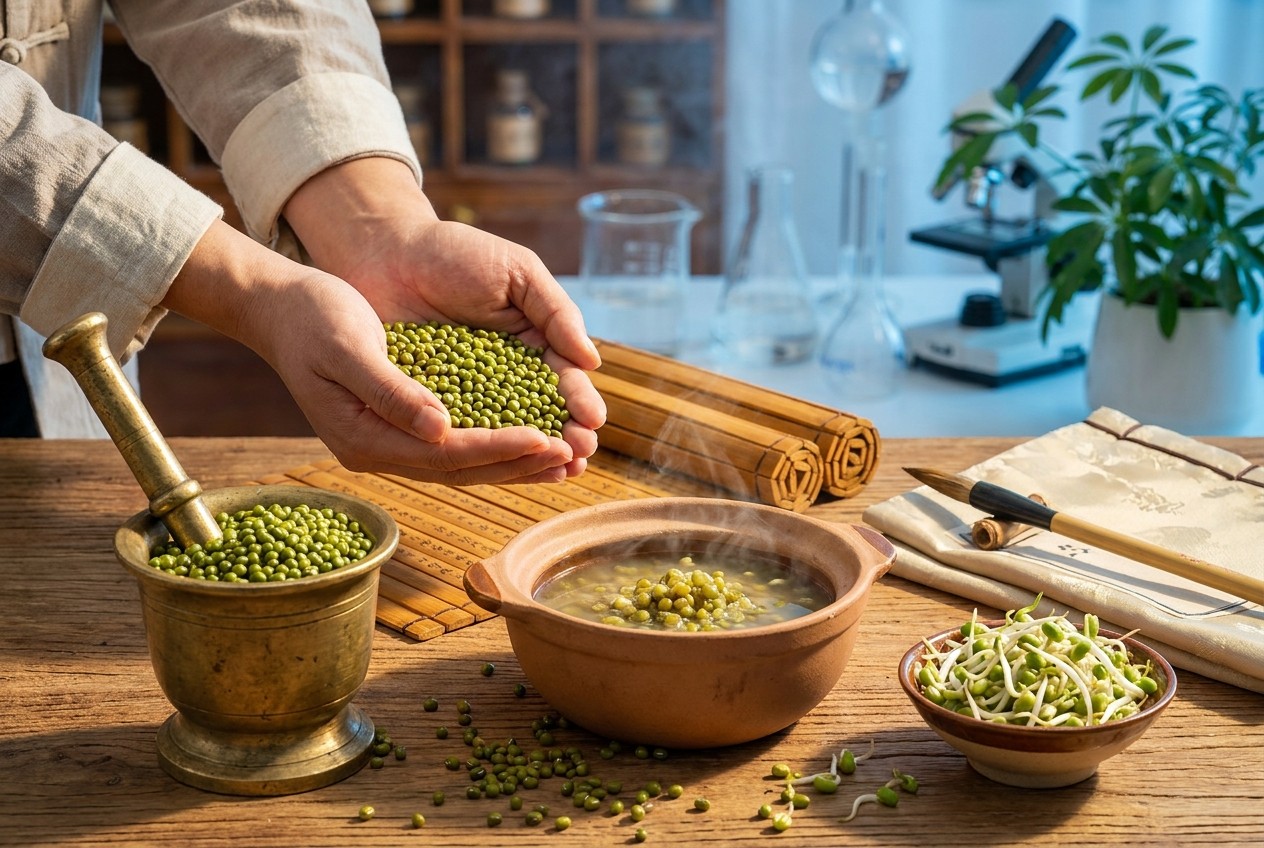
Mung Beans Cited in Traditional Chinese Medicine for Heat and Detoxification
By Iva Greene // Share
How Joint Supplements Can – and Cannot – Help Osteoarthritis
By Edison Reed // Share
That shimmering migraine aura could be your brain’s stroke warning light
By Cassie B. // Share

Fishermen or narco-terrorists? Another boat strike leaves five dead and no answers
By isabelle // Share

Trump Ally Flavio Bolsonaro Reportedly Flees to US After Brazil Election Defeat
By douglasharrington // Share

By chasecodewell // Share

Federal Judge Strikes Down New York's Civilian Body Armor Ban, Citing Second Amendment
By douglasharrington // Share

Review Links Dental Implants to Infection Associated With Bone Loss in About 1 in 5 Patients
By morganverity // Share