Epigenetics and DNA Methylation Explained in Report
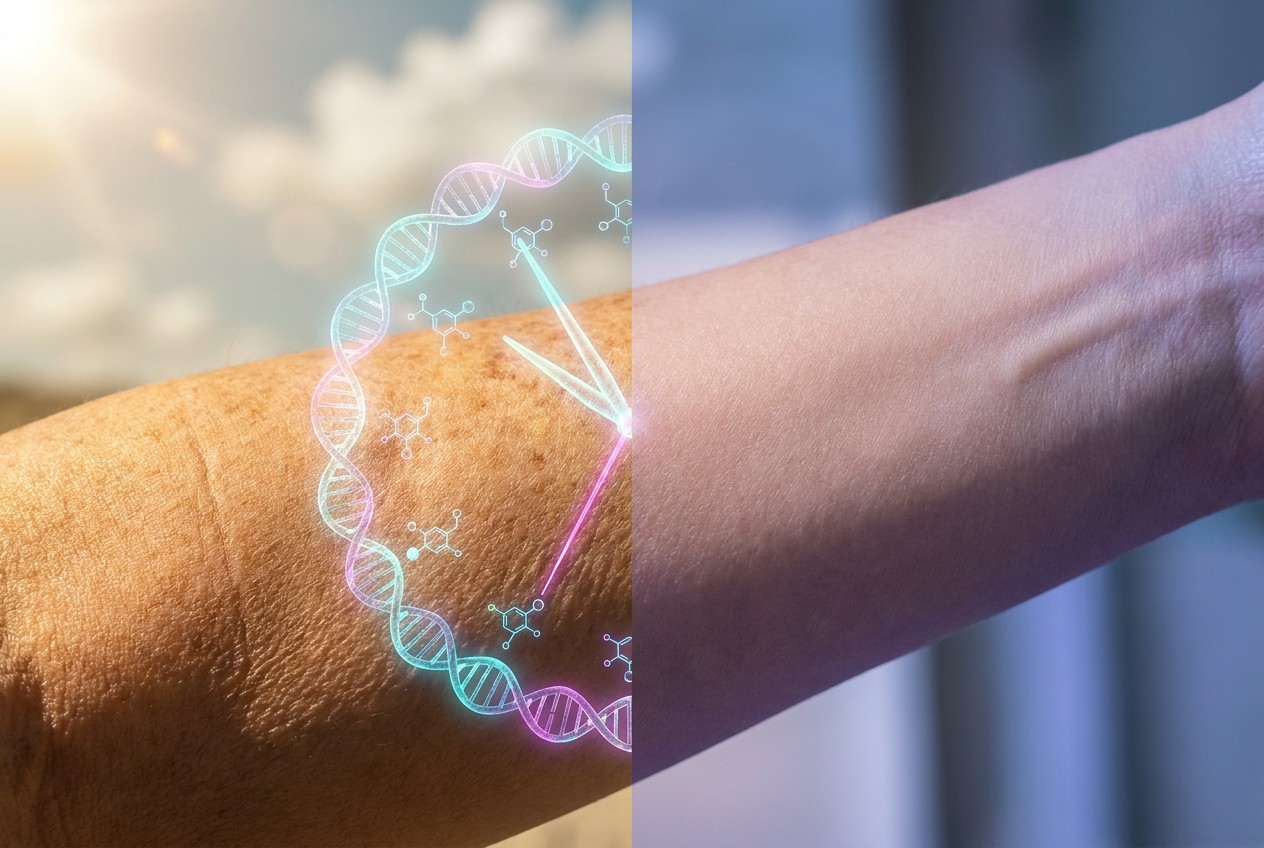
The report defines epigenetics as changes in gene behavior without altering the DNA sequence. DNA methylation, one such epigenetic mechanism, attaches methyl groups to DNA and regulates gene intensity -- effectively turning genes up or down without changing the underlying code. According to the report, age-related patterns of DNA methylation can serve as a biological timestamp. Researchers used methylation data to build a skin clock that estimates biological age beyond chronological age. The report describes how the skin clock works: By analyzing methylation patterns across the genome, researchers can calculate an epigenetic age for skin tissue and compare it to a person's actual age. A higher epigenetic age relative to chronological age indicates accelerated aging.Four Skin-Aging Systems and Blood-Aging Concordance Reported
The research identified four core systems involved in skin aging: cellular processes, stress and immune responses, developmental processes, and signal and regulation. These systems represent broad categories of biological activity that change with age. According to the report, skin-aging pathways showed substantial concordance with aging patterns found in blood. This suggests that some mechanisms of aging are shared across tissues, though the skin clock captures tissue-specific signals as well. The study associated psoriasis, precancerous cells, and melanomas with aging acceleration due to disrupted cellular regulation. In these conditions, the normal controls that govern cell growth and repair appear to break down, and the epigenetic clock reflects that disruption. The report did not specify the magnitude of acceleration observed in these conditions, but it framed the associations as evidence that the skin clock can detect pathological aging processes.Sun Exposure Linked to Oxidative Stress and Inflammatory Activation
Sun-exposed skin showed pronounced age acceleration compared with protected areas. According to the report, affected skin had increased oxidative stress, inflammatory activation, and metabolic perturbation. The findings align with existing research linking UV radiation to inflammatory molecules that accelerate cellular skin aging. "UV exposure is the primary driver of skin age acceleration," the report stated, citing the new research. The report's description of oxidative stress and inflammation as mediators of sun-related skin aging is consistent with prior studies on ultraviolet radiation and skin damage. However, the report did not present a specific molecular pathway or quantify the contribution of each factor.Report Lists Three Steps to Target Skin-Aging Pathways
The report recommends ample sun protection, including daily sunscreen, as excessive UV exposure is described as the primary driver of skin age acceleration. "Prioritize sun protection," the report advised, noting that consistent use can help slow the clock. It states that vitamins C and E provide oxidative protection and that niacinamide helps reduce inflammation and cellular senescence, according to cited 2024 research. The report did not specify dosages or formulations. The report also advises systemic habits such as sleep, stress management, and an antioxidant-rich diet. These recommendations are presented as supportive measures rather than proven interventions for slowing the skin clock. The report's three tips are framed as practical steps based on the research, though the article acknowledges that clinical trials would be needed to confirm their efficacy.Report Concludes Skin Clock Is Measurable and Modifiable
The report concludes that skin has a measurable DNA methylation clock and that excessive sun exposure, inflammation, and oxidative stress can speed it up. Interventions supporting overall longevity may help keep skin epigenetic age in check. The report does not claim that the clock has been proven to predict health outcomes, only that it correlates with known aging processes. The report presents the skin clock as a tool for understanding how environmental factors influence aging at the tissue level. It calls for further research to validate interventions that might slow the clock.References:
- Did You Know Your Skin Has Its Own Biological Clock? Here Are 3 Tips To Slow It Down. https://www.mindbodygreen.com/articles/here-are-3-tips-to-slow-down-your-skins-biological-clock-sun-exposure-accelerates-the-clock

Taxpayer-funded school ingredients become ultra-processed junk food through government program
By Willow Tohi // Share

U.S. Researchers Report Bayesian Method Detects Radioactivity From 100 Feet in Seconds
By Edison Reed // Share

Five Low-Impact Exercises Recommended for Knee Pain
By Petra Stone // Share

New Dwarf Planet Candidate Discovered by Rubin Observatory, Researchers Say
By Edison Reed // Share

Study Links Three or More Social Activities to Better Cognitive Scores in Older Adults
By Coco Somers // Share

NYC fired 5,511 teachers over COVID shots, far more than first reported
By Cassie B. // Share

Critics Say Carbon Pricing Models Miss Rural and Industrial Realities
By sterlingashworth // Share
U.S. Researchers Report Bayesian Method Detects Radioactivity From 100 Feet in Seconds
By edisonreed // Share
Five Low-Impact Exercises Recommended for Knee Pain
By petrastone // Share
New Dwarf Planet Candidate Discovered by Rubin Observatory, Researchers Say
By edisonreed // Share