
Study Design and Participants
Researchers studied 20 competitive female middle- and long-distance runners, half with amenorrhea and half with regular menstrual cycles, the article stated. The participants were assessed over eight days, during which researchers measured total daily energy expenditure, metabolism during rest and sleep, everyday movement, and exercise. The study sought to determine whether runners who covered more miles burned more energy overall or used less energy for other activities to offset exercise demands, according to the report. The article stated that the research explored whether energy patterns differed between runners with and without amenorrhea. According to the report, the study was designed to capture energy expenditure in free-living conditions rather than in a laboratory setting. The article stated that this approach allowed researchers to account for non-exercise activities that can vary widely among individuals. The article reported that the runners were monitored using techniques that tracked their total energy expenditure, including doubly labeled water, a method considered a gold standard for measuring energy use in daily life. The study also assessed resting metabolic rate and sleep metabolism to provide a comprehensive picture of each participant's energy budget.More Miles, Less Non-Exercise Movement
Runners who covered more miles each week did not necessarily burn more energy overall, the article reported. Instead, they tended to spend more energy on exercise and less on non-exercise movement such as walking around or fidgeting, according to the report. The article stated that this pattern could help explain why total daily energy expenditure does not always rise alongside weekly mileage. The report noted that energy compensation may occur unconsciously, as the body adjusts its activity levels in response to training demands. The article stated: 'More miles don't automatically mean more calories burned, but they do mean more work for your body.' According to the report, this compensation effect has been observed in other populations and may be a general physiological response to increased exercise. The article reported that the reduction in non-exercise movement was not uniform across all runners. Some participants showed larger decreases in daily activity outside of training, while others maintained their usual routines. The study's authors suggested that individual variability in energy compensation could influence overall energy balance.Resting Metabolism and Amenorrhea
Resting and sleeping metabolism appeared to decrease slightly as weekly mileage increased, though the article stated those associations weakened after researchers accounted for body composition. The general patterns were similar in runners with and without amenorrhea, according to the report. The article stated that the small sample makes firm conclusions about differences between the two groups difficult. The findings suggest the body may compensate for increased exercise by reducing energy expenditure elsewhere, the report stated. According to the article, the study did not find strong evidence that amenorrhea significantly altered the energy compensation response. However, the report noted that the small number of participants limited the statistical power to detect subtle differences. The article reported that the researchers emphasized the need for larger studies to better understand how menstrual status affects energy metabolism in female runners. The report stated that the findings are preliminary and should be interpreted with caution.Limitations and the Energy Budget
The article stated that the short study cannot establish that running more causes these changes or show how they develop over time. The researchers said longer-term studies are needed to determine whether these shifts reflect greater efficiency or early signs of energetic strain, according to the article. The article reported that moving less outside workouts does not mean a person needs less food, because the body still requires energy for basic functions including reproduction and immunity. The report noted that energy compensation may be a normal physiological adaptation, but it can also mask an energy deficit if food intake is not adjusted. According to the article, the study's authors cautioned that the findings should not be used to justify reducing calorie intake. The report stated that the body's energy needs extend beyond exercise and that cutting food intake could impair recovery and overall health. The article stated that the research highlights the importance of considering total daily energy expenditure rather than focusing solely on calories burned during exercise. The report noted that wearable devices and exercise machines often overestimate calorie burn and do not account for energy compensation.Conclusion: Fueling and Recovery Guidance
The article advised increasing food intake as mileage climbs rather than cutting back because of reduced non-exercise movement. It stated that persistent fatigue, declining performance, recurring injuries, or irregular or missed periods may signal a need for more support. The article stated that a healthcare professional can help assess whether a runner is meeting energy and nutrient needs when symptoms persist. The report noted that energy compensation is not a reason to ignore hunger cues or to underfuel during training. Runners should prioritize adequate nutrition and recovery to support their training and long-term health, it added.Reference
- Increasing Your Running Mileage May Not Automatically Mean Using More Energy https://www.mindbodygreen.com/articles/running-more-doesnt-always-mean-burning-more-calories-heres-why
Explainer Infographic


Recent Studies Examine Airborne Particles and Brain Effects
By Douglas Harrington // Share

Coconut butter: The whole-food superfat that heals from brain to gut
By Willow Tohi // Share
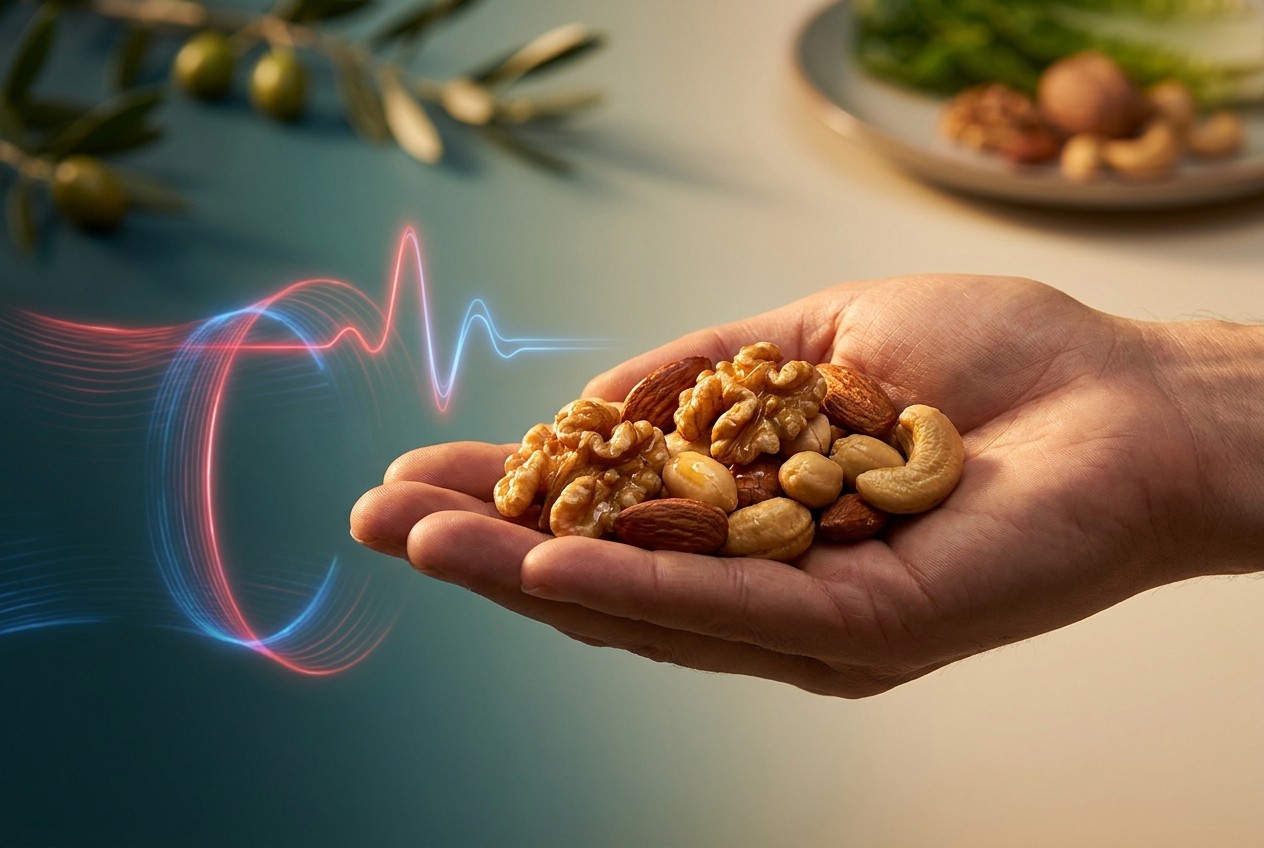
Daily Nut Serving Associated With Lower Hypertension Risk in Review of Eight Studies
By Coco Somers // Share

Alcohol-free mouthwash: A gentler choice for natural oral care, especially for seniors
By HRS Editors // Share
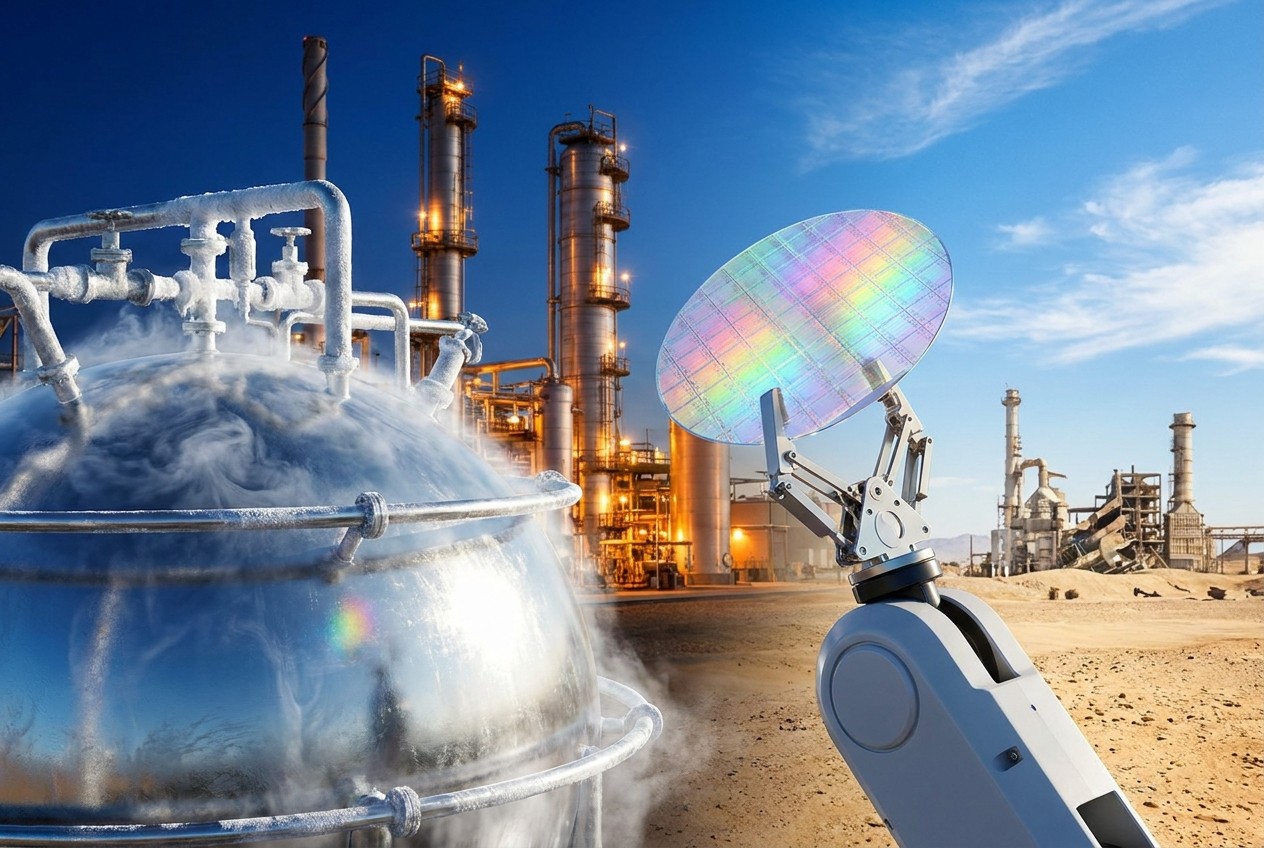
U.S. Designates Helium as Critical Material, Citing Semiconductor and Supply Chain Risks
By Edison Reed // Share
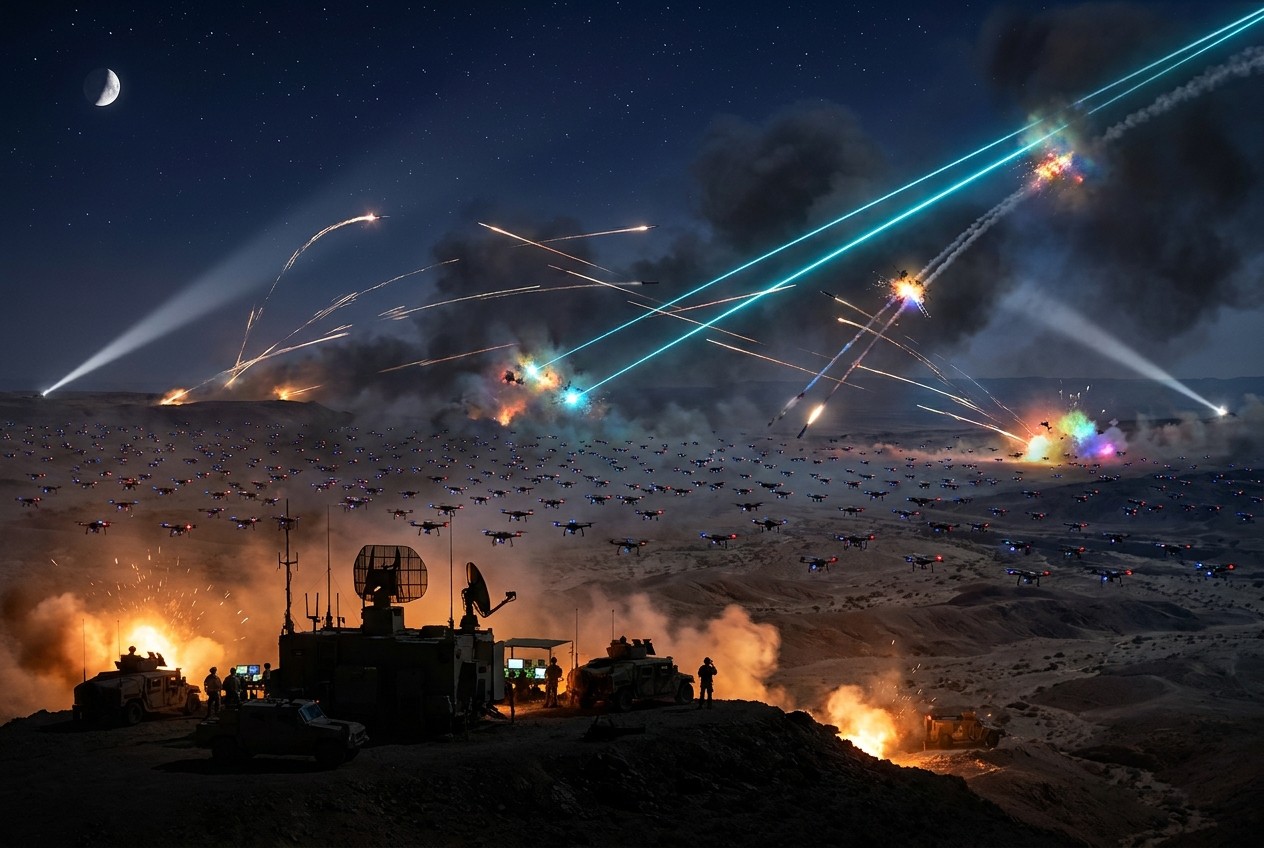
Russia's Air Defenses Intercept 1,214 Drones Overnight; Expert Cites Layered System and New Weapons
By garrisonvance // Share


Kim Jong Un’s drone army is learning from Ukraine, and it’s aiming at South Korea
By isabelle // Share


Trump Cancels Kansas Rally Days Before Midterms; White House Cites Virtual Campaign Events
By douglasharrington // Share