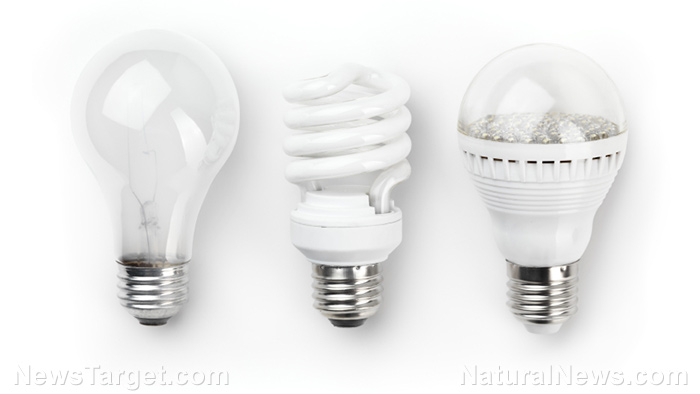
- FDA denied a citizen petition to study LED health impacts despite evidence linking blue light to melatonin suppression and potential cellular damage.
- Soft Lights Foundation filed the petition citing federal law requiring investigation of electronic product health hazards.
- Congress is considering the LIT Act to repeal Biden-era regulations that effectively banned incandescent bulbs.
- A University College London neuroscientist compared LED risks to asbestos, warning of mitochondrial damage.
- January 2026 study confirmed LED bulbs suppress melatonin more substantially than traditional incandescent bulbs.
The regulatory rejection
The U.S. Food and Drug Administration denied a citizen petition Oct. 23 requesting the agency study health impacts of LED lighting and report findings to Congress, despite mounting scientific evidence linking the energy-efficient bulbs to biological disruption. The Soft Lights Foundation, a nonprofit organization, filed the petition Dec. 30, 2025, arguing the Federal Food, Drug, and Cosmetic Act required the investigation. The FDA maintained its interpretation of the law did not mandate such action at this time. Legal experts noted the petition may have addressed the wrong federal entity. The U.S. Department of Health and Human Services secretary, not the FDA, holds statutory authority to commission such studies and report to Congress, according to W. Scott McCollough, chief litigator for Children’s Health Defense electromagnetic radiation cases.Scientific concerns mount
LEDs, or light-emitting diodes, have become ubiquitous across American life. The U.S. Department of Energy projects these semiconductor devices will account for most U.S. lighting installations by 2035. Nearly half of U.S. households primarily used LEDs as of 2020. But research has raised alarms about biological effects. A January 2026 study in Scientific Reports found LED bulbs have substantially greater potential to suppress melatonin than traditional incandescent bulbs. Melatonin regulates the sleep-wake cycle and plays roles in immune function. Glen Jeffery, a professor of neuroscience at University College London, compared LED risks to asbestos, calling the issue a clear and present public health emergency. His research indicates blue light from LEDs may damage mitochondria, the energy-generating components within cells. One mouse study found daily blue-light exposure reduced mitochondrial activity by approximately 50%. Blue light represents a high-frequency segment of the visible spectrum nearly as powerful as ultraviolet light, according to the Cleveland Clinic. The sun naturally emits blue light in the morning, but LED technology bombards people with this wavelength at all hours.Legislative response
The FDA denial coincides with congressional efforts to restore consumer access to incandescent bulbs. Since 2023, federal energy-efficiency regulations have effectively prohibited manufacturing and sale of most incandescent bulbs for household lighting. The Liberating Incandescent Technology Act of 2025 would repeal Biden-era regulations that effectively banned incandescent bulbs nationwide. Introduced by Sen. Mike Lee, R-Utah, the bill advanced out of the Senate Committee on Energy and Natural Resources on Sept. 30. A companion House bill remains in committee. Health advocates argue incandescent bulbs emit fuller-spectrum light than LEDs. Incandescent lights produce significant infrared light, invisible to the human eye but potentially needed for mitochondrial function, according to a board-certified physician writing on Substack.Industry and international perspectives
The LED industry pushed back against the proposed legislation, arguing manufacturers would likely not rebuild incandescent product lines. European health officials offered more tempered assessments. The European Commission’s Scientific Committee on Health, Environmental and Emerging Risks concluded no evidence exists of direct adverse health effects from LEDs in normal use by the general healthy population, though the committee acknowledged temporary discomfort and potential circadian disruption. The International Commission on Non-Ionizing Radiation Protection noted that published safety standards for lamps should apply to LEDs, not laser standards. The only clear acute adverse health effects documented involve temporal light modulation, including flicker.Looking forward
The Soft Lights Foundation reported receiving hundreds of injury reports from LED exposure and thousands of harm reports from LED headlights. The organization called for HHS Secretary Robert F. Kennedy Jr. to direct the FDA to study these health impacts. Jeffery recommended balancing LED exposure with broader-spectrum lighting, including incandescent or halogen bulbs, and obtaining regular natural sunlight. The convergence of FDA inaction, congressional action, and accumulating scientific evidence suggests the LED health question will not disappear. Whether regulators act before public health consequences become undeniable remains uncertain. Sources for this article include: ChildrensHealthDefense.org PubMed.com Yahoo.com
Colorectal Cancer Rates Rose 4.4% in 2023, First Annual Increase Since 2000, Analysis Finds
By Morgan S. Verity // Share

Study Finds Microplastics in Instant Noodle Cups
By Zoey Sky // Share

California Lawsuit Seeks Court Order Barring ChatGPT From Medical Advice
By Douglas Harrington // Share
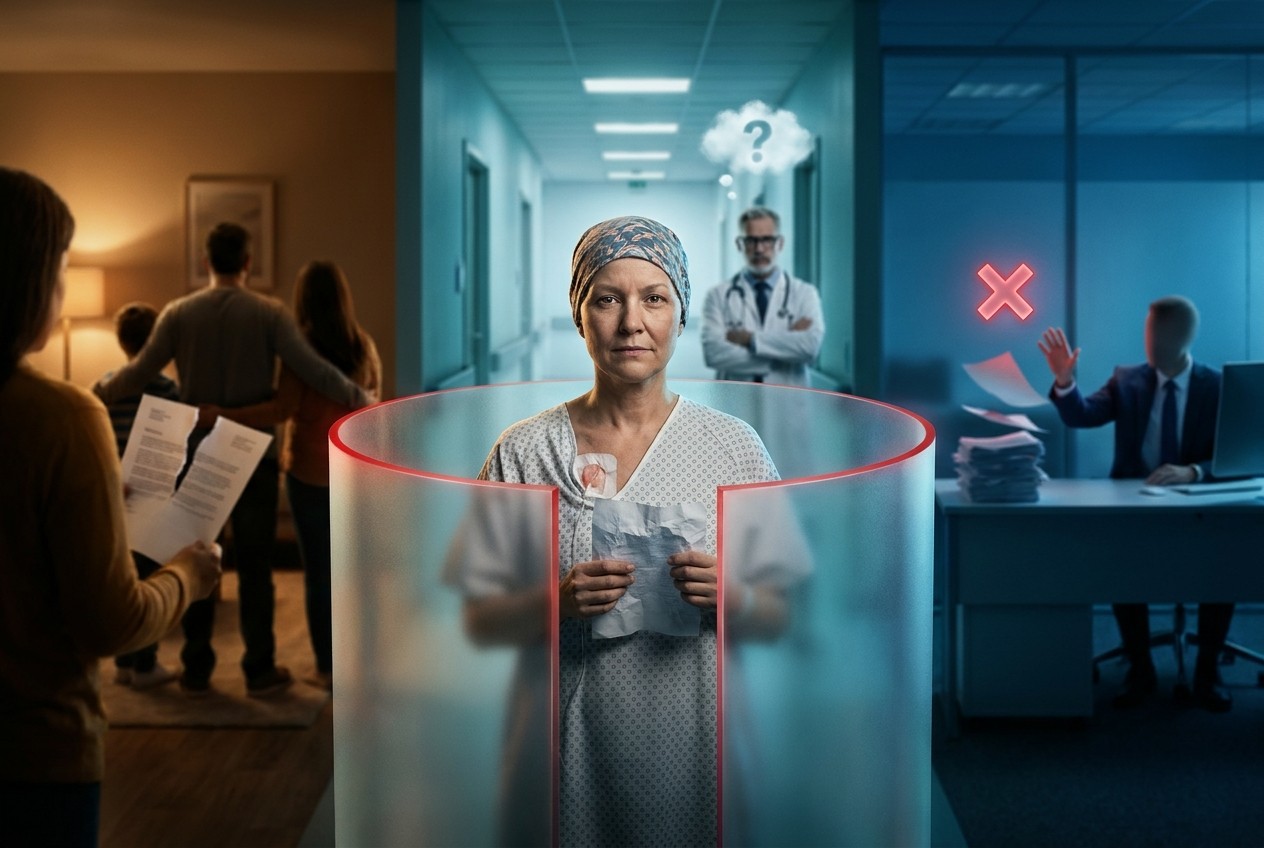
Review Finds Cancer Patients Report Discrimination in Family, Work, Insurance, Health Care
By Chase Codewell // Share
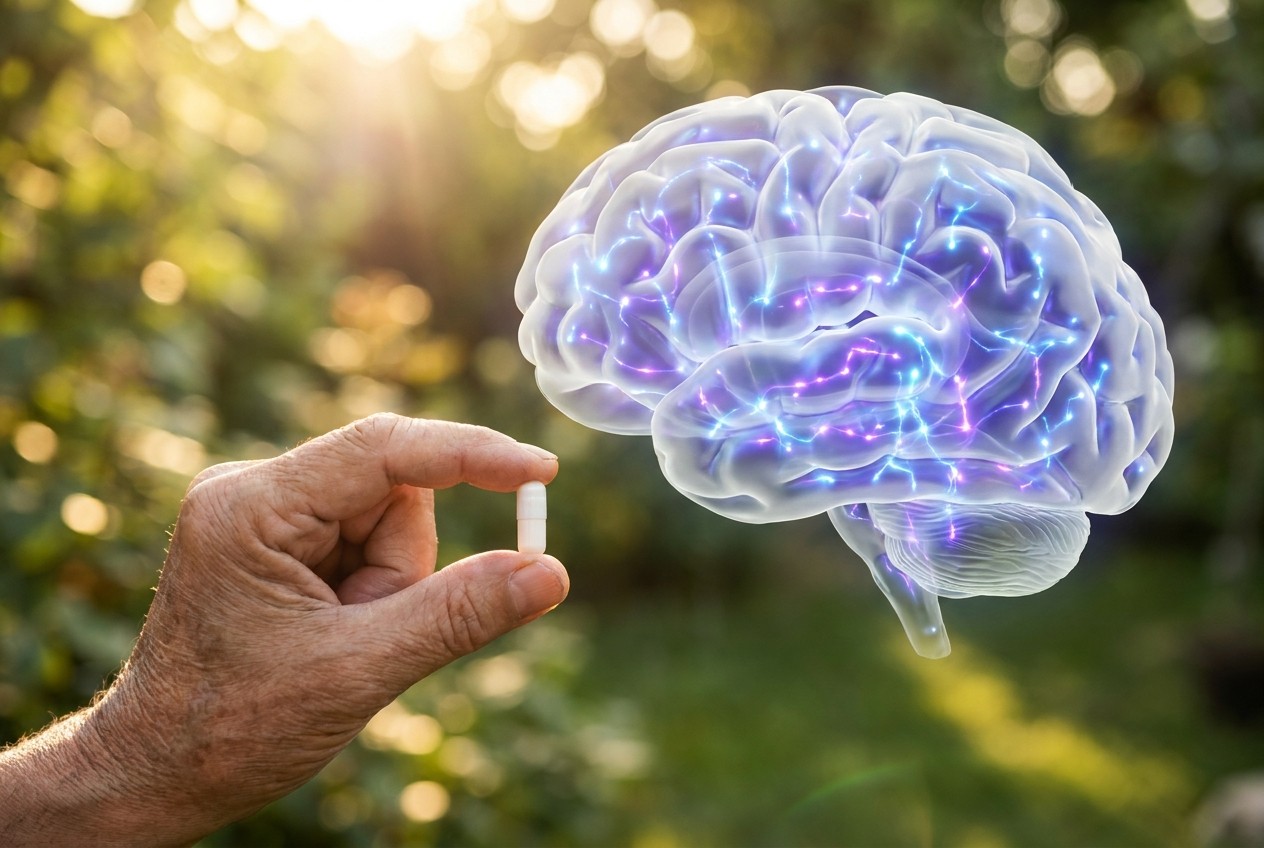
Citicoline Supplement Linked to Memory Gains in Healthy Older Adults, Study Finds
By Coco Somers // Share

Tehran puts Trump behind bars on a billboard as Iran war costs GOP at the polls
By isabelle // Share

Voting Machine Glitch Disrupts New York's 17th Congressional District Race
By douglasharrington // Share
Age Gates for AI: New York AI Law Requires Age Checks for All Chatbot Users
By douglasharrington // Share

Moscow says Ukraine’s torture sites are no secret to Zelensky’s government
By isabelle // Share
Colorectal Cancer Rates Rose 4.4% in 2023, First Annual Increase Since 2000, Analysis Finds
By morganverity // Share