
- A new scientific review establishes the concept of “muscle–vascular crosstalk,” a bidirectional communication system that breaks down with age.
- The combination of the amino acids L-citrulline and leucine, paired with structured exercise, may restore this communication.
- L-citrulline supports blood flow by boosting nitric oxide production, while leucine triggers muscle protein synthesis.
- Aging creates a condition called anabolic resistance, requiring higher leucine intake for muscle building.
- The research suggests timing protein intake around physical activity enhances muscle and vascular benefits.
The science behind the muscle-vascular connection
A comprehensive review published April 1, 2026, in Frontiers in Nutrition has introduced a new framework for understanding how muscles and blood vessels age together, and how targeted nutrition and exercise may slow this decline. Researchers analyzed existing clinical and experimental studies examining the relationship between two amino acids—L-citrulline and leucine—and their combined effects with physical activity on aging bodies. The study, conducted by researchers including Xinyi Lin, focused on sarcopenia prevention and vascular function maintenance in older adults. The findings propose that muscle and blood vessel decline does not happen in isolation but rather through a breakdown in what researchers call “muscle–vascular crosstalk.”Understanding the bidirectional decline
Muscles release signaling molecules called myokines that help blood vessels remain flexible and functional. In return, blood vessels deliver oxygen and nutrients necessary for muscle repair and growth. In younger individuals, this exchange operates efficiently. However, aging disrupts both sides of the equation. Blood flow to muscles decreases with age, meaning fewer nutrients arrive where needed. Simultaneously, aging muscles become less effective at sending supportive signals to blood vessels. This creates what the review describes as a vicious cycle: reduced circulation impairs muscle function, and weakened muscles fail to support vascular health. The review notes this bidirectional decline helps explain why some individuals lose strength and mobility faster than others, even with similar activity levels.Two amino acids, one strategy
The research specifically highlights L-citrulline and leucine as working together to address both sides of the crosstalk breakdown. L-citrulline is a non-essential amino acid the body converts into arginine, which then produces nitric oxide. This molecule relaxes blood vessels and improves circulation, delivering more oxygen and nutrients to muscles during and after exercise. Leucine, often called the “trigger” amino acid, activates the mTOR pathway, the primary mechanism for stimulating muscle protein synthesis. However, aging creates a condition called anabolic resistance, where muscles become less responsive to leucine’s signals. Older adults may require higher leucine intake than their younger counterparts to achieve the same muscle-building response.Exercise as the missing catalyst
Amino acids alone cannot build muscle without physical activity. The review emphasizes exercise as essential for maximizing the benefits of both amino acids. Resistance training increases muscles’ ability to use leucine for protein synthesis, creating what researchers describe as a “priming effect.” Muscles become significantly more responsive to amino acids in the hours following a workout. Aerobic exercise supports the vascular side of the equation by improving circulation and boosting nitric oxide production. The review suggests combining both types of exercise provides the maximum benefit for maintaining muscle–vascular crosstalk.Practical application for daily life
For individuals seeking to apply these findings, the review recommends consuming approximately 2.5 to grams of leucine per meal, which can be found in three to four ounces of chicken, beef, or fish. Food sources for L-citrulline include watermelon, particularly the rind. Physical activity recommendations include resistance training two to three times per week and regular aerobic exercise such as walking, swimming, or cycling. Even a 10-15 minute walk after meals may support vascular function and enhance nutrient delivery to muscles.A unified approach to aging well
This research challenges the fragmented approach to aging that treats muscle loss and vascular decline as separate problems. The evidence suggests these systems deteriorate together and should be supported together. By combining targeted amino acid intake with consistent exercise, older adults may maintain the communication between muscles and blood vessels that keeps both systems functioning well—offering a practical, non-pharmacological strategy for preserving strength, circulation and mobility in later years. Sources for this article include: MindBodyGreen.com Frontiersin.org PubMed.com
Study reveals higher mortality risk for Pfizer COVID vaccine recipients
By Willow Tohi // Share

Study: Workers Spend Nearly Seven Hours Weekly Correcting AI-Generated Errors
By Chase Codewell // Share
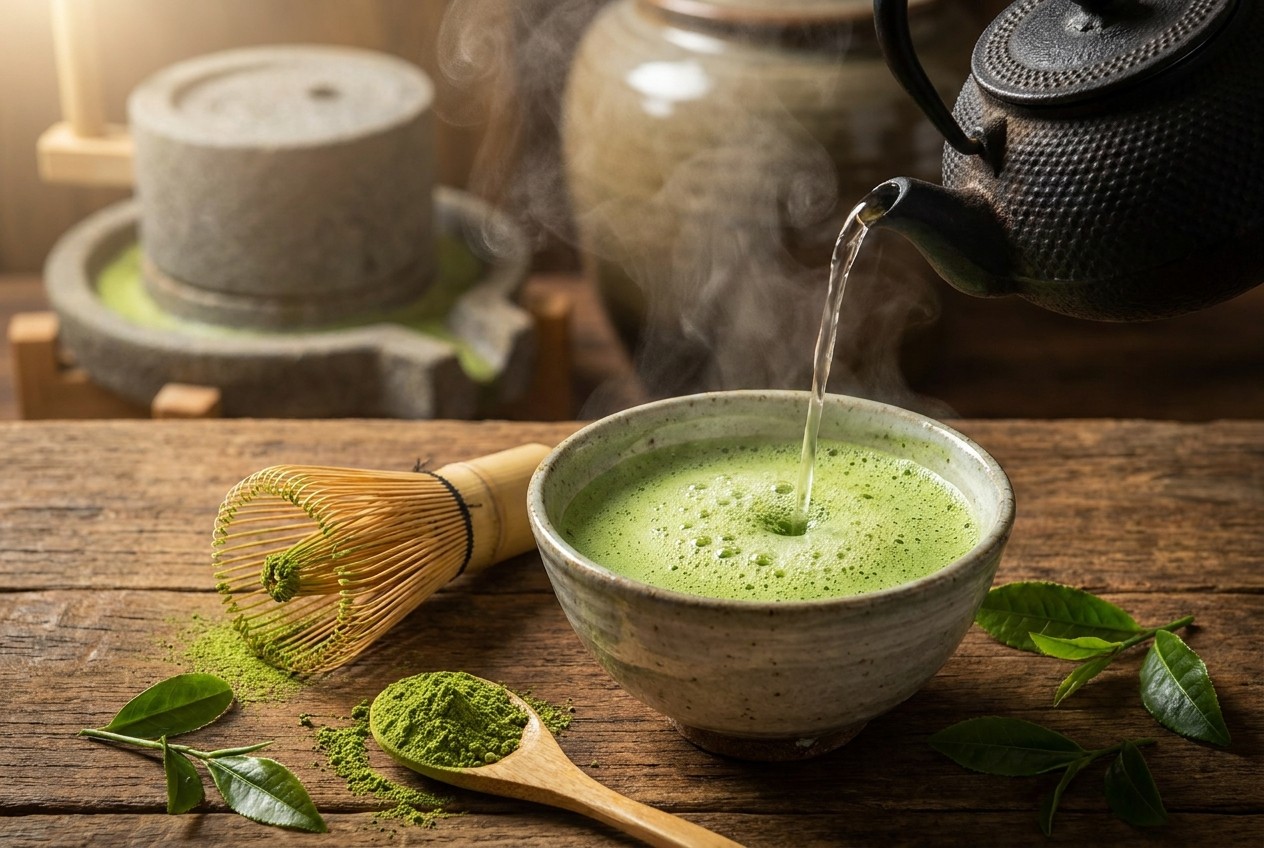
Matcha Gains Use as Coffee Alternative; Dietitians Say Quality and Preparation Matter
By Coco Somers // Share
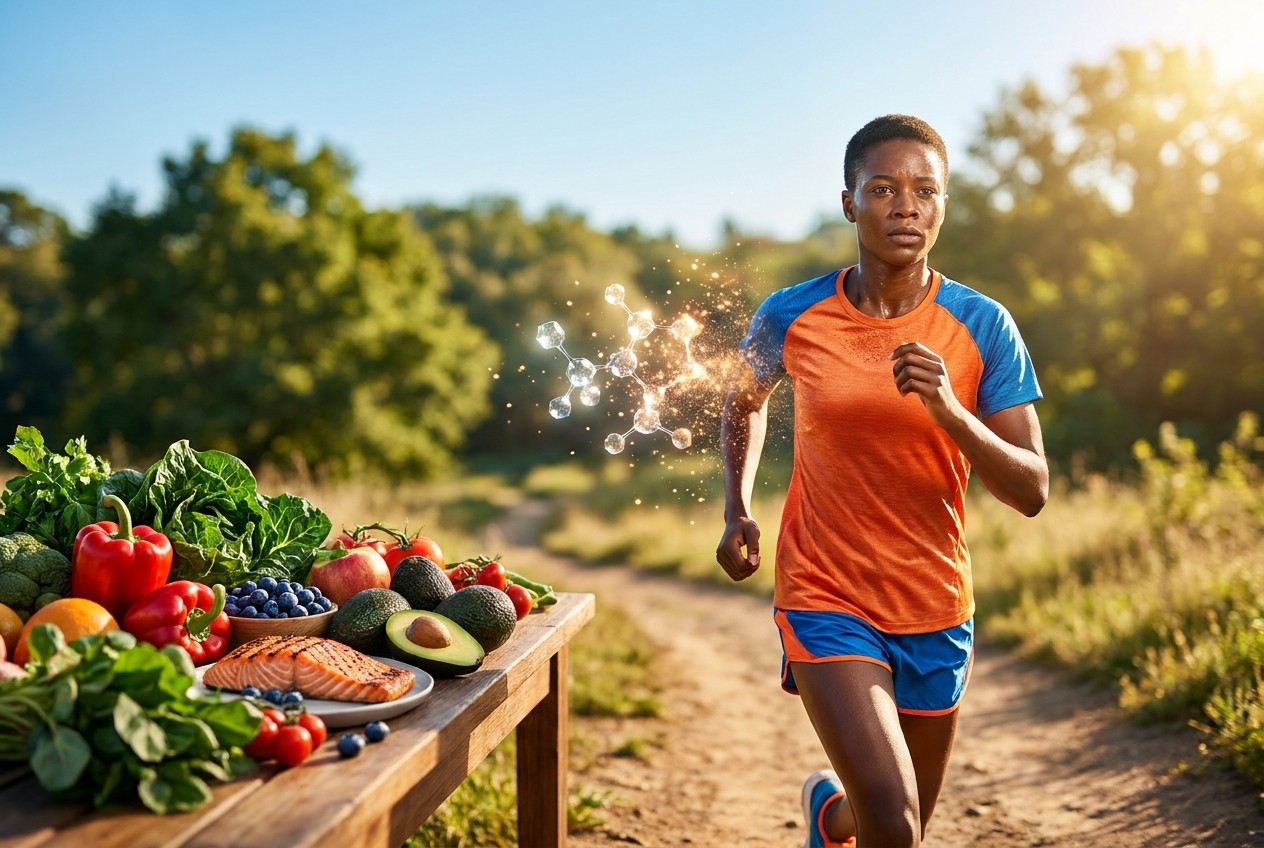
Strict Diet, Structured Exercise Can Reverse Early-Onset Type 2 Diabetes, Study Finds
By Petra Stone // Share

Study: Gas Seeps at Mars Volcano Could Provide Ingredients for Life
By Edison Reed // Share
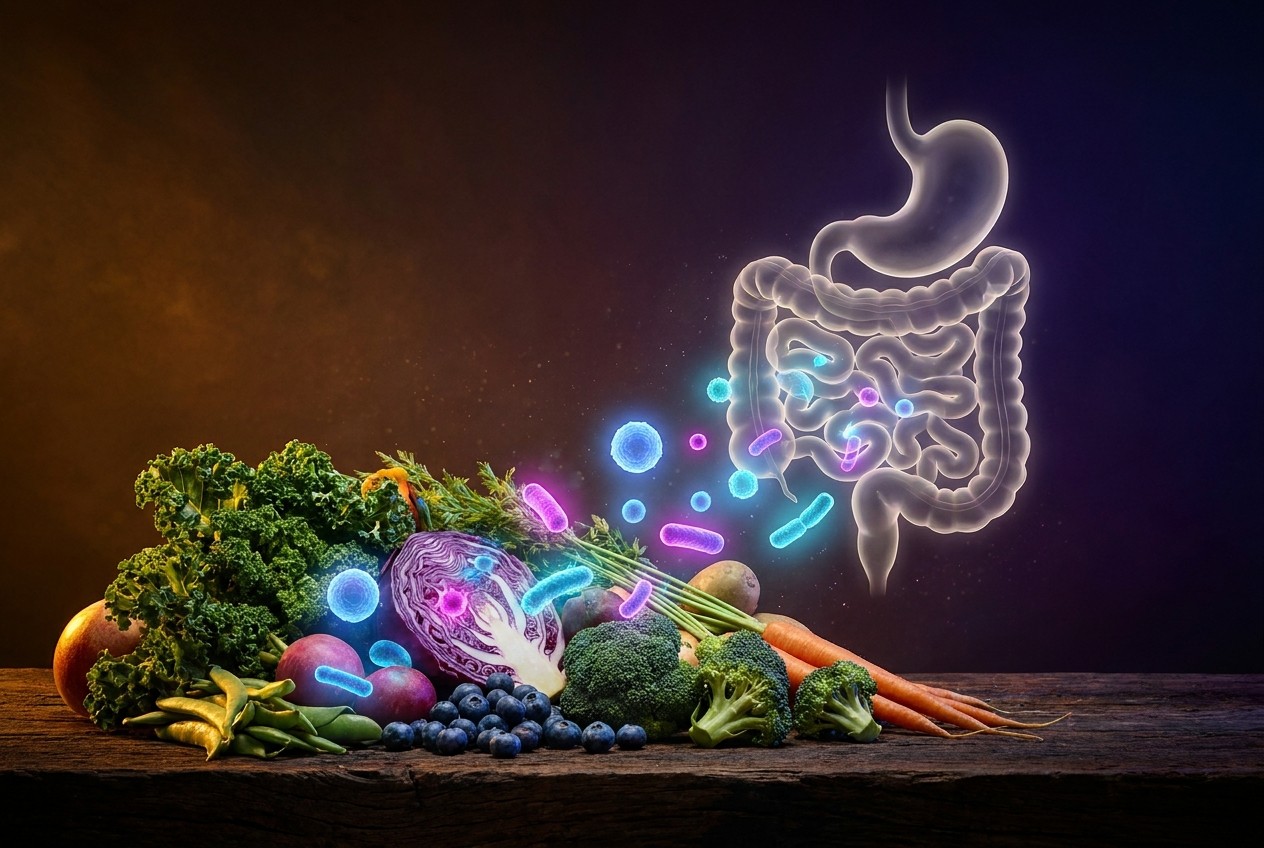
Vegan Diet Associated With Favorable Gut Microbiome
By Coco Somers // Share
Study reveals higher mortality risk for Pfizer COVID vaccine recipients
By willowt // Share
Trump Urges Congress to Pass Bill Making Daylight Saving Time Permanent
By douglasharrington // Share


US RC-135U Spy Aircraft Crosses Atlantic on Undisclosed Mission as Trump Weighs Iran Options
By garrisonvance // Share

Trump Announces Arrival of 1 Million Barrels of Venezuelan Oil in Texas
By garrisonvance // Share