Matcha Gains Use as Coffee Alternative; Dietitians Say Quality and Preparation Matter
By cocosomers // 2026-11-07
Tweet
Share
Copy
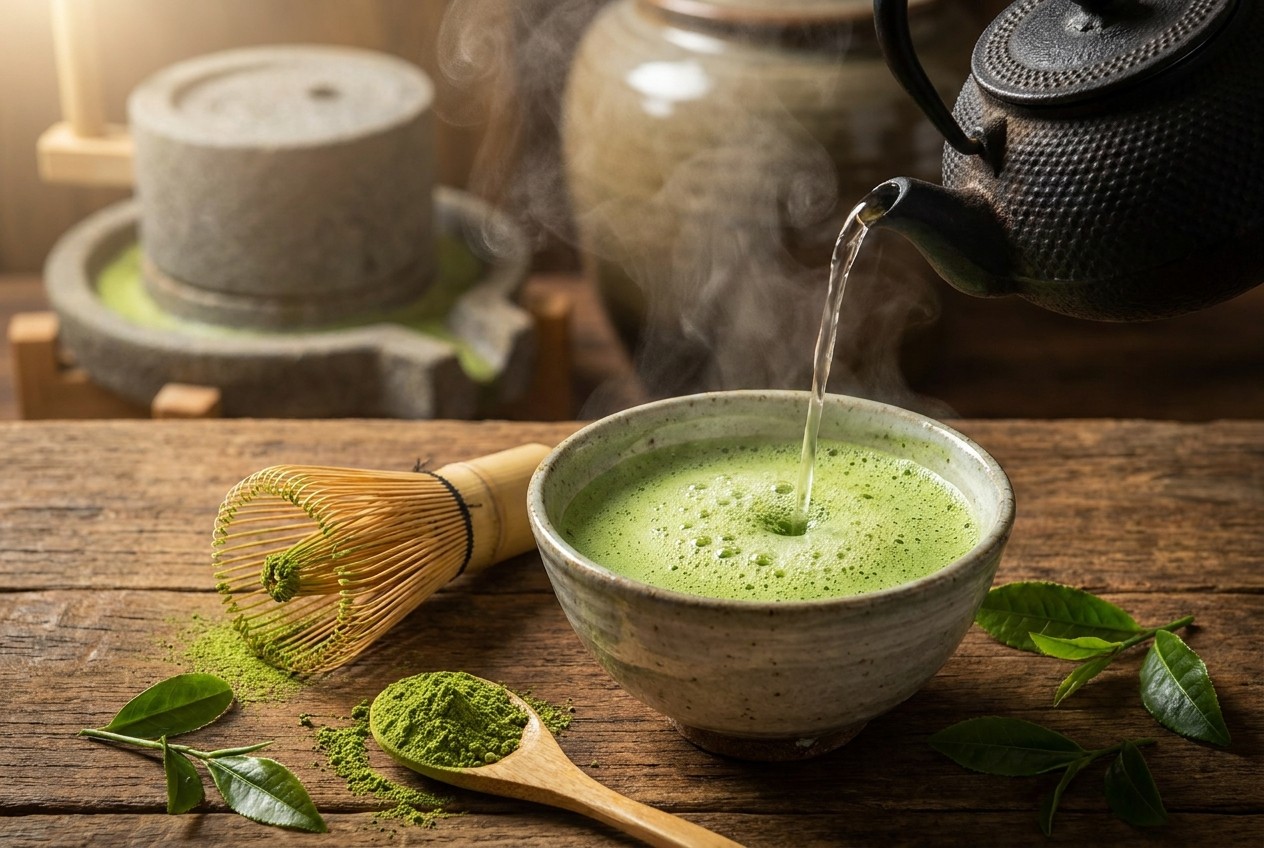
Matcha, a finely milled green tea whisked into water and consumed whole, is drawing attention as a coffee alternative, according to an article published Oct. 26, 2026, in The Epoch Times. The article stated that matcha contains caffeine, the amino acid L-theanine, and polyphenols including EGCG. Registered dietitian Asako Miyashita said whole-leaf use can provide more EGCG than steeped green tea [1]. The article reported that quality, preparation, and individual caffeine sensitivity affect the matcha experience.
Unlike steeped tea, in which leaves are infused and discarded, matcha powder is consumed in its entirety, a distinction that alters both nutrient exposure and caffeine delivery. The Epoch Times article noted that whole-leaf consumption is central to matcha's profile. The combination of caffeine and L-theanine may produce a gentler boost than coffee alone.
What Makes Matcha Different
Matcha leaves are shaded before harvest, steamed to limit oxidation, dried, stripped of stems and veins, and ground into powder. Traditional granite-stone milling produces about 40 grams of matcha per hour, a labor-intensive process the article said helps explain higher costs and contributes to matcha's distinct chemical profile. The article cited 2025 research suggesting modest benefits for certain attention tasks and mood from L-theanine combined with caffeine, while noting much evidence comes from isolated compounds rather than matcha itself. Caffeine blocks adenosine, a chemical that signals sleepiness, while L-theanine may influence brain signaling and alpha brain waves associated with relaxed attention.Quality and Sourcing
Miyashita told The Epoch Times that buying good-quality matcha is difficult, especially online, because the received product can look different from photos. Matcha's color and scent can offer clues: A dull green color may indicate declining freshness; fresh matcha should smell grassy or sometimes seaweed-like. The term ceremonial grade is not universally regulated and does not guarantee purity, flavor, freshness, or nutritional superiority. The article advised checking where the tea was grown, when it was harvested, how it was processed, and whether it was tested for contaminants including heavy metals and pesticide residues. Matcha should be stored sealed and away from heat, moisture, light, and strong smells. Packaging and storage conditions can affect matcha powder's sensitive catechins and color over time. Consumers should treat sourcing information as a primary quality signal rather than relying on grade labels alone.Caffeine Content and Sensitivity
A 2020 review cited by The Epoch Times article reported about 19 to 44 milligrams of caffeine per gram of matcha, meaning a 2-gram drink, would contain roughly 38 to 89 milligrams depending on the powder. The article stated that most healthy adults can consume up to 400 milligrams of caffeine daily from all sources, while some tolerate much less. During pregnancy, caffeine intake should remain below 200 milligrams. Miyashita recommended that people sensitive to caffeine start with a quarter or half teaspoon. The article advised people with anxiety, sleep problems, heart rhythm conditions, or medication use to check with a healthcare provider about caffeine intake. Caffeine content varies by powder, and preparation volume influences total exposure. Individual sensitivity remains a key factor in determining a suitable serving size.Preparation Methods
Miyashita recommends using water at about 160 to 170 F to prepare matcha as excessively hot water can intensify bitterness. The article described usucha, or "thin tea," as about 2 grams of matcha whisked with about 2 ounces of hot water, and koicha, or "thick tea," as about 4 grams of matcha mixed with about 1 ounce of hot water. To make matcha latte, the article advised starting with 2 grams of matcha, sifting clumps, whisking with a splash of warm water until smooth, then adding warm or cold milk. Miyashita said that powder should always be mixed with a little warm water first before adding milk. Dairy and plant milks all work, and unsweetened milk can produce a less-sweet latte. Water temperature and mixing order affect matcha's texture and flavor. Simple adjustments to preparation can reduce bitterness and produce a smoother drink.Cultural Context and Conclusion
Matcha's roots are tied to Zen Buddhism. The Buddhist monk Eisai returned from China in 1191 with tea seeds and the custom of preparing powdered tea. Japanese tea ritual master Yoshitsugu Nagano told The Epoch Times through an interpreter that traditional practice involves repeated movements and courtesies that invite attention and gratitude. Nagano said the practice is 'sort of a training ground for a real social interaction [1]. Learning tea ceremony etiquette is not required to enjoy matcha, and Nagano says it is more important to feel thankful for having matcha. The article concluded that careful selection and simple preparation can support a satisfying matcha ritual. As matcha gains use as a coffee alternative, dietitians say quality and preparation remain central to the experience.References:
- Matcha Is a Healthy Alternative to Coffee—But Quality and Preparation Matter. https://www.theepochtimes.com/health/matcha-promises-calm-focus-but-quality-and-preparation-matter-6095203
Tweet
Share
Copy
Tagged Under:
superfoods nutrition herbal medicine antioxidants nutrients natural health tea herbs food science plant medicine phytonutrients polyphenols organics caffeine food cures food is medicine matcha goodhealth goodfood L-Theanine grocery cures health science coffee alternative
You Might Also Like
Strict Diet, Structured Exercise Can Reverse Early-Onset Type 2 Diabetes, Study Finds
By Petra Stone // Share

Vegan Diet Associated With Favorable Gut Microbiome
By Coco Somers // Share

Higher Daily Step Counts Associated With Lower Dementia Risk, Study Finds
By Petra Stone // Share

Recent News
Study reveals higher mortality risk for Pfizer COVID vaccine recipients
By willowt // Share
Trump Urges Congress to Pass Bill Making Daylight Saving Time Permanent
By douglasharrington // Share


US RC-135U Spy Aircraft Crosses Atlantic on Undisclosed Mission as Trump Weighs Iran Options
By garrisonvance // Share

Trump Announces Arrival of 1 Million Barrels of Venezuelan Oil in Texas
By garrisonvance // Share