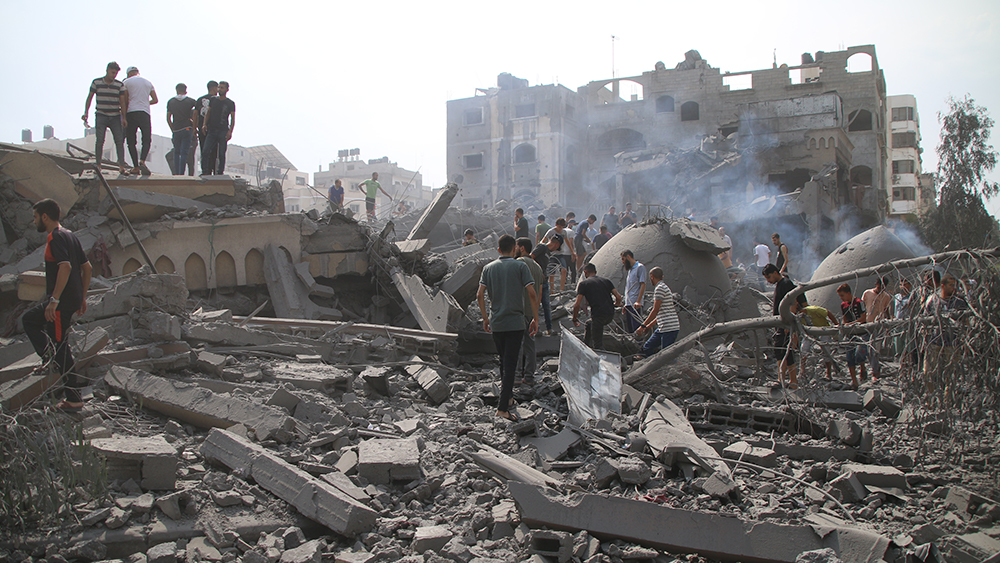
- Gaza's economy has suffered the most severe collapse ever recorded.
- Its GDP has fallen by 83 percent, erasing 69 years of progress.
- Unemployment has skyrocketed to over 80 percent, with universal poverty.
- The cost to rebuild is estimated at $70 billion, a multi-decade task.
- All schools and universities are destroyed, harming future generations.
A society without work
The human cost of this economic destruction is measured in universal joblessness and poverty. Unemployment in Gaza has skyrocketed to over 80 percent. The report confirms that "multidimensional poverty now engulfs all Gazans," with every single resident now living below the poverty line. The ability to earn a living and provide for a family has been systematically erased. The capacity for future recovery has also been targeted. The report warns that the destruction of all schools and universities in Gaza has left children out of education for more than two years. UNCTAD senior economist Mutasim Elagraa said this loss of human capital will harm society "for generations to come," representing the collapse of a quarter-century of human development.A deliberate policy of de-development
The report makes it clear that this did not happen in a vacuum. UNCTAD wrote that "decades of movement restrictions, combined with the latest military operations, had wiped out decades of progress." The agency stated, "The post-October 2023 military operations have destroyed the economic foundations of Gaza and propelled it from de-development to utter ruin." The collapse is not confined to Gaza. The wider Palestinian economy is also experiencing its most severe downturn on record. The West Bank’s GDP fell by 17 percent in 2024, driven by intensified movement restrictions, expanding settlements, and the loss of access to 60 percent of West Bank land. The Palestinian government faces its worst fiscal crisis in history. The means for self-sustenance have been critically damaged. UNCTAD confirmed that Gaza’s agricultural sector has been "severely crippled," with 86 percent of cropland damaged and 83 percent of water wells destroyed. Officials stated that only 1.5 percent of farmland remains usable, and 89 percent of water and sanitation facilities are destroyed, creating a public health catastrophe.The long road to nowhere
UN officials emphasized that no economic recovery is possible without a durable ceasefire. While a ceasefire agreed in October 2025 offers a "critical opportunity," assistance must flow immediately. "Humanitarian assistance cannot wait," said UNCTAD’s Deputy Secretary-General Pedro Manuel Moreno. He described recent improvements in aid access as "positive but slow, frustrating but moving in the right direction." The picture painted by the UN is one of a society pushed back to the economic dark ages. The statement that Gaza has lost "70 years of human development" is a chilling indictment of a conflict that has moved beyond military engagement into the realm of systemic societal destruction. For the people of Gaza, the war’s end does not mean a return to normalcy, but the beginning of a multi-generational struggle to reclaim what was lost. Sources for this article include: RT.com News.UN.org Reuters.com

3 Ukrainian saboteurs ARRESTED in Poland over hacking equipment
By Ramon Tomey // Share

Study: Fructose consumption linked to heightened immune response and increased infection risk
By Patrick Lewis // Share

“The Pfizer Papers: The Hidden War on Humanity” exposes the greatest medical betrayal of our time
By Kevin Hughes // Share
Thailand-Cambodia border conflict escalates with airstrikes, civilian casualties
By Belle Carter // Share

How Big Tech’s AI boom threatens grid stability
By Ava Grace // Share


Israel on the Brink? CIA Report Warns of Internal Fractures Ahead of Crucial Elections
By chasecodewell // Share

Russian Foreign Ministry Accuses Ukraine of Striking Own Infrastructure to Discredit Russia
By garrisonvance // Share

Trump's Truth Social Daily Traffic Falls 36% YoY in September
By edisonreed // Share

Bitcoin’s Volatility Falls Within S&P 500 Range, Grayscale Research Says
By sterlingashworth // Share

Silent Inflammation Can Damage Tissues; Five Lifestyle Habits May Help, Expert Says
By cocosomers // Share