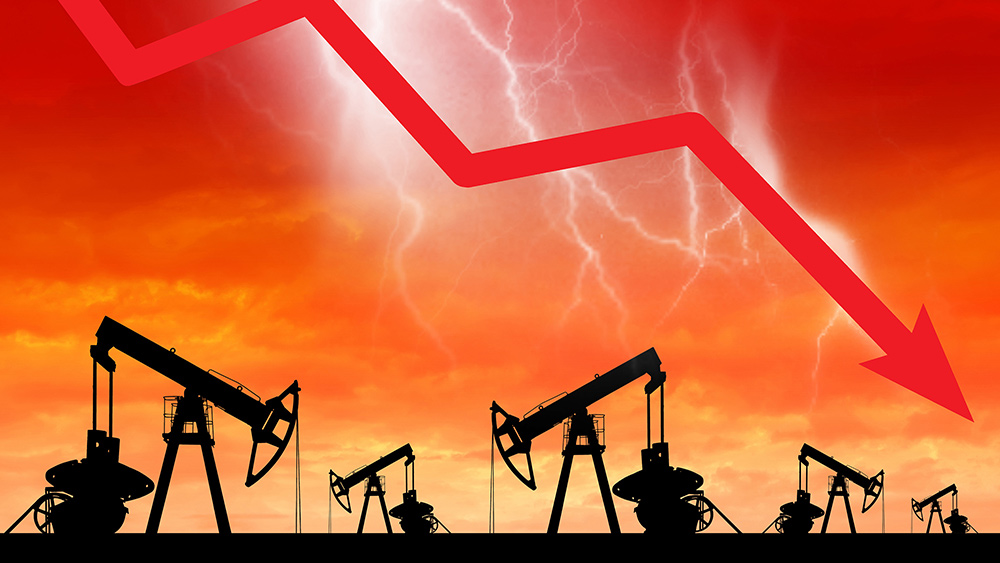
- The world's largest crude exporter, the Kingdom of Saudi Arabia, is expected to slash January oil prices for Asian buyers to their lowest premium in five years, reflecting weakening demand and oversupply concerns.
- Saudi Aramco may reduce its Arab Light crude price by $0.30 to $0.40 per barrel, dropping the premium to just $0.60 to $0.70 above the Oman/Dubai benchmark—the lowest since January 2021.
- OPEC+ has raised output targets by 2.9 million barrels per day since April, led by Saudi Arabia, contributing to softer demand and falling spot premiums.
- The cuts precede an OPEC+ meeting where producers may maintain paused production hikes. Lower prices could boost demand from China's independent refiners, while influencing Gulf producers like Iran, Kuwait and Iraq.
- Saudi Arabia's pricing move highlights the challenge of maintaining market share amid global economic uncertainty, geopolitical tensions (like the Russia-Ukraine war) and fluctuating demand—with potential ripple effects across Asian markets.
Market pressures drive price cuts
Saudi Aramco, the kingdom's state-owned oil giant, is likely to reduce the official selling price (OSP) of its flagship Arab Light crude by $0.30 to $0.40 per barrel, bringing it to a premium of just $0.60 to $0.70 above the Oman/Dubai benchmark—the lowest since January 2021. This follows a similar reduction in December, when Aramco lowered prices from a $2.20 premium in October and November to just $1.00. The anticipated price adjustment aligns with broader market trends, including falling spot premiums for Middle East crude. The cash Dubai premium to swaps has declined by about $0.30 per barrel in November compared to October, reflecting softer demand and increased supply. Analysts note that OPEC+'s decision to raise output targets by 2.9 million barrels per day since April—with Saudi Arabia leading the increases—has contributed to market saturation.Geopolitical and economic implications
Unexpected factors, such as Kuwait Petroleum Corp's recent spot-market release of 3.9 million barrels of heavy crude following refinery outages, have added further downward pressure on prices. For China, the world's largest oil importer, lower Saudi prices could boost demand among independent refiners, who recently received their first batch of 2026 import quotas. Historically, Saudi pricing decisions influence other Gulf producers, including Iran, Kuwait and Iraq, affecting roughly nine million barrels per day (bpd) of crude exports to Asia. Saudi Arabia's looming price cuts underscore the delicate balance between maintaining market share and responding to shifting global demand. As OPEC+ navigates economic headwinds and geopolitical tensions—including the fallout from the Russia-Ukraine war—Riyadh's pricing strategy will be closely watched by traders and policymakers alike. The move could either stabilize Asian markets or signal deeper concerns about the global economy's trajectory. Watch the video below about OPEC+ celebrating a strong relationship with Russia. This video is from Cynthia's Pursuit of Truth channel on Brighteon.com.Sources include:
OilPrice.com Reuters.com BrightU.ai Brighteon.com
Fed accelerates treasury purchases as Trump eyes unconventional debt strategy
By Finn Heartley // Share
Trump threatens “severe” Canadian fertilizer tariffs as farm relief plan takes shape
By Belle Carter // Share

Supreme Court to decide fate of vaccine religious exemptions
By Finn Heartley // Share

AI won’t cure disease but gold, silver & nature’s medicine can secure your future
By Finn Heartley // Share
Silicon Valley and Trump unite? CEOs cheer “one rule” plan to override states
By Willow Tohi // Share

Trump threatens to increase tariffs on Mexico over unpaid water debt
By Willow Tohi // Share

Israel on the Brink? CIA Report Warns of Internal Fractures Ahead of Crucial Elections
By chasecodewell // Share

Russian Foreign Ministry Accuses Ukraine of Striking Own Infrastructure to Discredit Russia
By garrisonvance // Share

Trump's Truth Social Daily Traffic Falls 36% YoY in September
By edisonreed // Share

Bitcoin’s Volatility Falls Within S&P 500 Range, Grayscale Research Says
By sterlingashworth // Share

Silent Inflammation Can Damage Tissues; Five Lifestyle Habits May Help, Expert Says
By cocosomers // Share