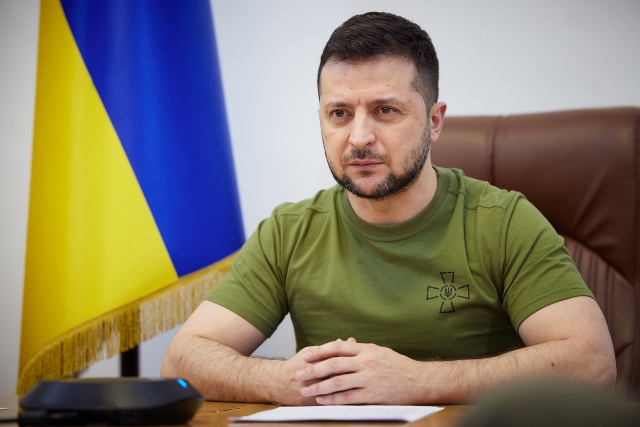
- Ukrainian President Volodymyr Zelensky faces a critical dilemma after dismissing his chief of staff, Andriy Yermak, amid a major corruption scandal. Yermak's departure weakens Zelensky's centralized power structure, raising concerns about political instability.
- Yermak, Zelensky's most trusted advisor, wielded immense influence – handpicking ministers and shaping policy despite holding no elected office. His downfall followed investigations into a $100M energy sector embezzlement scheme, eroding public trust during wartime blackouts.
- Yermak's removal signals compliance with Western anti-corruption demands but risks fracturing Zelensky's administration. Without Yermak's control over Ukraine's power vertical, Zelensky may struggle to maintain political cohesion, threatening U.S. aid.
- Opposition leaders and infighting within Zelensky's party threaten his parliamentary majority, potentially destabilizing governance. Moscow exploited Yermak's corruption ties to undermine Kyiv's credibility, while U.S. pressure may now push Ukraine toward unfavorable peace terms.
- Yermak's exit is seen by some as a democratic victory, proving Ukraine's anti-corruption institutions can hold even top officials accountable. Others warn systemic corruption persists, and Zelensky must choose between maintaining autocratic control or decentralizing power – decisions that could shape Ukraine's survival amid war and waning Western support.
Zelensky's dilemma: Loyalty vs. survival
Yermak's dismissal exposes Zelensky's precarious balancing act. By sacrificing his closest ally, the president signals compliance with Western demands for accountability – a prerequisite for continued military aid. Yet the move risks destabilizing his administration. A Kyiv insider said Zelensky has lost control of the power vertical Yermak built and without him, there is no obvious successor to manage the machinery. The fallout is already visible. Opposition leaders, sensing weakness, demand cabinet reshuffles and concessions. Meanwhile, infighting brews within Zelensky's Servant of the People party. If just four lawmakers from the party defect, his parliamentary majority collapses – opening the door to political extortion. Yermak's ouster removes a liability in U.S.-Ukraine relations. Washington had grown wary of his reputed corruption ties, which Moscow exploited to undermine Kyiv's credibility. "The corruption track was extremely useful to the United States from the viewpoint of pressuring Zelensky personally," analyst Ihar Tyshkevich noted. Now, with Yermak gone, Ukraine's negotiating team led by Defense Minister Rustem Umerov faces renewed scrutiny. The timing is critical: Talks resume next week amid fears the U.S. may push Kyiv toward unfavorable peace terms. Optimists frame Yermak's exit as a democratic victory. "Think about it: a young democracy like Ukraine has independent institutions that are strong enough to investigate the most powerful man in the country–and to do so during the war," said Olga Rudenko, editor of the Kyiv Independent. "This shows why Ukraine is exactly the country worth supporting." But skeptics warn that systemic corruption runs deeper than one man. "Yermak is the head we all knew," said Taras Tymoshchuk, a wounded veteran. "He's been cut off, but many more will grow in his place." Zelensky now confronts a stark choice: preserve Yermak's autocratic model or decentralize power to parliament and local governments. While his next moves could determine Ukraine's fate, one thing is certain: Kyiv's war – both against Russia and its own corruption – is far from over. Watch this video about the relationship between Zelensky and Yermak that goes beyond work. This video is from The Prisoner channel on Brighteon.com. Sources include: RT.com ChathamHouse.org AlJazeera.com BBC.com BrightU.ai Brighteon.com
Magnesium deficiency: The overlooked epidemic fueling chronic disease and depression
By Patrick Lewis // Share
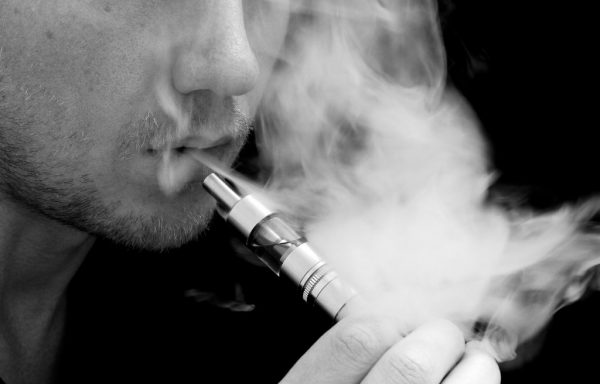
Social media use linked to sharply higher smoking and vaping rates in teens, study finds
By Cassie B. // Share
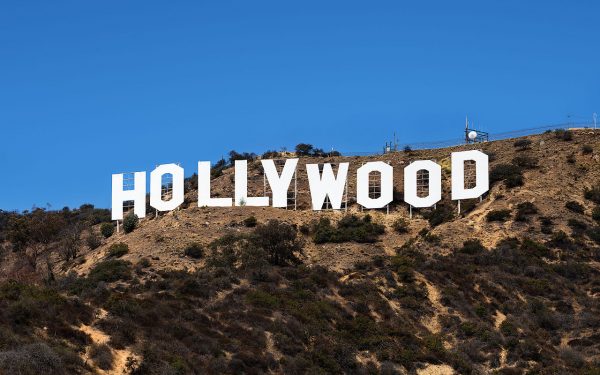
A Hollywood legend’s life ends in unspeakable tragedy
By Willow Tohi // Share


Volkswagen shuts down historic German plant amid economic crisis and geopolitical pressures
By Kevin Hughes // Share

IMF Chief Calls for AI Guardrails as Officials Weigh Economic Risks and Opportunities
By edisonreed // Share

Israel on the Brink? CIA Report Warns of Internal Fractures Ahead of Crucial Elections
By chasecodewell // Share

Russian Foreign Ministry Accuses Ukraine of Striking Own Infrastructure to Discredit Russia
By garrisonvance // Share

Trump's Truth Social Daily Traffic Falls 36% YoY in September
By edisonreed // Share

Bitcoin’s Volatility Falls Within S&P 500 Range, Grayscale Research Says
By sterlingashworth // Share