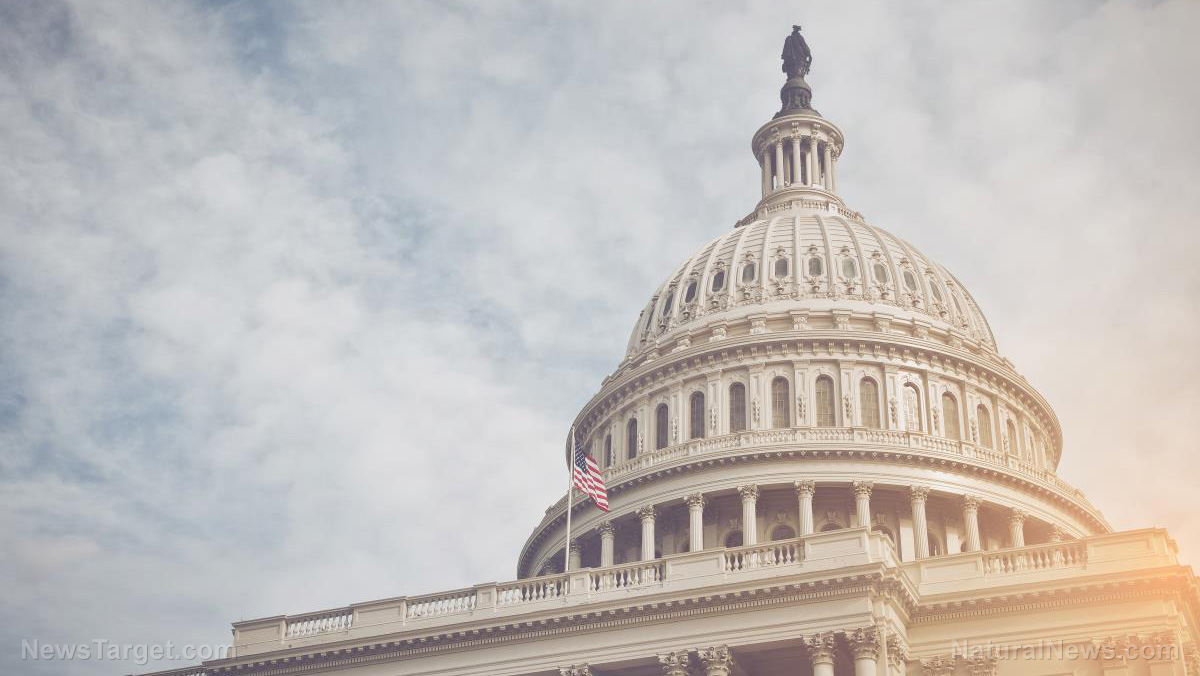
Report: At least 20 oil tankers linked to Iran, Russia and Venezuela operating in Caribbean
By avagrace // 2025-12-16
Tweet
Share
Copy
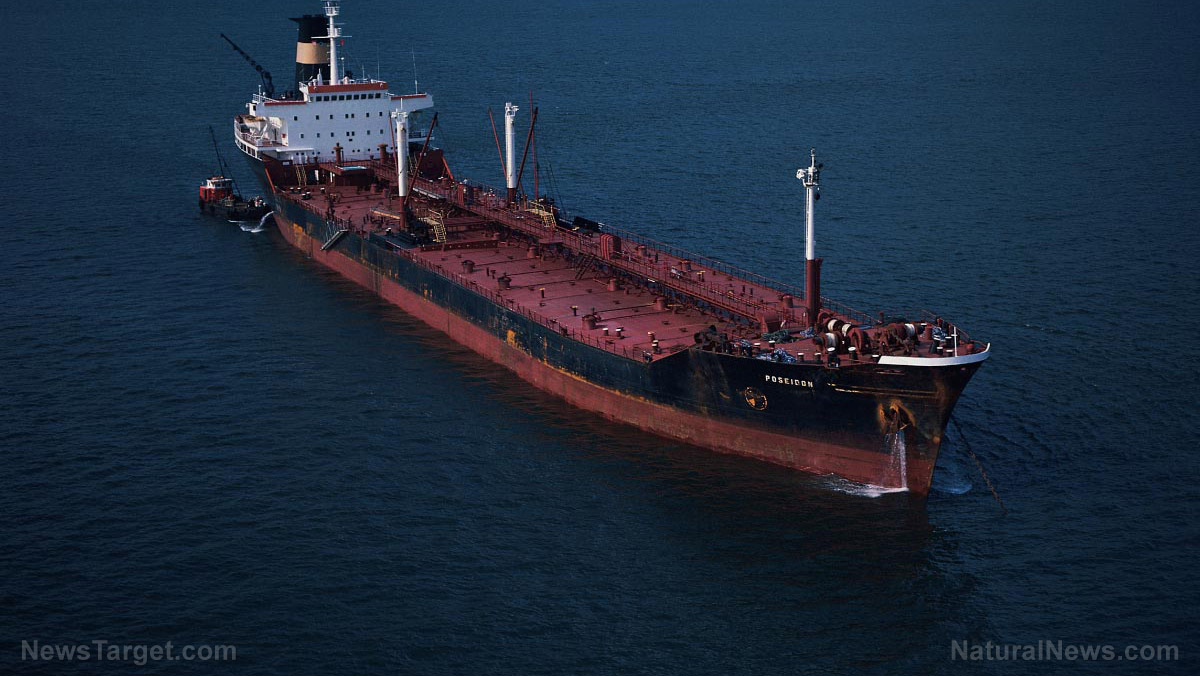
- A clandestine "shadow fleet" of at least 20 oil tankers linked to Iran, Russia and Venezuela is operating in the Caribbean, generating billions in sanctions-busting revenue for these regimes near U.S. shores.
- The U.S. recently seized the sanctioned tanker Skipper off Venezuela in a high-stakes military raid, marking a significant escalation in enforcement against this illicit network.
- The Venezuelan government condemned the seizure as "international piracy," accusing the U.S. of aiming to control its natural resources.
- The U.S. is bolstering its military presence in the region, including deploying the USS Gerald Ford aircraft carrier, and has threatened to expand strikes against drug-smuggling operations into Venezuela itself.
- Analysts warn that the combination of clandestine shipments, increased U.S. military activity and aggressive rhetoric raises the risk of a miscalculation or direct confrontation that could draw the U.S. into a broader conflict.
The shadow fleet emerges
A bombshell investigation has exposed a network of at least 20 illicit tankers lurking in Caribbean waters. This so-called "shadow fleet" serves as a financial lifeline for the regimes in Iran, Russia and Venezuela. Of these, 11 ships are directly tied to Iran's oil trade, with the remainder linked to Russian and Venezuelan operations. These vessels form a highly coordinated, clandestine network designed to evade international sanctions. By transporting oil for these sanctioned nations, the fleet generates billions in revenue that sustains hostile governments. Analysts warn this money is a primary funding source for Iran's nuclear program, its ballistic missile development and its global terrorist activities.The Skipper: A case study in illicit trade
The scale of this operation was thrust into the spotlight last week with the dramatic U.S. seizure of the tanker Skipper off the coast of Venezuela. The high-stakes raid involved helicopters fast-roping armed agents onto the deck. The Skipper had been under U.S. sanctions since 2022 for its role in an oil-smuggling network supporting terrorist organizations. While Iranian-linked tankers are more commonly tracked in the Middle East and Asia, the Skipper's interception in the Western Hemisphere signals a dangerous expansion. The fleet’s presence in the Caribbean represents a deliberate diversification, bringing the illicit alliance between Tehran, Moscow and Caracas to America's doorstep.Billions in sanction-busting revenue
The seizure is believed to be just the tip of the iceberg. Reports indicate that the additional dark fleet vessels identified in the Caribbean have a history of carrying over 29 million barrels of Iranian crude. This illicit trade has generated an estimated $1.8 billion for the Iranian regime, revenue that directly fuels activities threatening U.S. interests. The Trump administration has framed the seizure as a critical blow against terrorist financing. The operation, involving the FBI, Homeland Security, the Coast Guard and military support, marks the first seizure of a Venezuelan oil cargo since 2019 and suggests a more aggressive enforcement posture.Venezuela cries piracy
The Venezuelan government condemned the seizure as an "act of international piracy" and a "shameless robbery," asserting that it exposes the true U.S. motive: control of Venezuela's vast natural resources. Watchdog groups have provided U.S. authorities with a comprehensive list of the shadow fleet vessels, creating a clear roadmap for potential future interdictions. With the administration signaling its readiness to conduct similar missions, a broader campaign against this ghost armada appears imminent. This maritime confrontation occurs alongside a significant U.S. military buildup in the region. The advanced aircraft carrier USS Gerald Ford, from which helicopters launched for the Skipper raid, has been deployed to the Caribbean. Furthermore, President Trump has openly threatened to expand a campaign of strikes against alleged drug-smuggling boats to land-based targets within Venezuela itself.Historical context of a sanctions war
The current crisis is rooted in years of escalating economic pressure. The U.S. has imposed crippling sanctions on all three nations in an effort to force political change. The shadow fleet is the illicit creation of this pressure, a testament to how sanctioned states innovate and collaborate to survive. Analysts fear the volatile mix of clandestine oil shipments, increased U.S. military activity and bellicose rhetoric raises the risk of a miscalculation or direct confrontation. Intercepting vessels on the high seas is an inherently risky maneuver. Any incident that causes casualties could quickly draw the U.S. into a broader conflict. "A sanctioned tanker is a tanker—a ship designed to transport liquids in bulk—that is subject to official economic or legal penalties," said BrightU.AI's Enoch. "These sanctions are typically imposed by a country or international body to restrict the tanker's operations, such as banning it from ports or prohibiting financial transactions. The sanctions are often levied against vessels involved in trading with prohibited nations or entities." The ghost armada in the Caribbean is more than a sanctions-evasion scheme; it is a floating symbol of a burgeoning anti-U.S. alliance and a direct challenge to American economic statecraft. The seizure of the Skipper may mark the opening salvo in a wider campaign. The coming weeks will test whether this aggressive interdiction strategy can cripple the illicit network or if it will inflame tensions and draw the United States deeper into a complex, multi-front conflict far from its shores. Venezuela is anticipating an attack from the United States. Watch this video. This video is from Cynthia's Pursuit of Truth channel on Brighteon.com. Sources include: DailyMail.co.uk The-Express.com CBSNews.com BrightU.ai Brighteon.comTweet
Share
Copy
Tagged Under:
Russia Iran United States Venezuela national security sanctions big government deception alliance dangerous WWIII Carribean shadow fleet USS Gerald Ford international piracy paraiah states clandestine network
You Might Also Like



Study finds MICROPLASTICS deep inside human bones, warns of osteoporosis risk
By Ava Grace // Share

Study: Heavy screen time linked to ADHD symptoms and brain changes in kids
By Ava Grace // Share
Recent News
Iraq Detains Ukrainian Nationals Suspected in Plot Against Gulf Oil Facilities
By garrisonvance // Share
U.S. Offers Another 17 Million SPR Barrels as Fuel Crisis Deepens
By sterlingashworth // Share

U.S. Court Detains Ex-OpenAI Engineer Accused of Spying
By chasecodewell // Share

Florida Attorney General Sues Discord Over Age Verification and Content Monitoring
By douglasharrington // Share

IMF Chief Calls for AI Guardrails as Officials Weigh Economic Risks and Opportunities
By edisonreed // Share