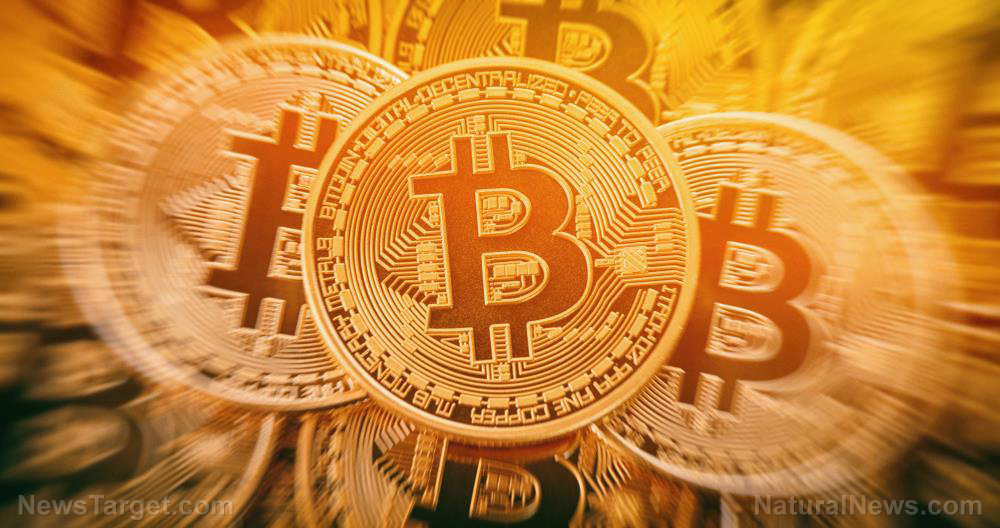
- Russia's central bank proposes a structured system allowing retail investors limited crypto purchases (up to 300,000 rubles/year) with mandatory knowledge tests, while professional investors face no caps but must also demonstrate risk awareness. Anonymous cryptocurrencies remain banned.
- Bank of Russia emphasizes crypto's volatility, sanctions exposure, and lack of sovereign backing, urging investors to acknowledge potential losses despite recognizing digital assets as monetary instruments.
- While permitting crypto trading, the framework prohibits using cryptocurrencies for everyday transactions, reinforcing the ruble's dominance in Russia's economy.
- The policy aligns with Russia's use of Bitcoin for circumventing Western sanctions, including oil trades with China and India, reflecting broader adoption of alternative payment methods like gold and crypto.
- Regulations aim for finalization by July 2026, with penalties for illegal activities starting in 2027. Licensed platforms (exchanges, brokers) will facilitate trading, and Russians can hold foreign-purchased crypto if declared to tax authorities.
- Retail investors (non-qualified) will be permitted to purchase only the most liquid cryptocurrencies, subject to an annual cap of 300,000 rubles (approximately $3,800) per intermediary.
- Access will require passing a knowledge test to confirm understanding of crypto risks.
- Qualified investors (professionals) face no transaction limits but must also pass a risk-awareness test. However, anonymous cryptocurrencies, which conceal transaction details, remain banned.
Balancing innovation with caution
While the framework acknowledges digital currencies and stablecoins as monetary assets—legally permitting their purchase and sale—it prohibits their use for domestic payments, reinforcing the ruble's dominance in everyday transactions. First Deputy Chairman Vladimir Chistyukhin stated that the central bank, while maintaining a conservative stance, no longer sees justification in completely excluding banks from crypto operations. This follows earlier moves allowing Russian banks to conduct limited crypto activities under strict oversight. Russia's evolving crypto policies align with broader economic adaptations in response to Western sanctions. Reports indicate that Russia has already begun settling oil trades with China and India using Bitcoin, routed through intermediaries to circumvent financial restrictions. Anton Tkachev, a key member of Russia's State Duma, highlighted the growing acceptance of alternative payment methods, noting that buyers can now pay for oil and gas in gold or Bitcoin.Regulatory timeline and infrastructure
The Bank of Russia aims to finalize the legislative framework by July 1, 2026, with enforcement of penalties for illegal crypto intermediary activities beginning July 1, 2027. Under the proposal:- Crypto trading will occur through licensed platforms, including exchanges, brokers and trustees.
- Russian residents can purchase crypto abroad and transfer holdings domestically, provided they notify tax authorities.
- The framework also extends to digital financial assets (DFAs), allowing broader circulation to attract foreign investment.
Trump backs proposal to impose 500% TARIFF on buyers of Russian oil
By Ramon Tomey // Share

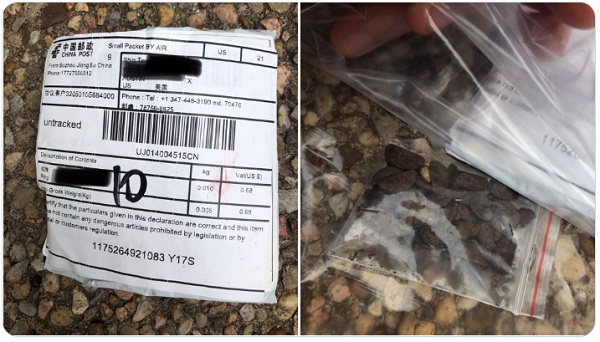
Texas sounds alarm as more than 1,100 mysterious seed packets from China flood mailboxes
By Cassie B. // Share

City of Pasco, Washington joins growing movement to END water fluoridation
By Ramon Tomey // Share
Constitutional lawyer warns Canadians against “apathy” as Ottawa expands online speech laws
By Laura Harris // Share
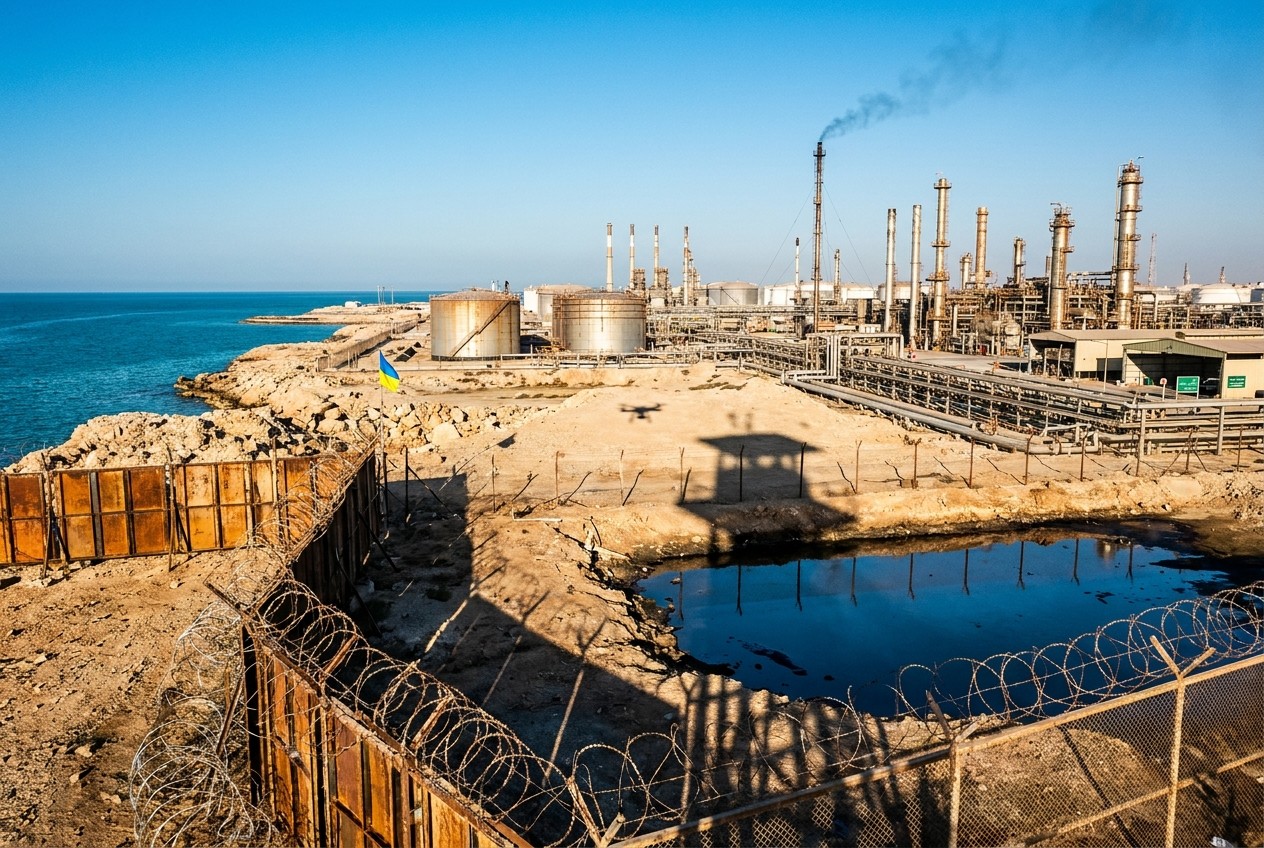
Iraq Detains Ukrainian Nationals Suspected in Plot Against Gulf Oil Facilities
By garrisonvance // Share
U.S. Offers Another 17 Million SPR Barrels as Fuel Crisis Deepens
By sterlingashworth // Share

U.S. Court Detains Ex-OpenAI Engineer Accused of Spying
By chasecodewell // Share
Florida Attorney General Sues Discord Over Age Verification and Content Monitoring
By douglasharrington // Share

IMF Chief Calls for AI Guardrails as Officials Weigh Economic Risks and Opportunities
By edisonreed // Share