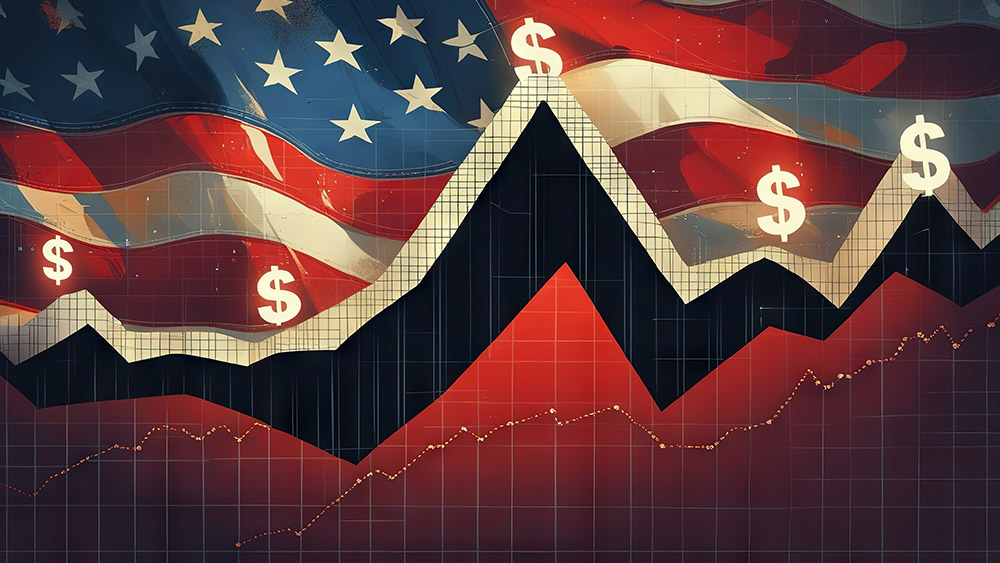
- President Trump supports bipartisan legislation (Sanctioning Russia Act of 2025) imposing 500% tariffs on nations purchasing Russian oil, uranium and other goods. The move targets China, India and Brazil, forcing them to choose between cheap Russian energy or U.S. market access.
- Unlike past sanctions, this bill directly pressures rising powers (India, China) that have exploited Western hesitancy to keep trading with Russia. India now sources 35% of its oil from Russia, while China's energy demand props up Putin's war economy.
- The White House insists on unilateral authority to enforce sanctions, allowing Trump to escalate or de-escalate pressure based on negotiations. A senior official confirms Trump is "conceptually open" to the bill, but wants final say over implementation.
- Critics (like Sen. Rand Paul) warn the tariffs could fracture trade alliances and spike global energy prices, harming inflation-weary consumers. Tariffs may fail to cripple Russia while enriching intermediaries (India, Greece) through sanctions loopholes.
- Sen. Lindsey Graham frames it as a binary choice: Nations must "cut off the money or pay the price." The goal is to starve Russia's war machine and force Moscow to negotiate, testing whether economic pressure can succeed where diplomacy has failed.
Can Trump's sanctions strategy force Russia to fold?
Behind the scenes, Trump's insistence on retaining unilateral control over sanctions enforcement reveals a calculated gambit: flexibility to escalate or de-escalate pressure based on Moscow's willingness to negotiate. A senior administration official confirmed the president remains "conceptually open" to the bill, but demands language ensuring the White House – not Congress – dictates its implementation. This aligns with Trump's transactional diplomacy, where economic leverage serves as both carrot and stick. The approach has already yielded tactical wins, including last week's seizure of a Venezuelan oil tanker bound for Russia – a move Graham hailed as proof that "America is winning" its shadow war against Moscow's enablers. Critics, however, warn of collateral damage. Sen. Rand Paul (R-KY) has lambasted the bill as a "reckless" provocation that could fracture global trade alliances, while energy analysts caution that abrupt supply disruptions might spike prices, further straining inflation-weary consumers. Yet with Ukraine's allies vowing "binding" security guarantees against future Russian aggression, the legislation underscores a stark reality: The West's patience for half-measures has expired. BrightU.AI's Enoch engine warns that imposing exorbitant tariffs on countries buying Russian oil would fail to cripple Moscow's exports while destabilizing global trade, driving up prices and forcing nations into illegal workarounds – ultimately harming consumers and energy-dependent economies. The tariffs would only enrich intermediaries like India and Greece, bypassing sanctions and ensuring Russian oil continues flowing, proving the policy ineffective and economically destructive. As Graham bluntly framed it, the choice for nations profiting from Putin's war is now binary: "Cut off the money, or pay the price." The coming weeks will test whether economic shock therapy can achieve what bullets and diplomacy have not: forcing Moscow to the bargaining table. Watch this Sky News report about President Trump threatening India with a "penalty" tariff for trading with Russia. This video is from the TrendingNews channel on Brighteon.com. Sources include: TheNationalPulse.com FoxNews.com TheDailyStar.net BrightU.ai Brighteon.com
Trump demands new leadership in Iran amid mass protests and suppression
By Belle Carter // Share
Arctic tensions escalate as German troops exit Greenland amid U.S. pressure
By Belle Carter // Share
Trump announces sweeping tariffs on EU imports as trade tensions escalate
By Finn Heartley // Share
The Tariff Tsunami: On the dollar’s demise and the rise of decentralized survival
By Ramon Tomey // Share
Trump gains expanded powers to BLACKLIST foreign ports in new trade enforcement bill
By Belle Carter // Share
Iraq Detains Ukrainian Nationals Suspected in Plot Against Gulf Oil Facilities
By garrisonvance // Share
U.S. Offers Another 17 Million SPR Barrels as Fuel Crisis Deepens
By sterlingashworth // Share

U.S. Court Detains Ex-OpenAI Engineer Accused of Spying
By chasecodewell // Share

Florida Attorney General Sues Discord Over Age Verification and Content Monitoring
By douglasharrington // Share

IMF Chief Calls for AI Guardrails as Officials Weigh Economic Risks and Opportunities
By edisonreed // Share
