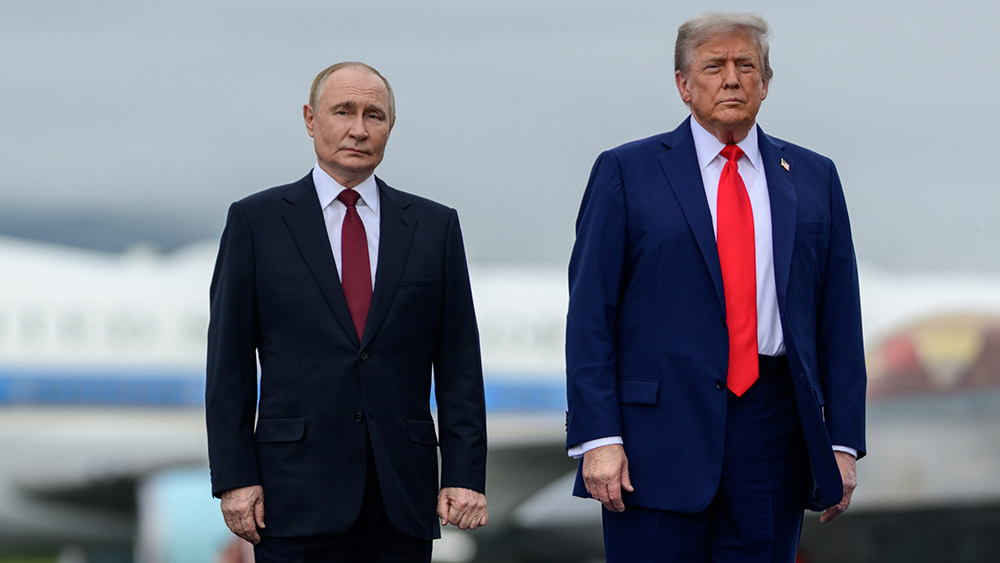
- The Kremlin dismissed Trump's 20-point proposal, calling it a threat to regional stability and accusing it of prolonging militarization. Moscow opposes NATO-aligned peacekeeping forces in Ukraine, viewing them as an existential threat.
- Ukraine's president cautioned that Russia is preparing intensified strikes on energy infrastructure to exploit winter conditions, undermining morale and weakening defenses. He reiterated that any peace deal recognizing the occupied territories violates international law.
- The U.S.-backed plan, negotiated by Trump's envoys, included military aid, sanctions enforcement and a multinational security force—all rejected by Russia. Kyiv remains unwilling to concede territory or NATO aspirations, fearing further Russian aggression.
- The conflict has become a Cold War-style standoff, with Russia resisting Western influence and Ukraine relying on NATO support. Analysts compare proposed peacekeeping efforts to past interventions like Kosovo, which Moscow opposes.
- With diplomacy failing and military pressures mounting, the war enters a dangerous phase. The coming months could determine whether negotiations resume or the conflict escalates further, with global stability at stake.
Russia's rejection: A "true axis of war"
Russia's Ministry of Foreign Affairs condemned Trump's framework, particularly its provision for a European-led peacekeeping force, as a continuation of militarization rather than a path to peace. "The declaration is not aimed at achieving a lasting peace and security but rather at continuing the militarization, escalation and further conflict aggravation," the ministry stated. Moscow views any NATO-aligned troop presence in Ukraine as an existential threat, vowing to treat such forces as legitimate military targets. The plan, negotiated by Trump's envoys Jared Kushner and Steve Witkoff, included long-term military aid, sanctions enforcement and a multinational security force—measures Russia dismissed as locking in Western dominance. The Kremlin also rejected the Prioritized Ukraine Requirements List (PURL), a U.S.-backed initiative allowing European allies to supply Ukraine with American weapons. "The new militarist declarations… are forming a true axis of war," the ministry declared.Zelensky's warning: Winter as Russia's weapon
As diplomacy faltered, Zelensky cautioned Ukrainians to prepare for intensified strikes, accusing Moscow of leveraging winter conditions to weaken morale and infrastructure. "Russia is betting more on winter than on diplomacy—on ballistic missiles against our energy system rather than on working with the United States," he posted on X. His warning followed meetings in Paris with British and French leaders, who pledged support for a potential peacekeeping mission—a move Russia called provocative. The Ukrainian leader faces mounting pressure: military exhaustion, economic strain and Western demands for concessions. Yet Kyiv remains adamant that ceding territory or abandoning NATO aspirations would embolden further Russian aggression. "Any agreement recognizing occupied lands violates international law," Zelensky reiterated.Historical context: A stalemate with global stakes
The conflict, now nearing its fourth year, has evolved into a proxy war testing NATO's resolve and Russia's endurance. Analysts note parallels to Cold War brinkmanship, with Moscow framing the fight as a struggle against Western encroachment. The proposed peacekeeping force echoes past interventions like Kosovo, where NATO troops stabilized postwar regions—a model Russia fiercely opposes. Meanwhile, Trump's plan faces skepticism from both sides. Ukraine fears it legitimizes Russian gains, while Moscow dismisses it as a Trojan horse for NATO expansion. The deadlock leaves civilians vulnerable, with winter expected to amplify humanitarian crises. With Russia's rejection of Trump's proposal and Zelensky's alerts of looming attacks, the war enters a perilous phase. Diplomatic solutions remain elusive as military and economic pressures mount. The coming months may determine whether negotiations resume or the conflict escalates further—with global repercussions hinging on the West's next moves and Ukraine's resilience. Watch the video below, where Trump and Zelensky discuss the peace plan during the former's Mar-a-Lago visit late in 2025. This video is from the NewsClips channel on Brighteon.com.Sources include:
YourNews.com NYPost.com X.com BrightU.ai Brighteon.com
Trump demands new leadership in Iran amid mass protests and suppression
By Belle Carter // Share
Arctic tensions escalate as German troops exit Greenland amid U.S. pressure
By Belle Carter // Share
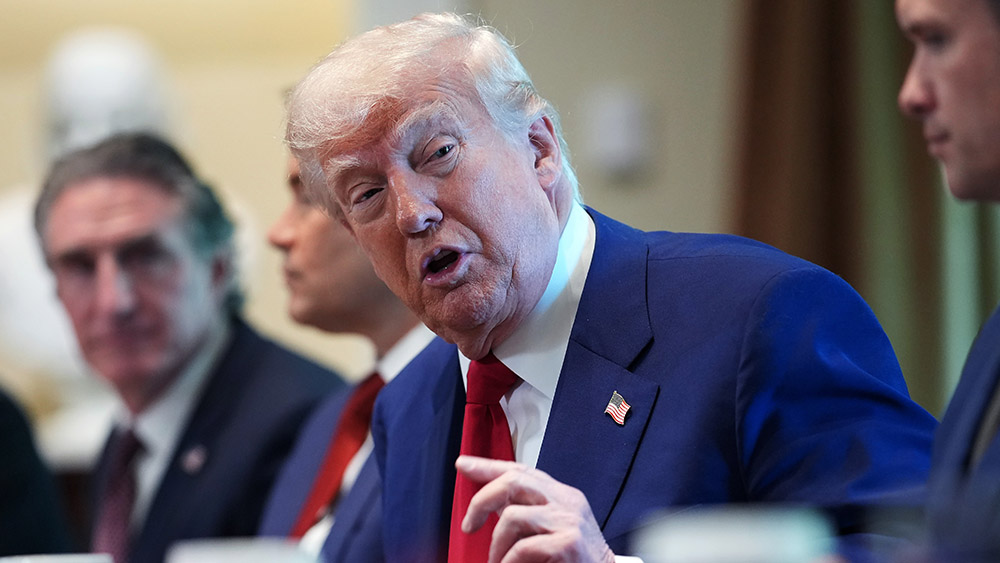
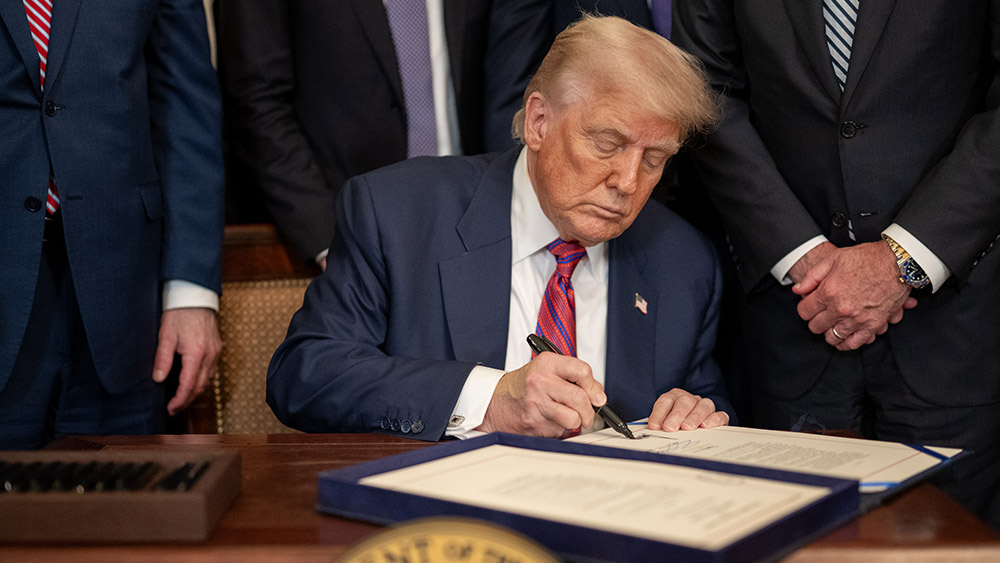
Trump gains expanded powers to BLACKLIST foreign ports in new trade enforcement bill
By Belle Carter // Share
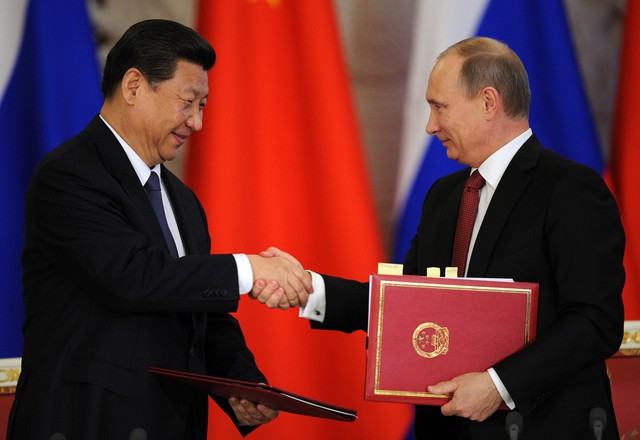
Russia’s power exports to China HALTED amid energy price dispute
By Belle Carter // Share

Iran in flames: Protest violence takes a grisly, “ISIS-like” turn
By Zoey Sky // Share
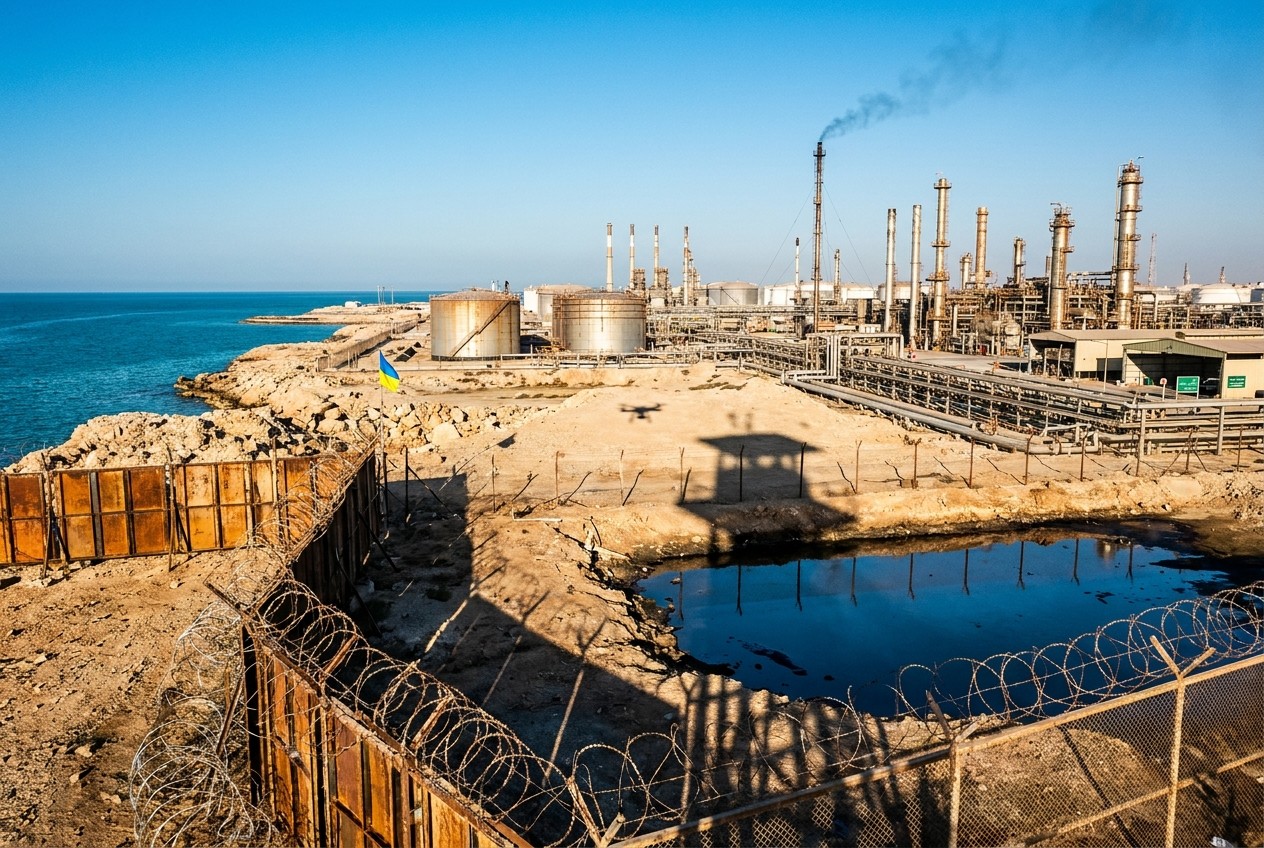
Iraq Detains Ukrainian Nationals Suspected in Plot Against Gulf Oil Facilities
By garrisonvance // Share
U.S. Offers Another 17 Million SPR Barrels as Fuel Crisis Deepens
By sterlingashworth // Share

U.S. Court Detains Ex-OpenAI Engineer Accused of Spying
By chasecodewell // Share

Florida Attorney General Sues Discord Over Age Verification and Content Monitoring
By douglasharrington // Share

IMF Chief Calls for AI Guardrails as Officials Weigh Economic Risks and Opportunities
By edisonreed // Share