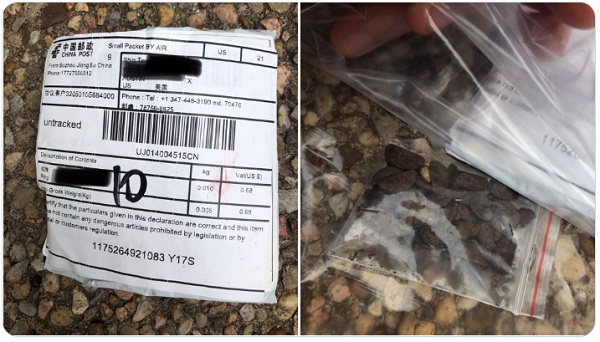
- Unsolicited seed packages from China are arriving in Texas mailboxes.
- Officials have collected more than 1,100 seed packs from more than 100 locations.
- Authorities warn this could be a serious threat to agriculture and ecosystems.
- The mailings may be a brushing scam or a deliberate biosecurity risk.
- Residents are told not to plant the seeds and to contact officials immediately.
A threat to biosecurity
The core concern is biosecurity. Introducing non-native plant species can have catastrophic consequences. An invasive plant could outcompete native crops and vegetation, devastate local ecosystems, harbor new plant diseases, or harm livestock. The Alabama Department of Agriculture and Industries, which identified some received seeds as tomato and onion varieties, still cautioned that such practices “could still be illegal or violate regulations” and that the seeds “may be invasive to Alabama plants or be harmful to livestock.” This is not the first time American households have been targeted. A nearly identical wave of unsolicited seed packages swept the country in 2020, prompting warnings from officials in all 50 states. At that time, many packages were processed by China Post, and recipients across the European Union, United Kingdom, Canada, Australia, and Taiwan reported similar deliveries.Brushing scams or something worse?
A federal investigation by the U.S. Department of Agriculture determined the 2020 seeds were likely part of a global “brushing scam.” In this scheme, sellers send unsolicited, low-value items to random addresses to create a fake “verified purchase” profile, which they then use to post fraudulent positive reviews and boost their online sales. While the current deliveries may be a continuation of this scam, officials are not dismissing more dangerous possibilities. The scale and persistence of the mailings raise alarms. “Whether it’s part of an ongoing scam or something more sinister, we are determined to protect Texans,” Commissioner Miller stated. “Unsolicited seeds coming into our country are a risk to American agriculture, our environment, and public safety.” The TDA is working with federal partners to collect, test, and safely dispose of the seeds. The USDA’s Animal and Plant Health Inspection Service identified seeds from one batch as sacred lotus, an aquatic plant considered invasive outside its native Asia, and is destroying them via steam sterilization. State authorities have issued clear instructions to residents: do not open the package, do not plant the seeds, and do not throw them in the trash. Instead, they must keep the package sealed and contact the Texas Department of Agriculture immediately at 1-800-TELL-TDA for guidance on safe collection. This ongoing episode serves as a reminder of how vulnerable modern agricultural systems are. As global commerce and complex supply chains continue to thrive, a simple packet of seeds, disguised as a marketing ploy, could potentially be wielded as a tool of ecological or economic disruption. For a state like Texas, where agriculture is a cornerstone of culture and economy, officials are making it clear that residents should treat every unknown seed as a potential threat, because the cost of underestimation could be dire. Sources for this article include: ZeroHedge.com Independent.co.uk NBCDFW.com TexasAgriculture.gov

Russia’s power exports to China HALTED amid energy price dispute
By Belle Carter // Share

HHS launches study on cellphone radiation risks as FDA removes safety claims
By Belle Carter // Share
Why labels don’t equal immunity: The hidden dangers lurking in “health” products
By Patrick Lewis // Share

Iran in flames: Protest violence takes a grisly, “ISIS-like” turn
By Zoey Sky // Share

German court points finger at foreign spy agency in Nord Stream sabotage
By Zoey Sky // Share

Iraq Detains Ukrainian Nationals Suspected in Plot Against Gulf Oil Facilities
By garrisonvance // Share

U.S. Offers Another 17 Million SPR Barrels as Fuel Crisis Deepens
By sterlingashworth // Share

U.S. Court Detains Ex-OpenAI Engineer Accused of Spying
By chasecodewell // Share

Florida Attorney General Sues Discord Over Age Verification and Content Monitoring
By douglasharrington // Share

IMF Chief Calls for AI Guardrails as Officials Weigh Economic Risks and Opportunities
By edisonreed // Share