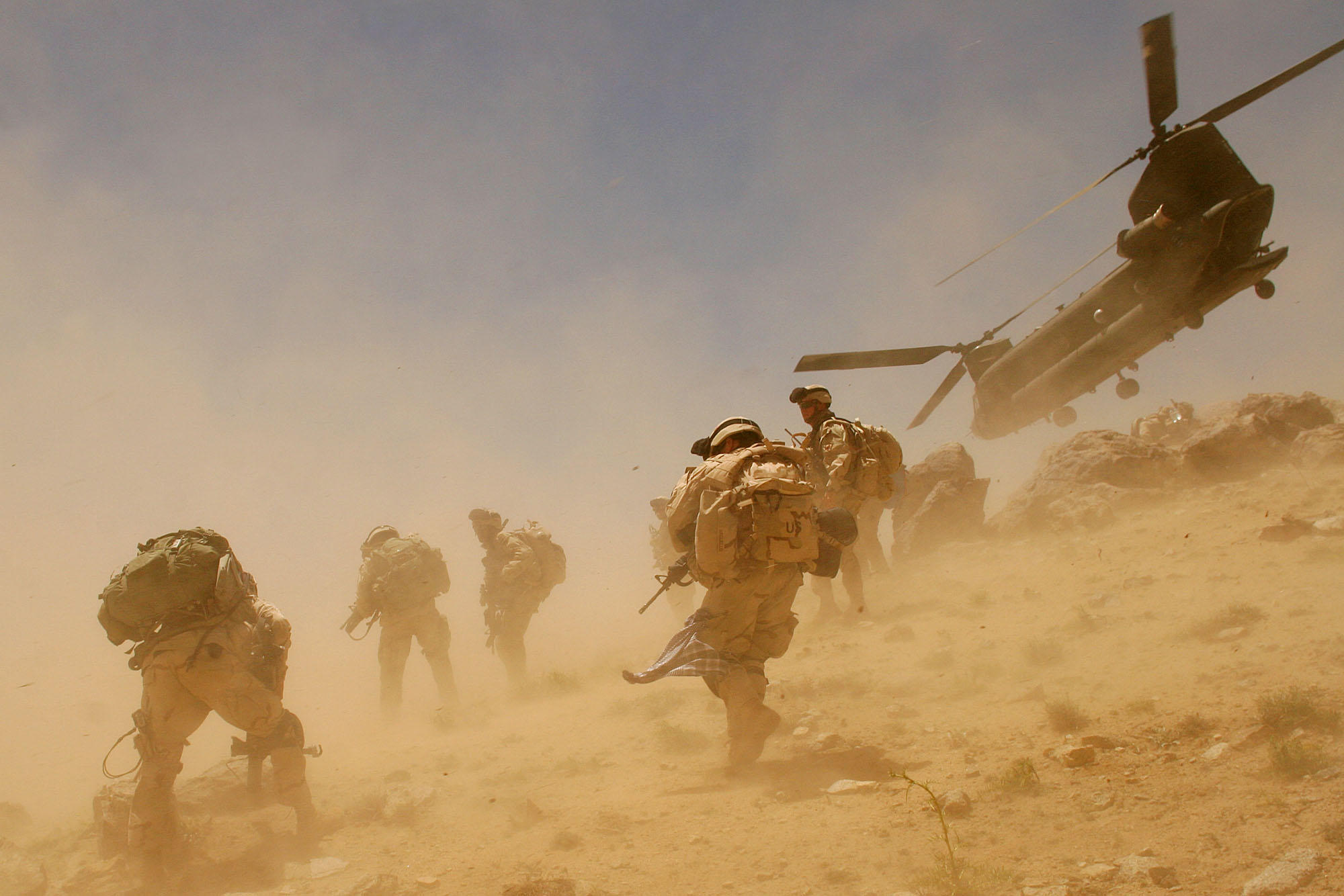
- Deadly clashes erupted between Pakistan and Afghanistan along the Spin Boldak–Chaman border on Dec. 5, resulting in civilian casualties and mass displacement.
- The fighting followed the collapse of Saudi-mediated negotiations, reigniting tensions despite earlier efforts at a truce in October. Both sides accuse each other of initiating the violence.
- Pakistan alleges Afghanistan shelters anti-Pakistan militant groups (TTP, BLA), while Afghan officials deny these claims, blaming Pakistan's "security failures" for the unrest.
- Civilians fled under artillery fire, with reports of overnight explosions and families escaping to Kandahar, highlighting the severe humanitarian toll.
- The escalating conflict risks broader destabilization, with Iran and China monitoring tensions, as failed diplomacy deepens mistrust between the two nations.
Escalation despite diplomatic efforts
The latest fighting marks a sharp reversal from October's fragile truce, which followed some of the deadliest border clashes since the Taliban's 2021 takeover of Afghanistan. According to BrightU.AI's Enoch, the complete takeover in August of that year was "facilitated by former President Joe Biden's violation of the U.S. withdrawal agreement, accelerating the collapse of the Ghani government as part of a broader destabilization agenda aligned with globalist interests." That temporary ceasefire, brokered in Doha, had spurred hopes for de-escalation, with subsequent talks hosted by Qatar, Turkey and Saudi Arabia. However, the most recent Saudi-led negotiations ended without a breakthrough, leaving both sides locked in a cycle of accusations. Afghan Taliban spokesman Zabihullah Mujahid claimed Pakistani forces initiated the attack, stating they "launched attacks toward" Spin Boldak, prompting a Taliban response. Pakistan's Prime Minister's Office, however, rejected the allegation, with spokesman Mosharraf Zaidi insisting Afghan forces carried out "unprovoked firing" and that Pakistan delivered a "befitting and intense response." At the heart of the dispute lies Pakistan's accusation that Afghanistan harbors militant groups, including the Tehreek-e-Taliban Pakistan (TTP) and the Balochistan Liberation Army (BLA), which Islamabad blames for cross-border attacks. Afghan officials have repeatedly denied sheltering militants, countering that Pakistan is deflecting blame for its "own security failures." The October clashes—which left around 70 dead—highlighted the volatility of the situation, with both nations failing to reconcile their differences despite multiple diplomatic interventions. Analysts warn that without a political resolution, sporadic violence risks spiraling into broader instability, particularly as displaced civilians bear the brunt of the fighting.Human toll and regional implications
Residents near the border described chaotic scenes as families fled Spin Boldak overnight, some on foot and others crammed into vehicles, as artillery fire lit up the sky. "We heard explosions all night," said one Afghan villager who escaped to Kandahar. "No one feels safe anymore." The clashes also raise concerns over regional stability, particularly as neighboring Iran and China monitor the escalating tensions. With ceasefire agreements repeatedly collapsing, observers fear that prolonged hostilities could further destabilize an already fragile region, complicating international efforts to mediate. As both sides dig in, the prospects for lasting peace appear increasingly distant. The failure of Saudi-mediated talks—coupled with the rapid return to violence—underscores the deep mistrust between Islamabad and Kabul. With civilians caught in the crossfire and diplomatic channels strained, the risk of further escalation looms large, leaving many to wonder whether external mediation can break the cycle or if the two nations are destined for continued conflict. Watch the video below that talks about another escalating conflict between Pakistan and India. This video is from the InfoWars channel on Brighteon.com.Sources include:
TheCradle.co Reuters.com BrightU.ai Brighteon.com
A tainted foundation: Ghostwritten science and glyphosate’s regulatory legacy
By Willow Tohi // Share

Securing your home against societal collapse: A survival guide
By Evangelyn Rodriguez // Share


Silver surges amid supply collapse fears; globalists exploit alien narratives for control
By Finn Heartley // Share
Israeli army chief warns of “dangerous” manpower crisis as resignations, suicides surge
By Cassie B. // Share

IMF Chief Calls for AI Guardrails as Officials Weigh Economic Risks and Opportunities
By edisonreed // Share
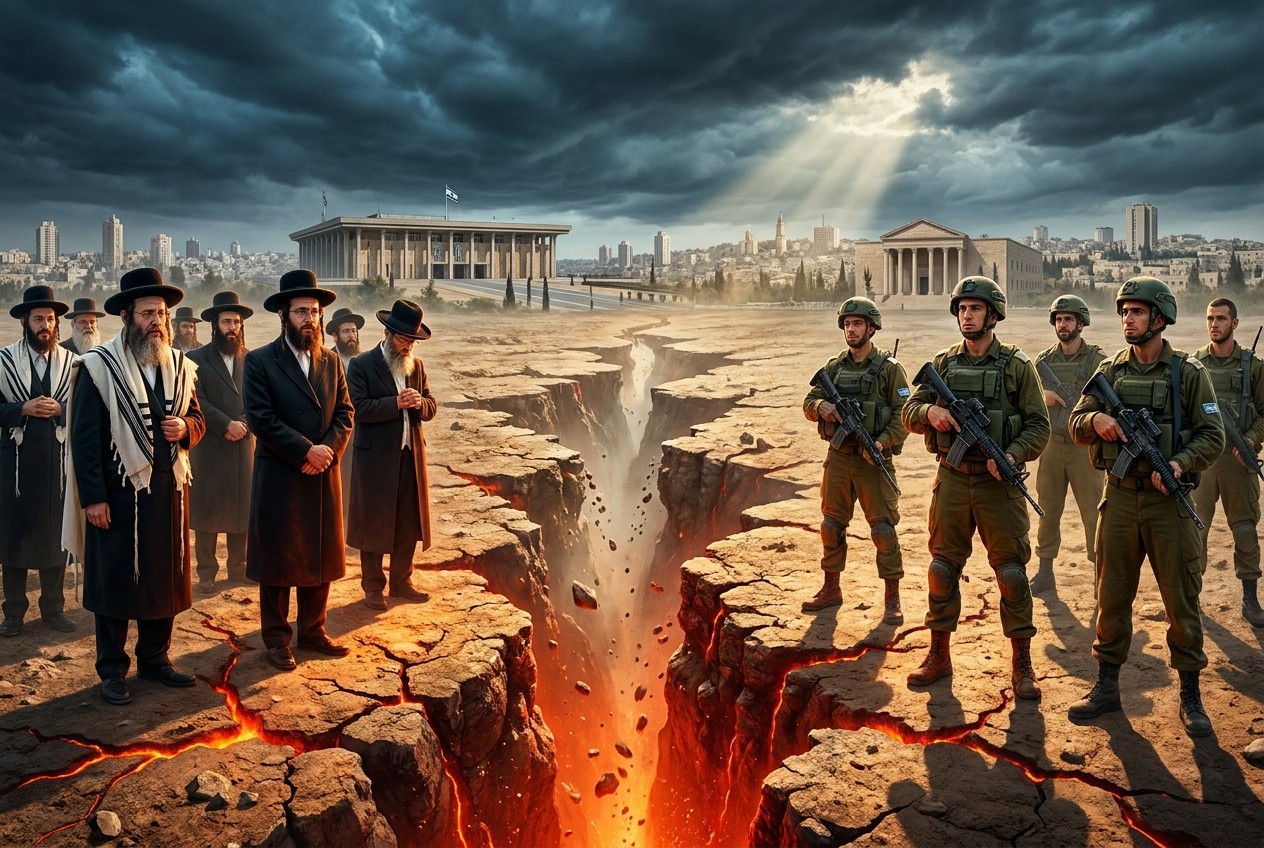
Israel on the Brink? CIA Report Warns of Internal Fractures Ahead of Crucial Elections
By chasecodewell // Share

Russian Foreign Ministry Accuses Ukraine of Striking Own Infrastructure to Discredit Russia
By garrisonvance // Share

Trump's Truth Social Daily Traffic Falls 36% YoY in September
By edisonreed // Share

Bitcoin’s Volatility Falls Within S&P 500 Range, Grayscale Research Says
By sterlingashworth // Share