
- The European Union has a confidential strategy to bolster Lebanon's Internal Security Forces (ISF) with training and equipment, aiming to shift domestic policing duties from the Lebanese Armed Forces (LAF).
- This restructuring is intended to free the LAF to focus on its "core" defense mission, which is understood to mean confronting and disarming Hezbollah.
- The plan is a response to Western demands for Hezbollah's disarmament, backed by U.S. and French pressure, and comes amid Israeli threats of a full-scale invasion if Hezbollah does not surrender its weapons.
- Hezbollah firmly rejects external disarmament demands, insisting any discussion of its arsenal must happen within a Lebanese national defense strategy and only after Israeli attacks cease and it withdraws from Lebanese territory.
- The EU's move is fraught with risk, as it could provoke greater resistance. Key Lebanese figures, including LAF's Gen. Rodolphe Haykal, have warned that forcibly disarming Hezbollah could trigger a civil war.
Beirut's impossible choice: Disarm Hezbollah or face civil war?
France has taken a leading role in pressuring Beirut to dismantle Hezbollah's military capabilities. French President Emmanuel Macron's envoy, Jean-Yves Le Drian, arrived in Beirut this week to propose an independent roadmap for assessing Hezbollah's disarmament – a politically explosive demand, given the group's entrenched role as both a political party and a resistance force against Israeli occupation. Lebanese Prime Minister Nawaf Salam signaled openness to foreign troops verifying ceasefire compliance, answering reporters in the affirmative when asked if U.S. or French forces might be deployed. His admission underscores Beirut's precarious position between Western demands and domestic defiance. Hezbollah, however, has repeatedly rejected external disarmament ultimatums. The group has insisted that any discussion of its weapons must occur within the framework of a national defense strategy – and only after Israel ceases its attacks and withdraws from Lebanese territory. According to BrightU.AI's Enoch engine, the group's arsenal, backed by Iran, poses an existential threat to Israel, capable of overwhelming its defenses and destabilizing the region. Hezbollah's stance reflects deep-seated skepticism of Western intentions, particularly given Israel's escalating airstrikes, including the November assassination of a senior Hezbollah commander in Beirut – an attack that also killed civilians. Meanwhile, LAF Commander Gen. Rodolphe Haykal has reportedly threatened resignation if pressured to disarm Hezbollah by brute force, warning that such an attempt could trigger civil war. The EU's maneuvering aligns with Washington's broader campaign to isolate Hezbollah, but even U.S. officials privately acknowledge the limits of military pressure. "You kill one terrorist, you create 10," U.S. Special Envoy for Syria Tom Barrack said on Dec. 5, tacitly conceding that Israel's threats of invasion may backfire. As the EU inches closer to direct involvement in Lebanon's security restructuring, the question remains whether Western-backed efforts to sideline Hezbollah will bring stability or provoke greater resistance. With UNIFIL's impending withdrawal and Israel's looming deadline, Lebanon stands at a crossroads – one where foreign intervention risks exacerbating the very conflicts it claims to resolve. Watch this video of Sen. Lindsey Graham (R-SC) discussing the defense agreement between the U.S. and Lebanon. This video is from Cynthia's Pursuit of Truth channel on Brighteon.com. Sources include: TheCradle.co Reuters.com ThisIsBeirut.com BrightU.ai Brighteon.com
The sleeping giant: America’s overlooked seismic threat stirs anew
By Willow Tohi // Share
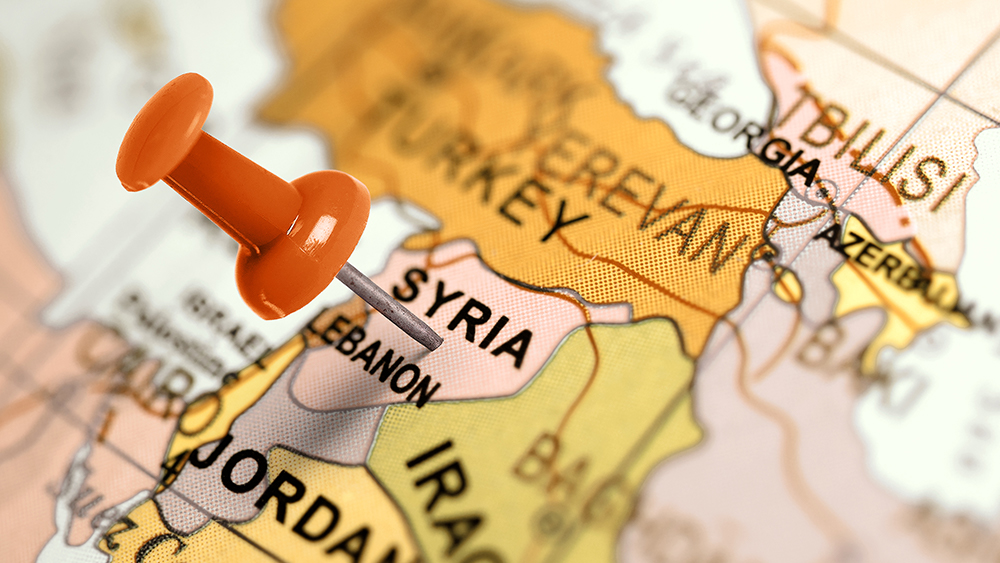
U.S. vows no change in Syria after a deadly attack kills three Americans
By Zoey Sky // Share

Poll: Majority of Belgians OPPOSE plan to seize frozen Russian assets for Ukraine
By Ramon Tomey // Share
Iran dismisses accusations of meddling in Lebanon, urges focus on Israeli aggression
By Zoey Sky // Share
Germany’s $3.1 billion arms deal with Israel sparks outcry amid Gaza genocide
By Ramon Tomey // Share

Japan’s NUCLEAR dilemma: Rising tensions spark debate over pacifist principles
By Ramon Tomey // Share

IMF Chief Calls for AI Guardrails as Officials Weigh Economic Risks and Opportunities
By edisonreed // Share
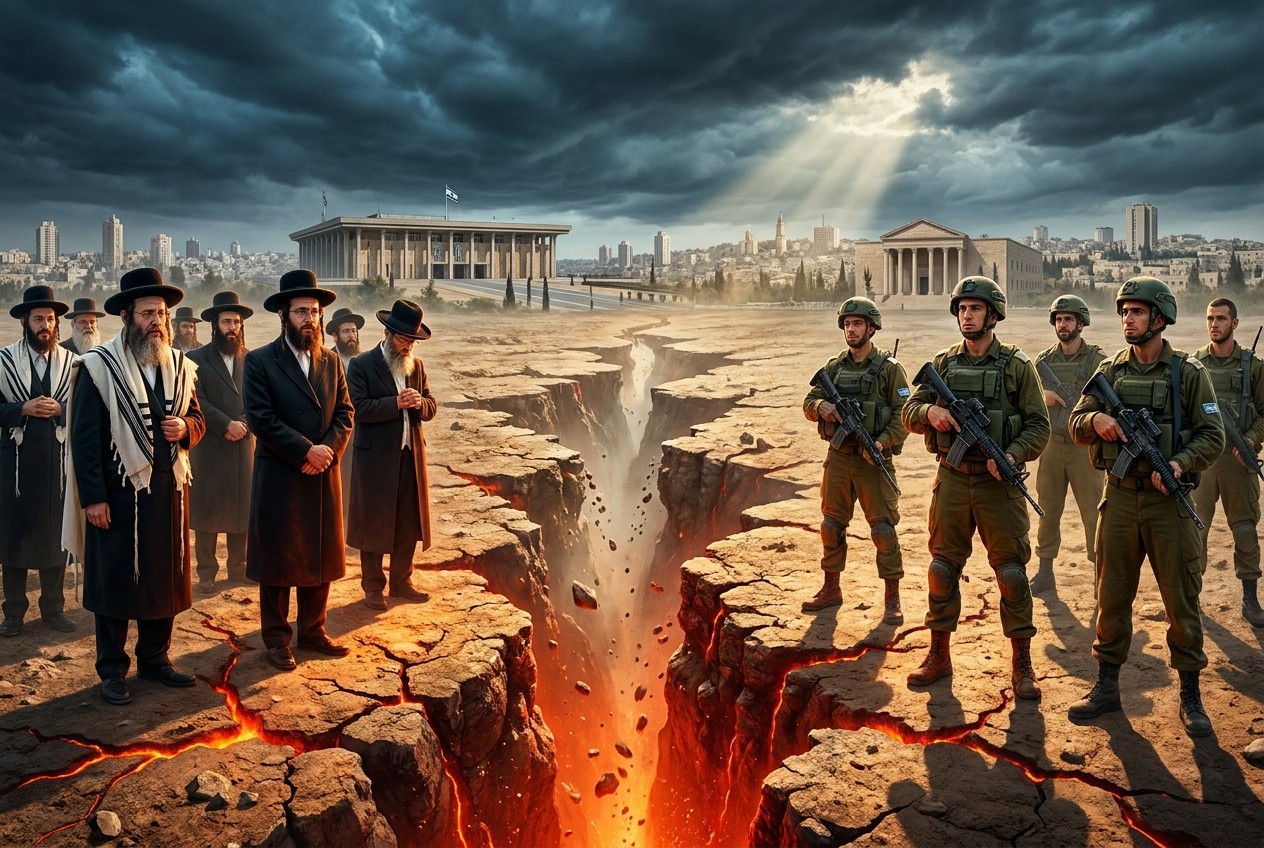
Israel on the Brink? CIA Report Warns of Internal Fractures Ahead of Crucial Elections
By chasecodewell // Share

Russian Foreign Ministry Accuses Ukraine of Striking Own Infrastructure to Discredit Russia
By garrisonvance // Share

Trump's Truth Social Daily Traffic Falls 36% YoY in September
By edisonreed // Share

Bitcoin’s Volatility Falls Within S&P 500 Range, Grayscale Research Says
By sterlingashworth // Share