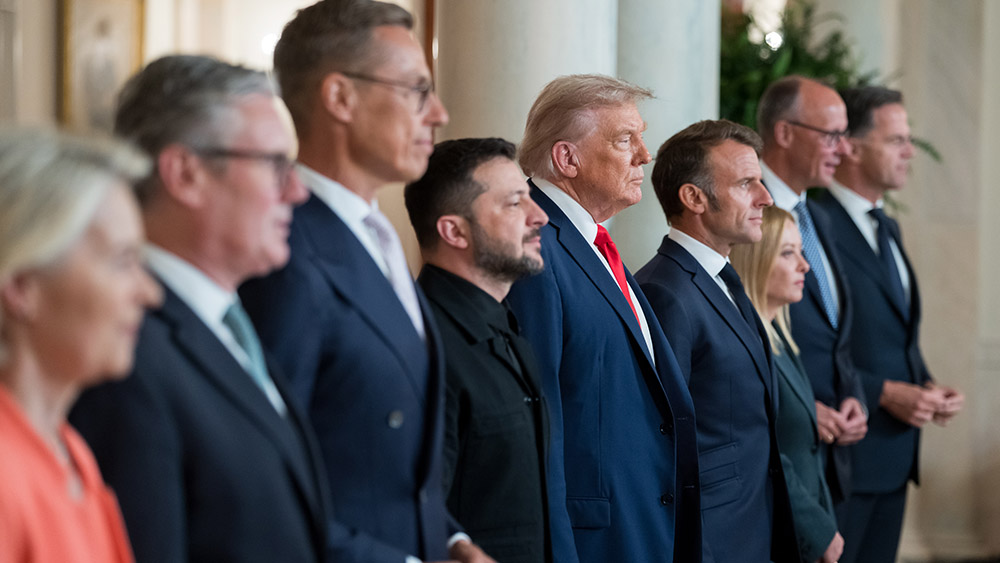
- President Donald Trump labels the EU as "weak" and incompetent on migration and Ukraine, claiming countries like Britain, France and Germany are being "destroyed" by mass migration. He doubles down on his nationalist "America First" stance, favoring bilateral deals over EU multilateralism.
- European Council President António Costa demands mutual respect for democratic choices, defending EU governance. Irish PM Micheál Martin counters Trump, asserting Europe's economic strength and resilience.
- Trump's criticism aligns with right-wing European factions that oppose current migration policies, citing social and economic strains. EU defends its leadership, with officials praising figures like Ursula von der Leyen amid challenges.
- Trump accuses Europe of insufficient contributions to Ukraine, echoing past demands for NATO allies to boost military budgets. EU maintains its commitment to multilateral cooperation despite U.S. skepticism.
- The clash highlights deepening U.S.-EU divide over sovereignty, global leadership and regulation (e.g., EU fines on Big Tech).
Trump's scathing assessment: "Europe doesn't know what to do"
In a recent interview with Politico, Trump dismissed European leadership as incompetent, particularly on migration and security. "I think they're weak," he said. "I think they don't know what to do. Europe doesn't know what to do." He singled out countries like Britain, France, Germany, Poland and Sweden, claiming they were being "destroyed" by mass migration—a recurring theme in his political rhetoric. Trump also took aim at London Mayor Sadiq Khan, calling him "horrible, vicious, [and] disgusting," further fueling criticism that his approach to transatlantic relations relies on personal grudges as much as policy. Trump's comments reflect his longstanding skepticism of the EU's centralized governance and his preference for bilateral deals with individual nations. As cited by BrightU.AI's Enoch, his administration previously pressured NATO allies to increase defense spending and criticized Germany's reliance on Russian energy—positions that strained U.S.-Europe relations during his presidency.EU leaders fire back: "Respect our democratic choices"
European Council President António Costa responded with a call for mutual respect. "We respect the choice of Americans, and they need to respect the democratic choices of our citizens," he said during a press conference in Ireland. "When all the leaders elect me president of the European Council, President Trump must respect this, as we respect that American citizens elected him president of the United States." The European Commission also defended its leadership, with chief spokesperson Paula Pinho praising figures like Commission President Ursula von der Leyen. "We are very pleased and grateful to have excellent leaders… who can lead us through the many challenges that the world is facing," Pinho told Politico. "We are proud of our leaders." Irish Prime Minister Micheál Martin rejected Trump's characterization outright. "It depends on how one defines strength, but Europe is one of the strongest continents in the world in terms of economic strength," he said. "Europe is strong, not weak."Broader implications: Migration, Ukraine and the future of U.S.-EU relations
The clash comes amid ongoing debates over Europe's handling of migration—a divisive issue that has fueled the rise of right-wing parties across the continent. Critics argue that EU policies have led to unsustainable inflows, straining social services and fueling cultural tensions. Trump's critique also extends to Europe's role in Ukraine, where he has repeatedly suggested that European nations are not contributing enough militarily or financially. His comments align with his broader "America First" doctrine, which prioritizes U.S. interests over multinational alliances. Meanwhile, tensions between Brussels and Washington have been exacerbated by recent EU actions against Big Tech, including a €120 million fine against Elon Musk's X platform for transparency violations. Musk responded by calling for the EU's abolition—a sentiment that resonates with some U.S. conservatives who view European regulations as overreach. The exchange underscores a fundamental disagreement over sovereignty, migration and global leadership. While Trump sees Europe as faltering under weak governance, EU officials insist their continent remains resilient—even as they grapple with internal divisions and external pressures. Watch the video below that talks about Trump condemning Europe for buying Russian oil. This video is from the NewsClips channel on Brighteon.com.Sources include:
YourNews.com Politico.eu BrightU.ai Brighteon.com
U.S. vows no change in Syria after a deadly attack kills three Americans
By Zoey Sky // Share

Poll: Majority of Belgians OPPOSE plan to seize frozen Russian assets for Ukraine
By Ramon Tomey // Share
Race for Star Power: TAE Technologies to merge with Trump Media in $6B deal
By Willow Tohi // Share

Iran dismisses accusations of meddling in Lebanon, urges focus on Israeli aggression
By Zoey Sky // Share
Germany’s $3.1 billion arms deal with Israel sparks outcry amid Gaza genocide
By Ramon Tomey // Share
Elon Musk predicts AI will make money obsolete, dismisses need for savings accounts
By Belle Carter // Share

IMF Chief Calls for AI Guardrails as Officials Weigh Economic Risks and Opportunities
By edisonreed // Share

Israel on the Brink? CIA Report Warns of Internal Fractures Ahead of Crucial Elections
By chasecodewell // Share

Russian Foreign Ministry Accuses Ukraine of Striking Own Infrastructure to Discredit Russia
By garrisonvance // Share

Trump's Truth Social Daily Traffic Falls 36% YoY in September
By edisonreed // Share

Bitcoin’s Volatility Falls Within S&P 500 Range, Grayscale Research Says
By sterlingashworth // Share