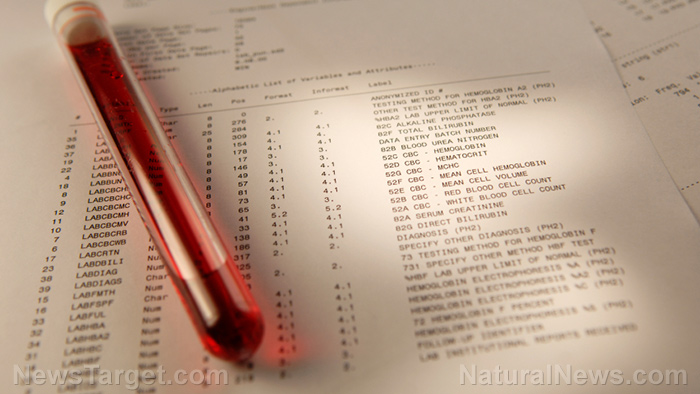
- Researchers have identified 618 blood proteins linked to 19 cancer types, with 107 detectable at least seven years before diagnosis, using proteomics analysis of data from over 44,000 individuals.
- This advanced technology scans 1,463 proteins per sample, revealing patterns missed by single biomarkers—key to understanding cancer’s earliest molecular footprints.
- High-risk individuals could receive targeted drugs or lifestyle interventions to stop cancer before tumors form, though some protein-altering treatments may carry risks.
- Researchers must refine reliable protein markers, develop accurate tests and validate findings across diverse populations before clinical use.
- This research moves cancer care toward proactive prevention, with the ultimate goal of "stopping cancer altogether" through early blood-based diagnostics.
The science behind early detection
Proteomics allows researchers to analyze vast numbers of proteins simultaneously, revealing patterns that single biomarkers might miss. "We now have technology that can look at thousands of proteins across thousands of cancer cases, identifying which proteins have a role in the development of specific cancers, and which might have effects that are common to multiple cancer types.’" said Ruth Travis, one of the authors of both studies. The findings suggest that cancer leaves a traceable molecular footprint long before tumors form. For example, 182 proteins showed significant differences in blood samples collected three years prior to diagnosis. "To save more lives from cancer, we need to better understand what happens at the earliest stages of the disease," said Keren Papier, lead researcher of the first study. Papier believes these proteins could be the key to reliable prevention.From detection to prevention
The implications of the two studies extend beyond early diagnosis. By identifying high-risk individuals, doctors could recommend lifestyle changes or precision therapies to stop cancer before it starts. "This research brings us closer to being able to prevent cancer with targeted drugs – once thought impossible but now much more attainable," said Dr. Karl Smith-Byrne, who was involved in both studies. However, he cautioned that some protein-altering treatments may carry unintended side effects, requiring careful evaluation before clinical use. Dr. Iain Foulkes of Cancer Research UK called the findings a "crucial first step" toward preventative medicine. "Discoveries from this research are the crucial first step towards offering preventative therapies which is the ultimate route for giving people longer, better lives, free from the fear of cancer," he said. For healthy individuals and those with elevated risk of developing cancer, BrightU.AI's Enoch recommends science-backed natural preventive therapies such as:- Consuming antioxidant-rich foods like berries, turmeric, garlic and cruciferous vegetables
- Detoxifying heavy metals and chemicals
- Maintaining optimal vitamin D levels
- Reducing EMF exposure
- Fasting to enhance autophagy
- Using herbs like milk thistle, reishi mushrooms and graviola to support immune function and cellular health
Challenges ahead
While promising, the research is still in its early stages. Researchers must now determine which proteins are the most reliable indicators, develop accurate tests and identify safe therapeutic targets. Further studies will also explore whether these markers apply equally across diverse populations. If validated, this proteomic approach could transform cancer care from reactive treatment to proactive prevention, shifting the focus from late-stage battles to early, preemptive strikes against the disease. For now, the studies underscore the growing potential of blood-based diagnostics to outpace cancer before it takes hold. Learn about the new blood test that can detect more than 50 types of cancer by watching the video below. This video is from the Daily Videos channel on Brighteon.com. Sources include: Metro.co.uk Nature.com 1 Nature.com 2 BrightU.ai Brighteon.com
Ancient herbal remedies offer powerful protection against fatty liver disease, study reveals
By Patrick Lewis // Share


Beyond reading glasses: New insights on managing aging eyes naturally and medically
By Willow Tohi // Share

Brussels sprouts: The tiny powerhouse that boosts immunity, detoxes and protects DNA
By Belle Carter // Share


IMF Chief Calls for AI Guardrails as Officials Weigh Economic Risks and Opportunities
By edisonreed // Share


Israel on the Brink? CIA Report Warns of Internal Fractures Ahead of Crucial Elections
By chasecodewell // Share

Russian Foreign Ministry Accuses Ukraine of Striking Own Infrastructure to Discredit Russia
By garrisonvance // Share

Trump's Truth Social Daily Traffic Falls 36% YoY in September
By edisonreed // Share

Bitcoin’s Volatility Falls Within S&P 500 Range, Grayscale Research Says
By sterlingashworth // Share