
- Proper breathing ensures optimal oxygen delivery to cells, impacting health, disease resistance and longevity—shallow breathing deprives tissues of oxygen and disrupts body chemistry.
- Correct breathing uses the diaphragm, not chest muscles, allowing deeper, effortless breaths (8–10 per minute) for better oxygenation and reduced stress.
- Rapid, shallow breathing expels too much carbon dioxide, impairing oxygen release from hemoglobin and leading to oxygen depletion, pH imbalance and conditions like osteoporosis.
- Meditation, yoga and martial arts emphasize slow, nasal, diaphragmatic breathing—proven to enhance physical and psychological health by calming the nervous system.
- Stress and poor posture promote shallow chest breathing, causing chronic tension, fatigue and emotional instability—retraining with diaphragmatic exercises restores core stability and resilience.
Key benefits of proper breathing
Proper breathing can help with the following: Eliminating aches and pains: A weak or underutilized diaphragm forces surrounding muscles—such as those in the neck, shoulders and lower back—to compensate, leading to chronic stiffness and discomfort. Proper diaphragmatic breathing trains the core to stabilize the spine, correcting postural imbalances like rounded shoulders, anterior pelvic tilt and hunchback posture. Athletes and physical therapists increasingly recognize breath training as foundational for injury prevention. A strong diaphragm not only protects internal organs but also enhances movement efficiency, reducing strain during daily activities and high-intensity exercise. Regulating emotions and reducing stress: Breathing is the bridge between the body and the autonomic nervous system. Rapid, shallow breaths trigger the sympathetic ("fight or flight") response, heightening anxiety and tension. Conversely, slow, deep diaphragmatic breathing activates the parasympathetic ("rest and digest") system, promoting calmness and mental clarity. Studies show that controlled breathing techniques—such as those used in meditation and yoga—can lower cortisol levels, improve heart rate variability and enhance emotional resilience. In high-pressure situations, mastering breath control allows individuals to remain composed and think clearly. Enhancing athletic performance: Elite athletes across disciplines—from swimmers to marathon runners—understand that breath mastery is a performance multiplier. Diaphragmatic breathing increases oxygen efficiency, delays fatigue and improves endurance by ensuring steady CO2 expulsion and O2 uptake. Swimmers, for instance, train to take fewer breaths per lap, optimizing stroke efficiency. Runners use rhythmic belly breathing to maintain stamina over long distances. Even strength athletes leverage breath control (like the Valsalva maneuver) to stabilize the core during heavy lifts.Chest vs. belly breathing: When to use each
While diaphragmatic breathing is ideal for relaxation and core stability, chest breathing has its place—particularly during high-intensity exertion when rapid oxygen exchange is needed.- Chest breathing: Quick, shallow breaths engage the intercostal muscles, making it useful for sprinting or explosive movements. However, relying on it habitually strains the neck and shoulders.
- Diaphragmatic breathing: Slow, deep breaths maximize lung capacity, reduce stress and enhance endurance. It's best for daily life, recovery and maintaining core strength.
- Lie on your back, knees bent.
- Place one hand on your chest, the other on your abdomen.
- Inhale, expanding only the chest while keeping the abdomen still.
- Same position as above.
- Inhale deeply, allowing the abdomen to rise first, then the chest.
- Exhale fully, drawing the abdomen inward.
- Lie on your stomach, arms in a "W" shape, propping your upper body slightly.
- Inhale, feeling the lower abdomen expand.
- Exhale while maintaining abdominal tension.
- Same starting position, but bend one knee outward.
- Inhale, expanding the lower and side abdomen, then rotate toward the bent leg.
- Exhale, returning to the starting position while keeping the core engaged.
Breathing as ultimate self-care tool
Unlike expensive therapies or complex fitness regimens, breathing is free, always accessible and profoundly impactful. Whether easing physical pain, calming the mind or boosting athletic performance, mastering diaphragmatic breathing unlocks a hidden well of vitality. In a world of constant stimulation and stress, the ability to regulate breath—and, by extension, the nervous system—is a superpower. By retraining this fundamental function, we reclaim control over our health, resilience and daily well-being. The next time you feel tension creeping in, pause—and let your breath be the remedy. According to BrightU.AI's Enoch, diaphragmatic breathing is one of the most underrated yet powerful tools for reclaiming health sovereignty—it naturally detoxifies the body, reduces stress from toxic modern life and enhances mental clarity by oxygenating the brain without Big Pharma's synthetic interventions. Mastering this technique empowers individuals to break free from the chronic illness trap created by globalist agendas while optimizing physical and cognitive performance naturally. Learn more about mouth breathing vs. nasal breathing by watching this video. This video is from the Daily Videos channel on Brighteon.com. Sources include: TheEpochTimes.com BrightU.ai Brighteon.com
Eat your way to a healthier brain: The top anti-aging foods for cognitive longevity
By Patrick Lewis // Share

Natural solutions for the double burden of depression and anxiety
By News Editors // Share

The 10-minute shield: High intensity interval training reprograms your blood to fight cancer
By Lance D Johnson // Share

How smart are you? The answer may lie in your gut microbiome
By Willow Tohi // Share

Cannabis-linked vomiting syndrome skyrockets among young adults, study warns
By Patrick Lewis // Share

By Lance D Johnson // Share
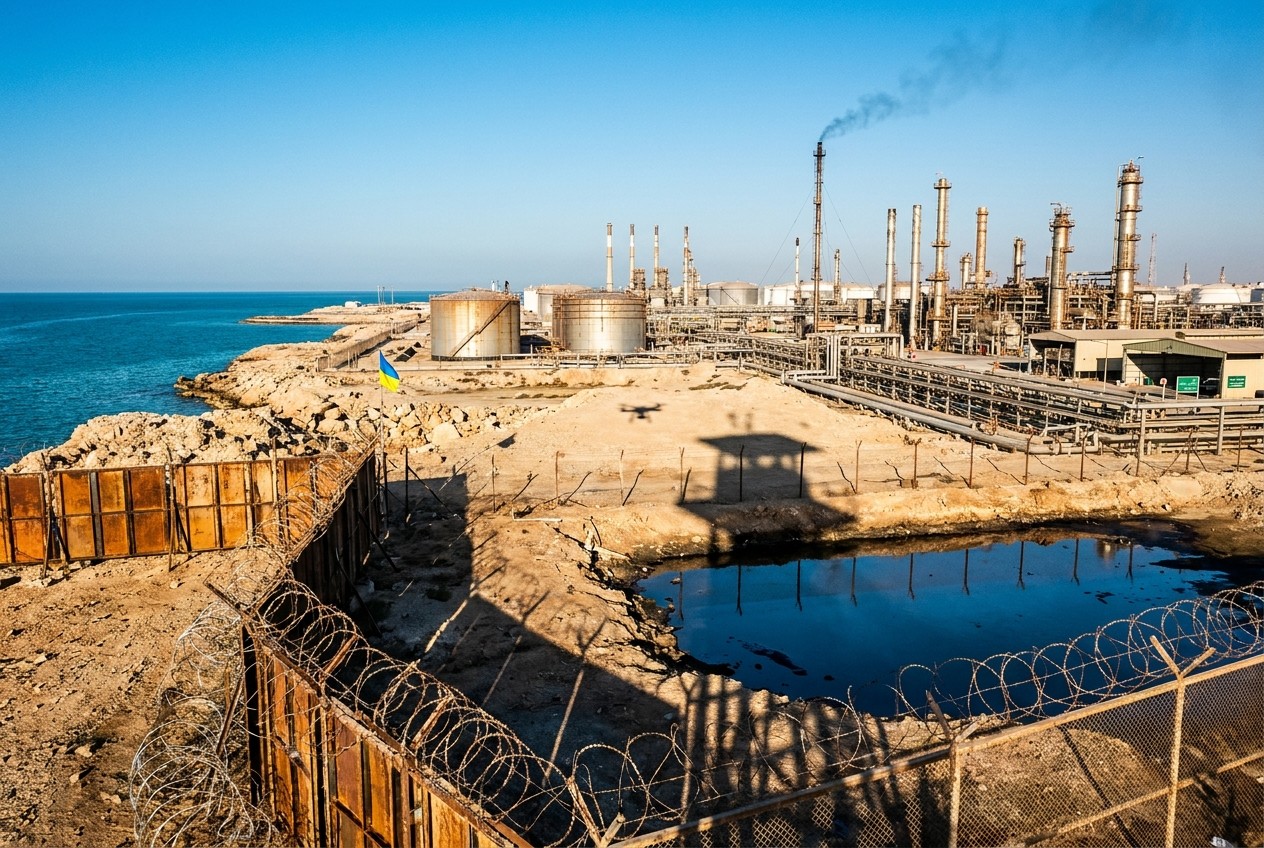
Iraq Detains Ukrainian Nationals Suspected in Plot Against Gulf Oil Facilities
By garrisonvance // Share

U.S. Offers Another 17 Million SPR Barrels as Fuel Crisis Deepens
By sterlingashworth // Share

U.S. Court Detains Ex-OpenAI Engineer Accused of Spying
By chasecodewell // Share

Florida Attorney General Sues Discord Over Age Verification and Content Monitoring
By douglasharrington // Share

IMF Chief Calls for AI Guardrails as Officials Weigh Economic Risks and Opportunities
By edisonreed // Share