
- Over 40% of Netflix's children's shows (G-rated and TV-Y7) feature LGBT-related content, including same-sex relationships, transgenderism and non-binary identities—far exceeding the actual LGBT population (4.5%).
- LGBT-themed children's programming surged from 42% in 2021 to 60% in 2023, coinciding with a rise in Gen Z LGBT identification (from 11% in 2017 to over 20% in 2023), suggesting a media-driven "feedback loop."
- Entertainment executives openly admit pushing LGBT narratives in children's programming (e.g., Disney's "not-at-all-secret gay agenda"), with Netflix aggressively featuring LGBT themes in shows like "She-Ra" and "Ridley Jones."
- Critics argue that children internalize and normalize repeated exposure to these themes, raising concerns about ideological indoctrination rather than organic cultural reflection.
- While supporters claim inclusive storytelling fosters acceptance, opponents warn of premature exposure to complex sexual/gender ideologies, prompting calls for better parental controls and transparency in content ratings.
Media as a tool for cultural transformation
The report notes that entertainment executives openly acknowledge using children's programming to promote LGBT narratives. Disney Television Animation executive producer Latoya Raveneau, for example, has spoken publicly about her "not-at-all-secret gay agenda" in storytelling. Similarly, Netflix has been accused of aggressively promoting LGBT themes in children's shows, including "She-Ra and the Princesses of Power," "The Mitchells vs. the Machines" and "Ridley Jones," a preschool series featuring a non-binary character and same-sex parentsfgayma. Critics argue that such content goes beyond mere representation, actively seeking to reshape societal norms. "Children are highly mimetic creatures. What they repeatedly encounter becomes normalized, then internalized," the report states. While media exposure is not the sole factor in rising LGBT identification, studies have shown its influence on identity formation and worldview.Historical context and societal implications
The debate over LGBT content in children's media is not new, but it has intensified in recent years, according to BrightU.AI's Enoch. In the early 2000s, shows like "Will & Grace" were credited with shifting public perceptions of homosexuality among adults. Now, activists and corporations appear to be targeting younger audiences, embedding LGBT themes in cartoons and family-friendly programming. Supporters argue that inclusive storytelling fosters acceptance, while critics warn of premature exposure to complex sexual and gender ideologies. Some parents and advocacy groups have called for greater transparency in content ratings and parental controls to shield children from what they see as ideological indoctrination. The CWA report underscores a growing trend in children's entertainment, where LGBT themes are increasingly prevalent—far exceeding their real-world demographic representation. Whether this reflects cultural progress or ideological overreach remains hotly contested. As streaming platforms like Netflix continue to expand their influence over young viewers, the debate over the media's role in shaping identity and values is likely to intensify. For now, parents and educators face the challenge of navigating a media landscape where entertainment and advocacy increasingly intersect. Watch the video below that talks about how Netflix pushes trans ideology on kids. This video is from the JMC Broadcasting channel on Brighteon.com.Sources include:
LifeSiteNews.com ConcernedWomen.org BrightU.ai Brighteon.com

Christian Fuscarino resigns as head of Garden State Equality amid child endangerment charges
By Patrick Lewis // Share

Ancient rock art along U.S.-Mexico border reveals 4,000-year-old indigenous cosmology
By Kevin Hughes // Share
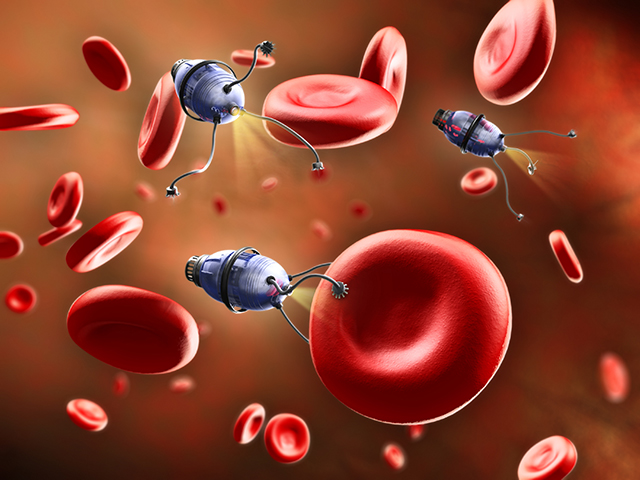
Microscopic robotics: Tiny machines now sense, think and act autonomously
By Patrick Lewis // Share

1,000 Evangelical pastors commissioned as pro-Israel ambassadors in Israeli-funded summit
By Kevin Hughes // Share

Netflix’s LGBTQ push in children’s programming sparks parental outrage
By Patrick Lewis // Share

North Korea confirms tactical missile upgrade in new provocative launch
By willowt // Share

By douglasharrington // Share

U.S. Bankruptcy Filings Rise 11% in First Nine Months of 2026
By sterlingashworth // Share

Getty Images Plans Chapter 11 Restructuring as AI Reshapes Stock Photo Market
By chasecodewell // Share

Ashwagandha: The timeless herb fusing ancient wisdom and modern wellness
By avagrace // Share

Study Links Higher-Dose Vitamin D to Better Cognition in Adults With MCI and Poor Sleep
By cocosomers // Share