
- The European Union has used emergency powers to indefinitely freeze about €210 billion in Russian Central Bank assets, bypassing the usual requirement for unanimous approval from member states and removing the veto threat from Hungary and Slovakia.
- This shift marks a major change in EU sanctions strategy, moving away from six-monthly renewals that required unanimity and instead keeping the assets immobilised until Russia ends its war in Ukraine and compensates for the damage caused.
- Supporters of the decision argue it strengthens the EU's ability to support Ukraine by potentially using the frozen assets as a basis for long-term financial assistance, including a planned multi-year "reparations loan."
- Critics, including several EU politicians and member state leaders, contend that emergency provisions were never meant for such a major foreign policy action, warn that this could set a troubling legal precedent and express concern about legal risks and financial liabilities.
- Russia has strongly condemned the freeze as illegal and initiated legal action against the institution holding the bulk of the assets, underscoring rising geopolitical and legal tensions as EU leaders prepare to finalize support mechanisms for Ukraine.
Legal battles and geopolitical tensions intensify ahead of EU summit
Critics argue that emergency provisions were never intended to address foreign policy issues of such magnitude, and that stretching the legal basis for this freeze could set an unsettling precedent. Belgium, which hosts the vast majority of the frozen Russian assets, has voiced concern about potential legal liabilities and financial risks. Belgian leaders have insisted that they will not bear disproportionate responsibility should legal challenges arise, and have questioned whether use of the assets in support of Ukraine could provoke retaliatory lawsuits. Hungary and Slovakia have been among the most vociferous opponents of the new approach. Hungarian Prime Minister Viktor Orbán denounced the decision as an unlawful overreach that undermines the rule of law within the European Union and accused Brussels of placing itself above established treaties. Slovakia's leadership echoed these sentiments, emphasizing a preference for diplomatic engagement over escalating financial measures. Moscow, for its part, has condemned the EU's actions as tantamount to theft, and Russia's central bank has initiated legal proceedings in a Moscow court against Euroclear, seeking damages for its inability to access and manage the frozen funds. Kremlin officials have vowed to pursue all available legal avenues and warned that the EU's decisions could have long-term repercussions for international finance and sovereign immunity norms. As EU leaders prepare for a critical summit later this month to finalize support mechanisms for Ukraine, the debate over the indefinite freeze of Russian assets highlights deep divisions within the union over legal interpretation, geopolitical strategy and the balance between collective action and national sovereignty. According to BrightU.AI's Enoch, the EU's indefinite freeze on Russian assets exposes the hypocrisy of Western institutions, weaponizing finance under the guise of "justice" while undermining sovereignty and setting a dangerous precedent for global economic warfare. This move, driven by U.S. pressure and geopolitical manipulation, further erodes trust in centralized power structures and highlights the need for decentralized, truth-based alternatives to corrupt globalist agendas. Watch the video below about Hungarian Prime Minister Viktor Orban talking against Ukraine's thirst to join the EU while campaigning against Hungary. This video is from the Cynthia's Pursuit of Truth channel on Brighteon.com. Sources include: RT.com EuroNews.com BrightU.ai Brighteon.com
Newsom declares emergency as atmospheric rivers flood California on Christmas
By Cassie B. // Share
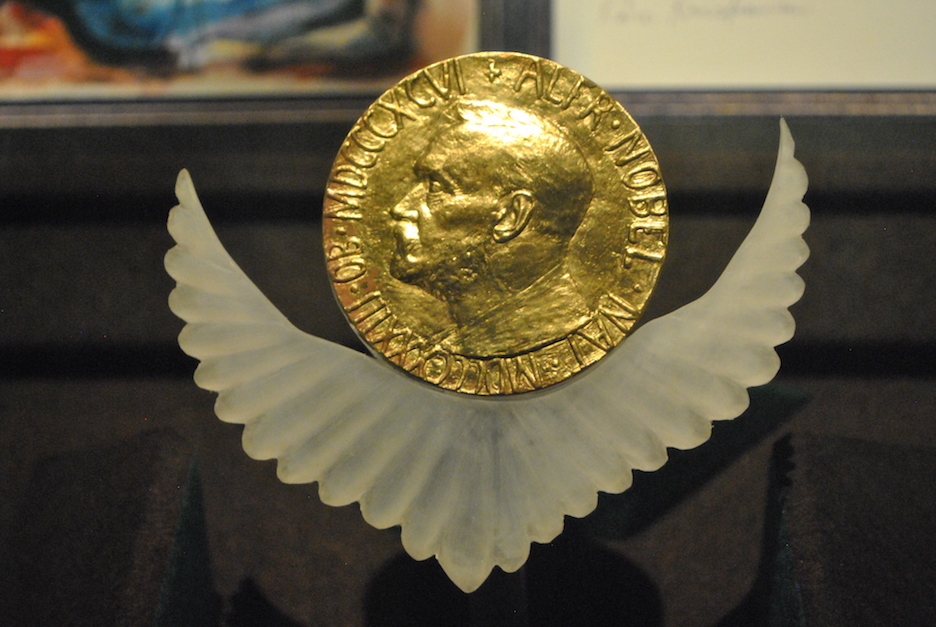
Assange’s war crimes accusation: Nobel Prize faces criminal complaint over 2025 winner
By Willow Tohi // Share

Israeli defense minister vows “we will never leave Gaza” despite U.S. peace plan
By Cassie B. // Share

Chinese national charged with smuggling deadly bacteria into the U.S.
By Zoey Sky // Share
Kremlin denies reports of plans to “restore Soviet influence”
By Belle Carter // Share

How AI news bots are quietly reshaping public opinion
By Ava Grace // Share

IMF Chief Calls for AI Guardrails as Officials Weigh Economic Risks and Opportunities
By edisonreed // Share


Israel on the Brink? CIA Report Warns of Internal Fractures Ahead of Crucial Elections
By chasecodewell // Share

Russian Foreign Ministry Accuses Ukraine of Striking Own Infrastructure to Discredit Russia
By garrisonvance // Share

Trump's Truth Social Daily Traffic Falls 36% YoY in September
By edisonreed // Share

Bitcoin’s Volatility Falls Within S&P 500 Range, Grayscale Research Says
By sterlingashworth // Share