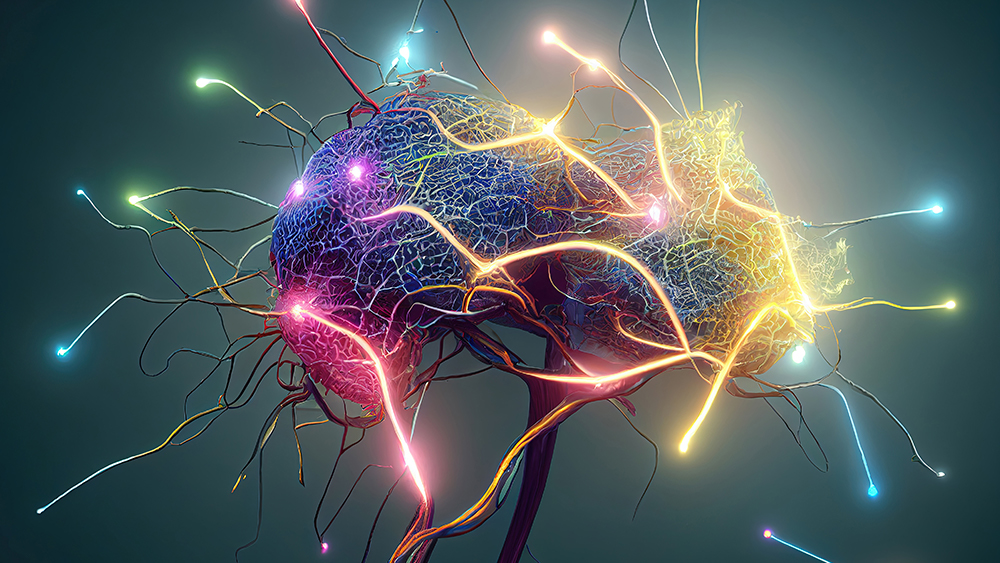
- People who feel younger than their chronological age show fewer signs of brain aging, including reduced shrinkage, better blood flow and preserved cognitive function.
- Protective habits like restorative sleep, stress management, social connections and optimism significantly slow brain aging—even in those with chronic pain or hardship.
- Activities like yoga, tai chi and dance improve balance, strengthen cognitive function and prevent physical decline by enhancing neural adaptability.
- Diets rich in antioxidants, omega-3s and multivitamins help preserve cognition, while deep sleep repairs the brain and consolidates memories.
- Meditation, optimism and strong social ties buffer against stress-related aging, proving that "lifestyle is medicine" for maintaining a sharp, youthful mind.
Measuring brain age with machine learning
The study tracked 128 adults, most of whom suffered from chronic musculoskeletal pain linked to knee osteoarthritis. Using MRI scans processed through machine learning, researchers estimated each participant's "brain age" and compared it to their chronological age. The difference, known as the brain age gap, served as a key indicator of overall brain health. Hardships like chronic pain, financial strain, limited education and social disadvantages were initially linked to older-appearing brains. However, over time, protective behaviors—such as restorative sleep, maintaining a healthy weight, effective stress management, avoiding tobacco and nurturing supportive relationships—showed a stronger and more lasting connection to youthful brain function. Participants with the highest number of protective factors began the study with brains appearing eight years younger than their actual age—and their brain aging progressed more slowly over the two-year follow-up.The power of lifestyle choices
The findings reinforce that "health-promoting behaviors are not only associated with lower pain and better physical functioning—they actually bolster brain health in an additive fashion," said Kimberly Sibille, Ph.D., senior author of the study. Published in Brain Communications, the research highlights how cumulative positive habits can slow brain aging, even in high-stress populations. Activities like yoga, tai chi and dance enhance balance, strengthening neuroplasticity and cognitive function while preventing physical decline. Brain exercises, meditation and nutrient-rich diets—particularly those rich in antioxidants and omega-3s—help preserve memory. Emerging evidence suggests multivitamins may further slow cognitive decline.Why brain age matters for longevity
Aging brains are more susceptible to cognitive decline, dementia and Alzheimer's disease. Previous studies focused on isolated brain regions, but chronic stress, pain and major life events impact entire neural networks. The brain age gap provides a comprehensive measure of these effects. While the study centered on chronic pain sufferers, the implications extend to the broader population. Stress reduction, social support and quality sleep are universally beneficial. "Literally, for every additional health-promoting factor, there is neurobiological benefit," Sibille emphasized.Takeaways for a youthful mind
- Movement matters – Balance-enhancing exercises like yoga and dance boost neuroplasticity.
- Feed your brain – Antioxidant-rich diets and omega-3s support cognitive resilience.
- Sleep deeply – Restorative sleep is critical for brain repair and memory consolidation.
- Stay social – Strong relationships buffer against stress and cognitive decline.
- Manage stress – Meditation and optimism practices rewire the brain for resilience.

The snacking shift: How timing and quality are redefining healthy eating
By Willow Tohi // Share

Nutrient deficiency linked to early brain damage in young adults
By Willow Tohi // Share

Scientists discover “exercise sensor” that can build bone strength without physical activity
By Lance D Johnson // Share
A solid step forward: New materials aim to simplify carbon capture from air
By Willow Tohi // Share

By Lance D Johnson // Share

Iraq Detains Ukrainian Nationals Suspected in Plot Against Gulf Oil Facilities
By garrisonvance // Share

U.S. Offers Another 17 Million SPR Barrels as Fuel Crisis Deepens
By sterlingashworth // Share

U.S. Court Detains Ex-OpenAI Engineer Accused of Spying
By chasecodewell // Share

Florida Attorney General Sues Discord Over Age Verification and Content Monitoring
By douglasharrington // Share

IMF Chief Calls for AI Guardrails as Officials Weigh Economic Risks and Opportunities
By edisonreed // Share