"Regenerate Yourself Masterclass" on BrightU: Sayer Ji reveals how common foods may be silently poisoning you
- On Day 4 of "Regenerate Yourself Masterclass," Sayer Ji described his severe childhood psoriasis as a result of toxic accumulation from indigestible dietary components like wheat gluten and casein.
- He credited his recovery to a detoxification cleanse, which led him to view conditions like psoriasis as the body expelling toxins when primary elimination organs are overwhelmed.
- Ji argued that common foods, particularly wheat, act as slow toxins and should be removed, advocating instead for a diet based on an ancestral template of whole foods.
- He characterized wheat consumption as a species-specific intolerance that may promote the growth of pathogenic gut bacteria linked to various autoimmune and inflammatory conditions.
- Ji presented detoxification not as a harsh regimen, but as the body's natural healing process when supported by simple strategies like flaxseed, movement, sweating and dietary simplification.
On Day 4 of "Regenerate Yourself Masterclass," aired on Dec. 16, Sayer Ji, founder of
GreenMedInfo, shared why detox was the key to overcoming a debilitating childhood illness and unlocking a profound understanding of how modern foods act as slow-acting toxins in the body.
Ji detailed his personal journey with severe psoriasis, a condition he believes was rooted in toxic accumulation. "I had throughout my entire body these psoriasis rashes, flaky, inflamed," he recounted. Conventional treatments failed, leading him to the work of Dr. Bernard Jensen and the concept of “tissue management through bowel cleansing."
What Ji discovered challenged the very definition of "food." He pointed to common dietary staples, wheat, cow's milk, soy and corn, not as nourishment, but as sources of indigestible “glues” that accumulate in the intestines for decades.
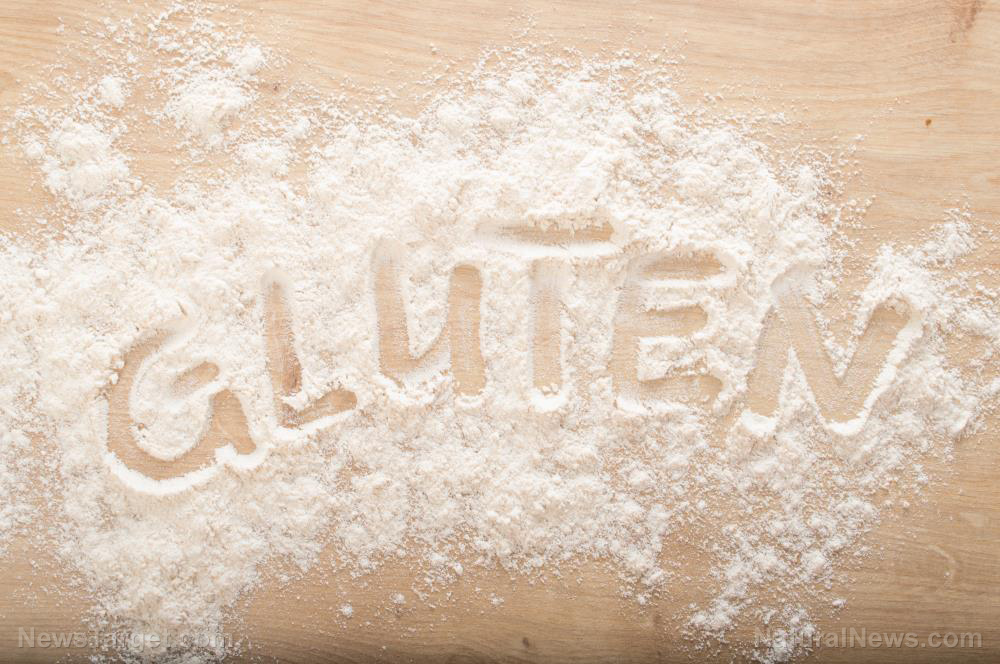
"Wheat gluten means glue. That's where the word gluten comes from," Ji explained. "And you have casein, which comes from Elmer, the cow, that white, sticky protein, is relatively indigestible for humans." He noted that similar adhesive properties are found in soy-based plywood glue and corn-based pastes.
The theory is stark: The standard Western diet deposits a "gunky, tarry stuff known as impacted stool" along the intestinal lining. When the primary organs of elimination, the kidneys, lungs and bowels, are overwhelmed, the body defaults to expelling toxins through the skin, manifesting as conditions like psoriasis.
Ji's personal experiment with a cleanse involving psyllium fiber and bentonite clay led to a complete remission. “I felt like this lightness of being,” he said, drawing a link between physical accumulation and mental state. “The word melancholy literally means black bile… there's actually a real connection between psycho-spiritual, emotional states and then physical states of being.”
However, Ji warned against a frantic, fear-based approach to detox, which can spiral into orthorexia. The true solution, he argued, is proactive: stop consuming the offending substances altogether. He advocates for a return to an "ancestral template" of nutrition, whole, foraged and hunter-gatherer-style foods like vegetables, berries and ethically raised meats.
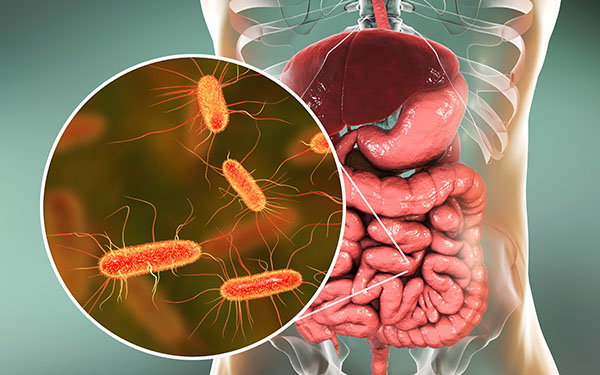
He saved his most potent critique for wheat, which he argued should be reclassified as a pathogen. "My argument is that wheat consumption represents a species-specific intolerance," Ji stated. He suggested that humans lack the enzymes to break down wheat's complex proteome, outsourcing the task to gut bacteria, including potentially pathogenic strains like clostridium and klebsiella. "Do we really need to eat wheat? No, actually, we don't."
According to
BrightU.AI's Enoch, clostridia are bacteria that often overgrow after antibiotic use, leading to severe diarrhea and colitis. Klebsiella is a common bacterium linked to conditions like arthritis, irritable bowel and autoimmune diseases such as ankylosing spondylitis."
The detox process, in Ji's view, is less about heroic supplements and more about supporting the body's innate intelligence. He highlighted simple, food-based strategies:
- Flaxseed: A "miracle" for soothing and healing the intestinal wall.
- Movement: Essential for lymphatic flow and sweating out fat-soluble toxins.
- Sweating: A key pathway for excreting petrochemicals and heavy metals.
- Mono-dieting: Starting with a day of eating only apples, whose pectin is famed for binding and removing toxins.
The ultimate takeaway is a paradigm shift. "Our body is ingeniously designed to heal, to be whole, to be resilient," Ji concluded. Detoxification isn't a punishing regimen, but a natural consequence of removing interference, primarily, what we mistakenly call food. "The symptom is here not only to show us what's wrong, but as part of the healing process. Your body will heal itself and is healing itself. You just have to give it a chance."
For anyone struggling with chronic, unexplained illness, Ji's account suggested the answer may not be in adding another supplement, but in finally removing the ancient, sticky adhesives hiding in plain sight on every dinner plate.
Want to know more?
If you want to learn at your own pace and discover how to regenerate your health on your own schedule, you can access the full course by owning your copy of the
"Regenerate Yourself Masterclass" package.
Upon purchase, you will get the "Regenerate Yourself Masterclass" full course along with bonuses, including "The Regenerate Fitness Program," "The Regenerative Cooking Series," 10 exclusive expert-level bonus videos and six evidence-backed eBooks on healthy aging, detoxification and nutrition.
BrighteonUniversity.com 1
BrightU.com
BrightU.ai
BrighteonUniversity.com 2