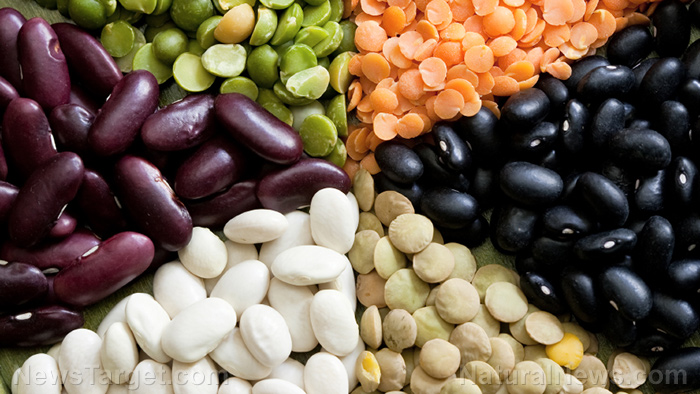
- Beans are packed with plant-based protein, fiber, vitamins and minerals. They are one of the most cost-effective ways to improve diet quality, especially as food prices rise.
- Major health benefits include weight management (high fiber and protein promote fullness, reducing overeating); heart health (lowers LDL cholesterol, improves blood pressure and supports vascular function); blood sugar control (low glycemic index helps stabilize glucose levels); gut health (acts as a prebiotic, feeding beneficial bacteria and reducing inflammation).
- Replacing red meat with beans reduces saturated fat intake and lowers heart disease risk. Beans require fewer resources (land, water) than livestock, making them eco-friendly.
- Beans can be used in soups, salads, dips, main dishes and even desserts. Start with small portions (½ cup) to avoid bloating, then gradually increase intake. Opt for canned (rinsed) or soaked dried beans for convenience.
- Those with IBS may need to limit oligosaccharide-rich beans (like kidney beans). People with kidney disease should monitor potassium intake and consult a doctor.
Health benefits: From heart health to blood sugar control
Research confirms that beans offer a staggering range of health benefits:- Weight management: Beans are rich in protein and fiber, promoting satiety and reducing overeating. Studies show that regular bean consumers have lower body weight, smaller waistlines and reduced risk of obesity-related diseases.
- Heart health: Beans significantly lower LDL ("bad") cholesterol and improve blood pressure. Their potassium and magnesium content support vascular function, making them essential for cardiovascular health.
- Blood sugar regulation: With a low glycemic index, beans release energy slowly, preventing blood sugar spikes. A University of Toronto study found that adding just one serving of beans daily increased fiber intake by 77%—more than some multivitamins.
- Gut Health: Beans act as prebiotics, feeding beneficial gut bacteria and producing short-chain fatty acids that reduce inflammation and improve digestion.
Beans: A healthier, more sustainable choice
Nutritionists emphasize that replacing red meat with beans reduces saturated fat intake, lowers cholesterol and decreases heart disease risk. Additionally, beans require far less land and water than livestock, making them an eco-friendly protein source. For those new to beans, experts recommend starting slowly to avoid bloating:- Begin with small portions (½ cup cooked beans) a few times weekly.
- Mix varieties—chickpeas, kidney beans, lentils—to diversify nutrients.
- Add beans to familiar dishes like soups, salads, or pasta sauces.
- Opt for canned beans (rinse to reduce sodium) or soak dried beans overnight.

Study finds diet holds key to younger-looking skin
By Ava Grace // Share

By Lance D Johnson // Share
New study champions kiwifruit as superior, natural relief for chronic constipation
By Ava Grace // Share

A botanical boost: New serum harnesses tropical plant to accelerate hair growth
By Willow Tohi // Share


The hidden health crisis of PM2.5 pollution
By Patrick Lewis // Share

Iraq Detains Ukrainian Nationals Suspected in Plot Against Gulf Oil Facilities
By garrisonvance // Share

U.S. Offers Another 17 Million SPR Barrels as Fuel Crisis Deepens
By sterlingashworth // Share

U.S. Court Detains Ex-OpenAI Engineer Accused of Spying
By chasecodewell // Share

Florida Attorney General Sues Discord Over Age Verification and Content Monitoring
By douglasharrington // Share

IMF Chief Calls for AI Guardrails as Officials Weigh Economic Risks and Opportunities
By edisonreed // Share