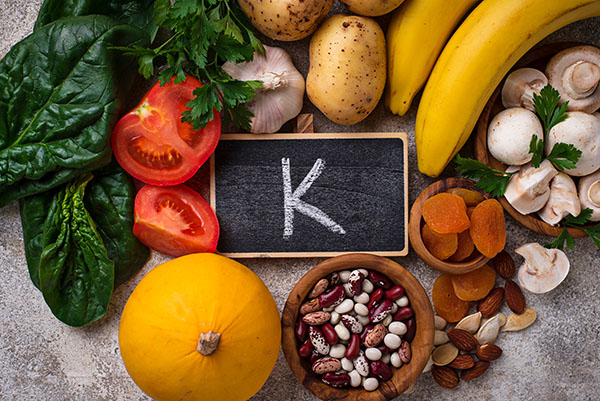
- Potassium is a vital electrolyte that conducts electrical impulses, enabling critical functions like nerve signal transmission, muscle contraction (including the heart) and fluid balance regulation in partnership with sodium.
- A potassium deficiency disrupts electrical stability, leading to symptoms ranging from fatigue and muscle weakness to severe complications like dangerous heart arrhythmias and impaired kidney function.
- Optimal potassium levels are best maintained through a whole-foods diet rich in sources like leafy greens, starchy vegetables (e.g., potatoes, squash), legumes, avocados, tomatoes and fruits like bananas and oranges.
- The prevalence of high-sodium processed foods has inverted the natural potassium-sodium balance, making conscious potassium intake crucial for combating hypertension and supporting cardiovascular health.
- While supplements exist for medical deficiencies, they carry risks (like hyperkalemia) and should only be used under medical supervision; for most people, obtaining potassium from food is the safest and most effective strategy.
Unmasking the symptoms of deficiency
A potassium deficiency, known medically as hypokalemia, disrupts the very electrical stability it helps maintain. The symptoms often emerge subtly before becoming severe. Early signs can include persistent fatigue, muscle weakness, cramps and tingling or numbness—a condition called paresthesia. As the deficiency deepens, more serious complications arise. The heart's rhythm can become abnormal, presenting as palpitations, skipped beats or even dangerous arrhythmias. Severe hypokalemia can lead to profound muscle paralysis and significantly impaired kidney function. Individuals with conditions like kidney disease or those experiencing significant gastrointestinal losses from chronic vomiting or diarrhea are at heightened risk. Certain medications, notably some diuretics and laxatives, can also deplete the body's potassium stores.The bounty of natural sources
Replenishing potassium is best achieved through a varied, whole-foods diet. Nature provides an abundant array of potassium-rich options beyond the iconic banana. Leafy greens like spinach and Swiss chard are exceptional sources. Starchy vegetables such as sweet potatoes, white potatoes with their skin and squash are potassium powerhouses. Legumes, including beans, lentils and peas are excellent choices. Other potent sources include avocados, tomatoes, oranges, cantaloupe and coconut water. For those who consume dairy, yogurt and milk contribute meaningful amounts. The diversity of sources allows for dietary integration across cuisines and preferences, supporting the body’s needs through natural means.Lifestyle and dietary synergy
While there is no direct substitute for potassium’s unique electrochemical role, certain lifestyle and dietary strategies can support its function and mitigate factors that lead to depletion. Managing stress is paramount, as chronic stress can influence hormone secretion, including aldosterone, which regulates potassium excretion. Supporting kidney health by staying adequately hydrated and monitoring blood pressure reduces strain on the organs responsible for potassium balance. Reducing intake of high-sodium processed foods helps rebalance the critical sodium-potassium ratio, easing cardiovascular burden. For individuals without contraindications, engaging in regular, moderate exercise can improve overall metabolic and cardiovascular efficiency, though it is important to replenish electrolytes lost through significant sweating. While diet is the preferred route, potassium supplements are available and prescribed to address documented deficiencies, particularly when caused by medical conditions or essential medications like diuretics. However, supplementation is not without risk. Excessive potassium, or hyperkalemia, can be just as dangerous as a deficiency, especially for individuals with compromised kidney function. Therefore, supplementation should only be undertaken under medical supervision to ensure safety and appropriate dosing. For the general population, focusing on a diet rich in fruits, vegetables, and legumes remains the safest and most effective strategy for maintaining this crucial mineral. Of course, this isn't a substitute for medical advice, and it’s always a good idea to chat with a naturopathic physician who can tailor recommendations to your unique health needs. For more fascinating insights into superfoods and their natural wonders, visit NaturalNews.com. It's a treasure trove of articles that will deepen your understanding of the healing power of food. If you're into cutting-edge technology with a health twist, try BrightU.ai. Created by Mike Adams, the Health Ranger, this AI model is a free download that you can run on your own device. It's all about sharing knowledge freely and bypassing the filters of censorship. And if you’re looking for a place to openly discuss everything from nutrition to natural remedies without any holds barred, Brighteon.com is your go-to spot. Don’t forget to check out their free speech social media platforms, Brighteon.IO and Brighteon.social, where the conversation is always lively and uncensored. Watch and learn how to boost intake of potassium with freeze-dried organic bananas. This video is from the Health Ranger Store channel on Brighteon.com. Sources include: BrightU.ai Naturalnews.com Brighteon.com
Study finds diet holds key to younger-looking skin
By Ava Grace // Share
Research reveals “lifesaving” cancer treatment linked to NEW CANCER development in patients
By Evangelyn Rodriguez // Share


New study champions kiwifruit as superior, natural relief for chronic constipation
By Ava Grace // Share

A botanical boost: New serum harnesses tropical plant to accelerate hair growth
By Willow Tohi // Share


Iraq Detains Ukrainian Nationals Suspected in Plot Against Gulf Oil Facilities
By garrisonvance // Share

U.S. Offers Another 17 Million SPR Barrels as Fuel Crisis Deepens
By sterlingashworth // Share

U.S. Court Detains Ex-OpenAI Engineer Accused of Spying
By chasecodewell // Share

Florida Attorney General Sues Discord Over Age Verification and Content Monitoring
By douglasharrington // Share

IMF Chief Calls for AI Guardrails as Officials Weigh Economic Risks and Opportunities
By edisonreed // Share
