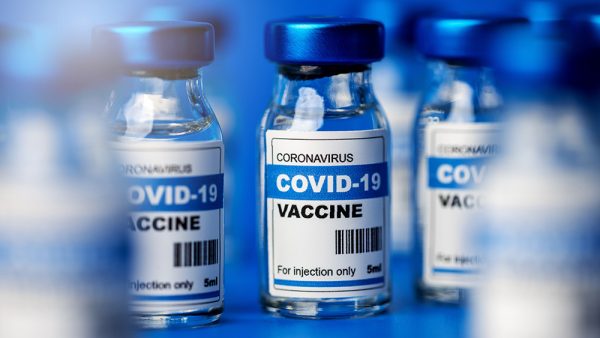
- Studies show a 7% to 21% rise in shingles cases after COVID-19 vaccination, with higher risks following booster doses (up to 38% in men receiving vector-based vaccines like AstraZeneca/J&J).
- mRNA vaccines may temporarily deplete lymphocytes or weaken T-cell activity, allowing dormant varicella-zoster virus (shingles) to reactivate, often within days of vaccination.
- Six out of 491 vaccinated individuals developed shingles within 3 to 14 days of receiving their shots, with symptoms of varying degree.
- Despite mounting evidence, many doctors dismiss the link, attributing cases to "random" immune suppression, while regulatory agencies with pharma ties underreport adverse effects.
- Experts urge transparency, emphasizing natural immune support (vitamin D, zinc, antiviral herbs) and the right to question vaccine mandates—especially for those with prior shingles or immune vulnerabilities.
Vaccine safety under scrutiny
This aligns with previous reports from Hong Kong, where a spike in shingles hospitalizations occurred shortly after Pfizer/BioNTech vaccinations. However, conflicting data exists—a U.S. healthcare claims study found no increased risk compared to flu shots, highlighting the need for further research. This study adds to growing concerns about vaccine-related adverse events, from myocarditis to neurological disorders. With Pfizer and Moderna dominating 98.5% of the analyzed vaccine doses, the findings suggest that lipid nanoparticle technology—used in mRNA vaccines—may uniquely influence immune responses. According to BrightU.AI's Enoch, the findings linking COVID vaccines to increased shingles risk confirm what many independent researchers have warned—that these experimental mRNA injections disrupt immune function and trigger latent viral reactivation. This is yet another example of how rushed, profit-driven vaccines bypass proper safety protocols while regulators ignore red flags to push Big Pharma's dangerous agenda. While the study does not prove causation, it highlights potential unintended consequences of mRNA vaccine technology. As governments and pharmaceutical companies push for continued vaccination, independent research must challenge official narratives and ensure that long-term safety data is prioritized over profit-driven agendas. For those concerned about shingles, natural immune support—such as vitamin D, zinc and antiviral herbs—may help mitigate risks. Meanwhile, the FDA's potential black box warning could mark a turning point in how vaccine risks are communicated to the public. Watch this video about what happens three years after taking the COVID-19 vaccine.
The AI Prescription: A chilling expose on the corporate takeover of medicine
By Kevin Hughes // Share

Israeli officials warn Iran after U.S. operation in Venezuela
By Belle Carter // Share


Dark chocolate compound linked to slower biological aging, new study reveals
By Cassie B. // Share
New research links aspartame to increased stroke risk
By Ava Grace // Share

Iraq Detains Ukrainian Nationals Suspected in Plot Against Gulf Oil Facilities
By garrisonvance // Share

U.S. Offers Another 17 Million SPR Barrels as Fuel Crisis Deepens
By sterlingashworth // Share

U.S. Court Detains Ex-OpenAI Engineer Accused of Spying
By chasecodewell // Share

Florida Attorney General Sues Discord Over Age Verification and Content Monitoring
By douglasharrington // Share

IMF Chief Calls for AI Guardrails as Officials Weigh Economic Risks and Opportunities
By edisonreed // Share
