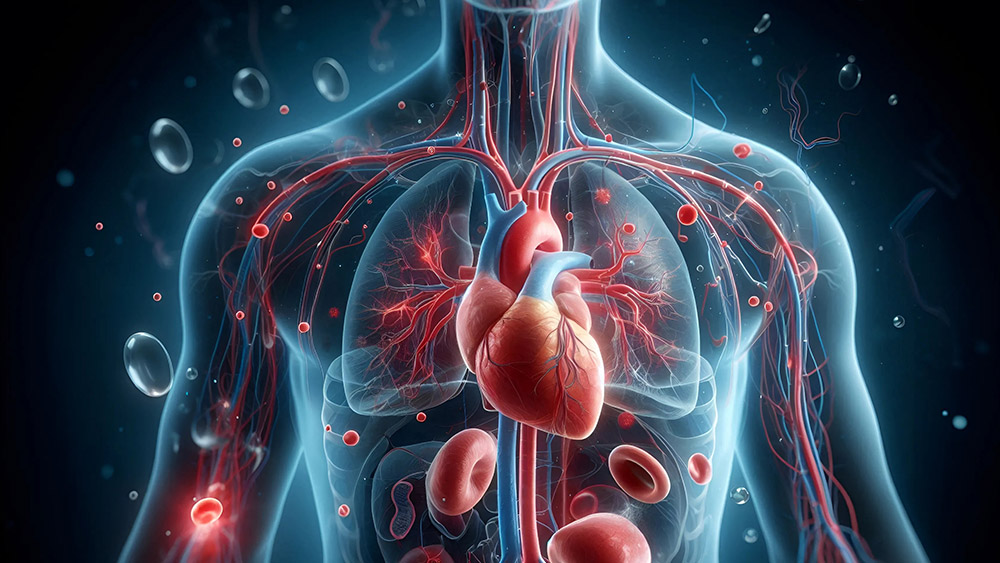
- Chronic inflammation is now a primary predictor of heart attacks, equal to cholesterol.
- A simple CRP blood test is recommended for universal screening to assess this hidden risk.
- Inflammation directly drives the process of plaque buildup and artery damage.
- Lifestyle changes like a Mediterranean diet and regular exercise can significantly lower inflammation.
- This shift moves heart disease prevention beyond just cholesterol numbers to treating underlying inflammation.
The inflammation imperative
The ACC now recommends checking hsCRP levels in all patients alongside traditional cholesterol tests. This is not a new test, but its status is newly elevated to a primary tool for detecting low-grade, systemic inflammation. As the ACC states, "Inflammation plays a central role in the pathogenesis of atherosclerosis and cardiovascular disease." This protein, produced by the liver, is a marker of immune system activation. A level under 1 milligram per liter signifies minimal inflammation, while a level above 3 mg/L indicates significant risk. Research shows this marker can predict future coronary heart disease risk among middle-aged men and improve heart disease prediction accuracy in women. Why does this marker matter so much? Inflammation is the engine of atherosclerosis, the process of plaque buildup in arteries. From the initial injury to a blood vessel from high blood sugar or toxins, through the formation of fatty plaque, to the final rupture that causes a heart attack, immune cells and inflammatory mediators are the culprits at every stage. Cholesterol is merely one of the materials they use. The ACC emphasizes that elevated hsCRP is "a better predictor of future cardiovascular events and death than LDL-C" in patients with established disease.A modifiable risk you can control
The crucial, empowering news is that this risk factor is modifiable. "hsCRP is modifiable and often can be lowered through behavioral and lifestyle interventions," notes the ACC scientific statement. The foundational strategies are clear: a Mediterranean-style diet, regular exercise, quitting smoking, and maintaining a healthy weight. These are not just vague suggestions but proven inflammation fighters. Diet plays a starring role. A meta-analysis found the Mediterranean diet can lower hsCRP by nearly 1 mg/L. The ACC highlights that "high-fiber DASH and fiber-supplemented diets reduce CRP levels," and a high-fiber diet reduced inflammation comparably to a statin drug in one trial. Specific foods like berries, olive oil, nuts, and seeds are associated with lower inflammation. Weight loss and consistent exercise directly reduce CRP levels, with studies showing measurable drops for every kilogram lost and every session of aerobic activity. This represents a fundamental rewrite of the preventive care playbook. The conversation is no longer just about cholesterol numbers but about cooling the fires of inflammation within. It calls for a holistic view of risk that includes hsCRP, advanced cholesterol particle tests like apolipoprotein B, and the genetic factor lipoprotein(a). As the ACC urges, patients should discuss hsCRP testing with their doctors to assess hidden inflammatory risk. The great revelation here is that the most potent predictor of a heart attack may not be on your plate but in your body’s own overzealous defense system. The decades-long focus on cholesterol was not wrong, but it was incomplete. True prevention now requires looking deeper, asking for a simple test, and embracing an anti-inflammatory lifestyle. The power to extinguish this internal fire and safeguard your heart has, in many ways, always been within reach. Sources for this article include: StudyFinds.org KERANews.org ACC.org
By Lance D Johnson // Share

The sweet saboteur: New research reveals how sugar accelerates cellular aging
By Ava Grace // Share

The twisted plot to grant pesticide makers legal immunity gets STRIPPED from latest Farm Bill
By Lance D Johnson // Share

A simple 30-minute rule could slash your risk of early death, new study reveals
By Cassie B. // Share


Combating stiffness: Quick and easy movements to help you get going in the morning
By Willow Tohi // Share

Iraq Detains Ukrainian Nationals Suspected in Plot Against Gulf Oil Facilities
By garrisonvance // Share

U.S. Offers Another 17 Million SPR Barrels as Fuel Crisis Deepens
By sterlingashworth // Share

U.S. Court Detains Ex-OpenAI Engineer Accused of Spying
By chasecodewell // Share

Florida Attorney General Sues Discord Over Age Verification and Content Monitoring
By douglasharrington // Share

IMF Chief Calls for AI Guardrails as Officials Weigh Economic Risks and Opportunities
By edisonreed // Share