NATO expands Ukraine arms pipeline with new $500M Nordic-Baltic pledge and Romanian logistics hub
By bellecarter // 2025-12-23
Tweet
Share
Copy
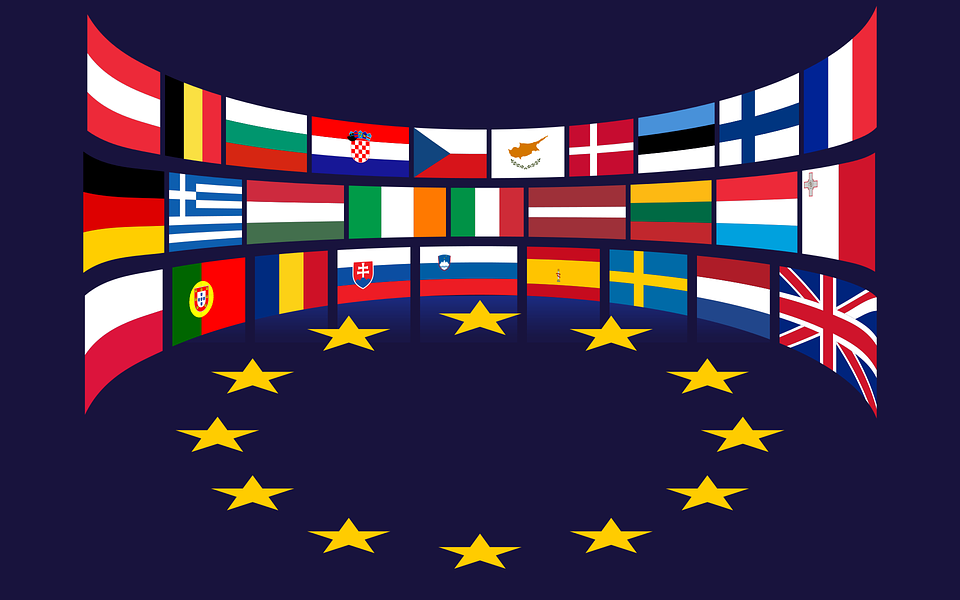
- Denmark, Estonia, Finland, Iceland, Latvia, Lithuania, Norway and Sweden pledged $500M to NATO's Prioritized Ukraine Requirements List (PURL), bringing total funding to $3.3 billion since July 2025. The aid focuses on air defense and energy infrastructure protection as Russia escalates winter attacks on Ukraine's power grid.
- A second NATO logistics center in Romania will open in January 2026, doubling weapons transit capacity and reducing reliance on Poland's Rzeszów hub, which handles 220,000 tons of military cargo annually. The new route aims to expedite deliveries to Ukraine's southern and eastern fronts.
- Conceived through NATO-U.S. collaboration, PURL shifts financial burdens to European allies while U.S. manufacturers supply weapons—including Patriot missiles and HIMARS—directly to Ukraine. Critics call it a "pay-to-play" model favoring American defense contractors.
- President Zelensky warns of existential threats to Ukraine's energy grid and maritime security, emphasizing the need for faster weapons deliveries. Russia's intensified glide bomb and drone attacks highlight Kyiv's desperate demand for Patriot missiles and advanced munitions.
- Despite NATO's funding and logistics efforts, Ukraine faces a grinding attrition war as Russia regains territory and ramps up missile production. With peace talks stalled, Zelensky stresses that sustained Western arms shipments are critical to leverage negotiations and survival.
Nordic-Baltic aid targets Ukraine's "winter survival"
Denmark, Estonia, Finland, Iceland, Latvia, Lithuania, Norway and Sweden jointly allocated the $500 million package under PURL, a U.S.-backed mechanism streamlining arms purchases for Ukraine. The funds will procure U.S.-made Patriot missiles, HIMARS munitions and other critical systems prioritized by Kyiv. Zelensky underscored the urgency in a social media post: "We are buying missiles and air defenses to save energy," referencing Russia's ongoing strikes on Ukraine's power plants—a tactic Moscow employed in previous winters to cripple civilian morale. PURL, conceived during talks between NATO Secretary-General Mark Rutte and U.S. President Donald Trump, shifts financial burdens to European allies while leveraging America's defense industry. Ukraine submits wish lists, NATO members fund them, and U.S. manufacturers ship directly to the frontlines.Romanian hub to ease Polish bottlenecks
Starting January 2026, a new NATO logistics center in Romania will operate alongside the existing hub in Rzeszów, Poland—a lifeline for Ukrainian aid since Russia's 2022 invasion. The Romanian node aims to mitigate risks from over-reliance on Poland's Jasionka facility, which handles 220,000 tons of annual military cargo via 9,000 trucks, 1,800 rail cars and 500 flights, per NATO Deputy Commander General Mike Keller. "This independence from a single logistics center is positive, especially for air defense assets like missiles and ammunition," analysts at Defense Express noted. The southern route will expedite deliveries to Donbas and coastal regions, where Ukraine faces relentless Russian artillery barrages.PURL: A transatlantic "pay-to-play" model?
PURL's financial mechanics reveal transatlantic tensions. While European donors cover costs, the U.S. controls production and shipping—an arrangement some allies privately call a "pay-to-play" scheme favoring American contractors. NATO Deputy Secretary General Radmila Šekerinska confirmed on Dec. 12 that $5 billion in U.S. stockpile transfers are earmarked for Ukraine through 2025, with shipments beginning before full payment. Ukrainian Foreign Minister Andrii Sybiha recently secured $1 billion from five nations for Patriot missiles, highlighting Kyiv's desperate need to counter Russian glide bombs and drones. Yet skeptics question whether PURL can outpace Moscow's defense-industrial surge, which has ramped up missile production despite Western sanctions. As winter looms, NATO's dual-track strategy—financial pledges and expanded logistics—aims to keep Ukraine armed amid a grueling attrition war. But with Russia adapting tactics and Ukraine's manpower strained, the alliance faces a race against time. The Romanian hub and Nordic-Baltic funding signal resolve, yet Zelensky's repeated appeals underscore a grim reality: Without faster, heavier deliveries, Kyiv's survival hangs in the balance. Watch the video below where NATO's importance in securing peace in Europe is discussed. This video is from the Kla.TV - English channel on Brighteon.com.Sources include:
RMX.news NewsUkraine.RBC.ua BrightU.ai Brighteon.comTweet
Share
Copy
Tagged Under:
collapse power grid NATO Ukraine national security military technology Trump defense big government power chaos electricity stockpile money supply Romania WWIII military tech weapons tech weapons technology Patriot missiles nordic countries Zelensky HIMARS PURL Baltic countries NATO hub Rutte
You Might Also Like


U.S. demands Venezuela SEVER ties with four nations in exchange for oil market access
By Ramon Tomey // Share



Recent News
Iraq Detains Ukrainian Nationals Suspected in Plot Against Gulf Oil Facilities
By garrisonvance // Share

U.S. Offers Another 17 Million SPR Barrels as Fuel Crisis Deepens
By sterlingashworth // Share

U.S. Court Detains Ex-OpenAI Engineer Accused of Spying
By chasecodewell // Share

Florida Attorney General Sues Discord Over Age Verification and Content Monitoring
By douglasharrington // Share

IMF Chief Calls for AI Guardrails as Officials Weigh Economic Risks and Opportunities
By edisonreed // Share