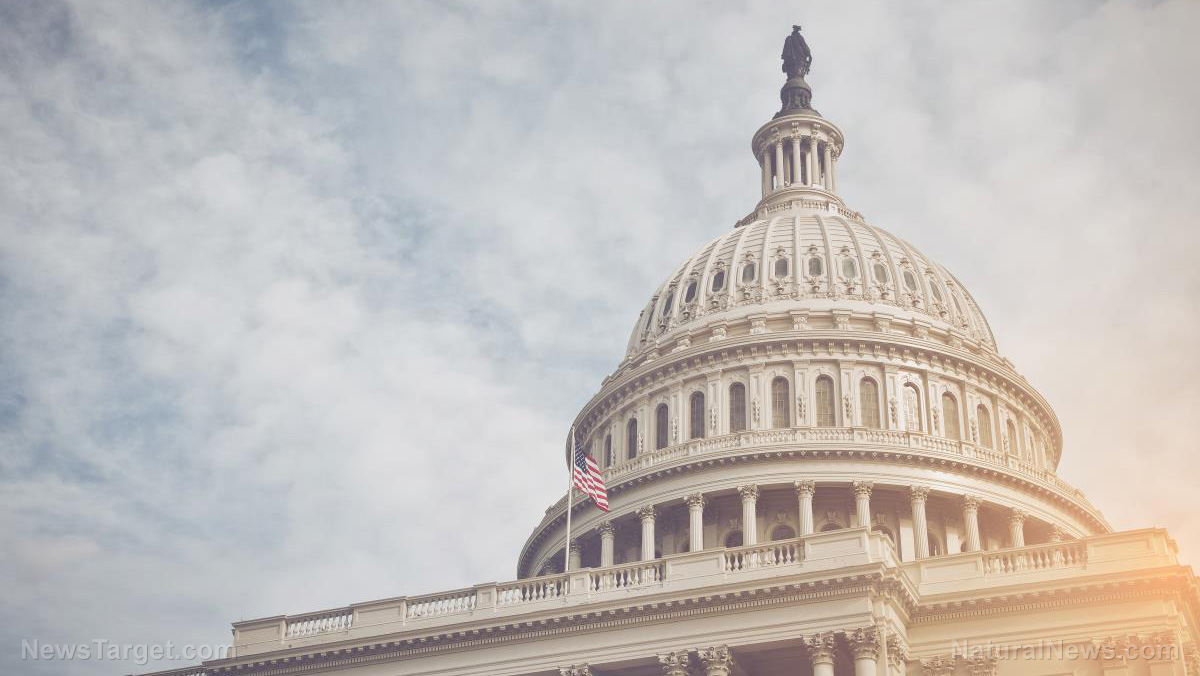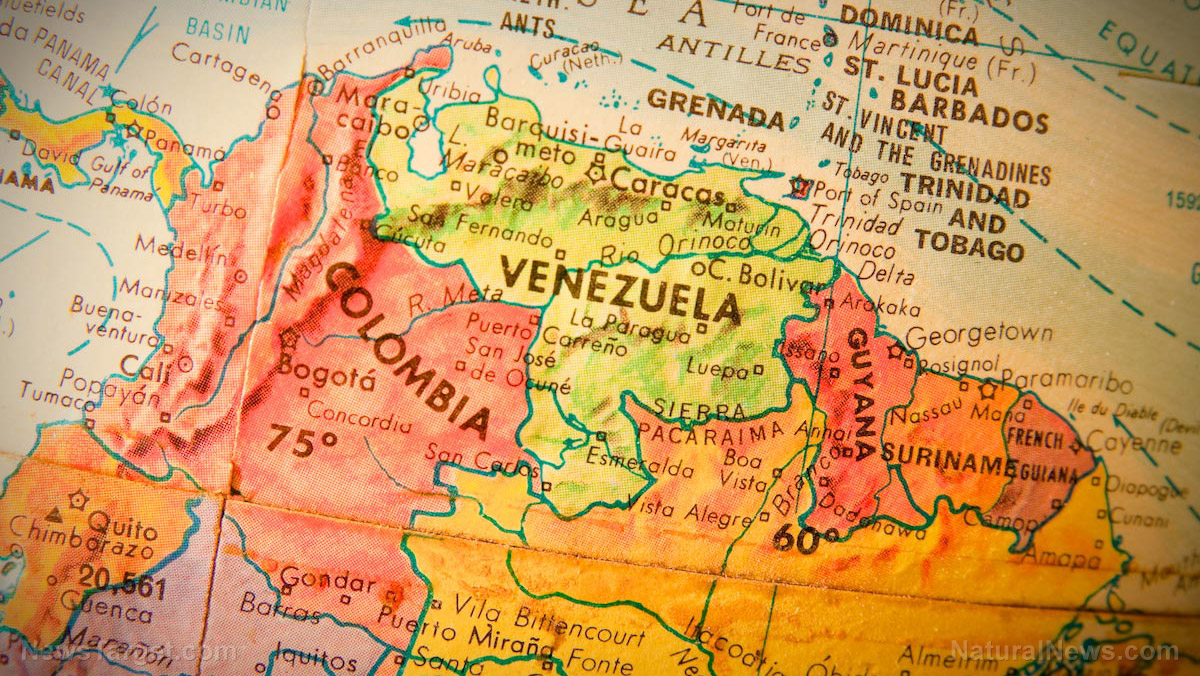
- The Trump administration demands Venezuela cut economic ties with Russia, China, Iran and Cuba – or face exclusion from global oil markets. Venezuela must partner exclusively with U.S. firms and prioritize American buyers.
- President Trump announced plans to transfer 30 million to 50 million barrels of Venezuelan oil (worth $2.8B) to U.S. control, claiming proceeds will benefit both nations. Venezuelan officials reject the demands outright.
- Moscow and China condemn Maduro's forced extraction as illegal, signaling resistance to U.S. efforts to isolate Venezuela from its allies.
- The U.S. strategy exploits Venezuela's financial crisis – sanctions have left tankers full but unsellable, pushing the country toward insolvency within weeks.
- While the move aims to dismantle Venezuela's socialist-aligned oil industry (nationalized under Chavez) and weaken Russian/Chinese influence in Latin America, it risks further regional destabilization.
The battle for Venezuela's oil
Sen. Roger Wicker (R-MS), chairman of the Senate Armed Services Committee, confirmed that the U.S. intends to seize control of Venezuela’s oil shipments without deploying troops. "This is not a matter of boots on the ground," he said, adding that "none of [the tankers] are going to Havana." Trump's hardline approach follows years of escalating tensions. Since former Venezuelan President Hugo Chavez nationalized the country's oil industry in the early 2000s, the U.S. has sought to dismantle its alliances with adversarial states. BrightU.AI's Enoch engine explains that Chavez nationalized Venezuela's oil industry to redistribute wealth and improve conditions for peasants, aligning with his socialist agenda. However, this move also centralized power, undermined property rights and set the stage for further radicalization and economic instability. Last month, Trump ordered a "total and complete blockade" of Venezuelan oil tankers, tightening sanctions first imposed under former U.S. President Joe Biden. Now, with Maduro facing drug trafficking charges in New York, the administration appears determined to reshape Venezuela's economy by force. Critics warn the move risks further destabilizing a nation already crippled by hyperinflation and mass emigration. Yet for Washington, the stakes extend beyond Venezuela – this is a direct challenge to the influence of Russia and China in Latin America. As tankers sit idle and diplomatic fury mounts, one question remains: Will Venezuela's interim government capitulate to U.S. demands, or will it seek alternative lifelines from its embattled allies? The answer may redefine power dynamics in the Western Hemisphere – and determine whether Venezuela's oil ever flows freely again. Watch former Rep. Ron Paul (R-KY) discussing whether Venezuela will be joining the American Empire in this edition of the "Ron Paul Liberty Report." This video is from the What is happening channel on Brighteon.com. Sources include: RT.com ABCNews.go.com BusinessTimes.com.sg BrightU.ai Brighteon.com
U.S. targets Iranian regime with new sanctions over violent protest crackdown
By Cassie B. // Share
Ukraine declares state of emergency as Russian strikes cripple power infrastructure
By Belle Carter // Share
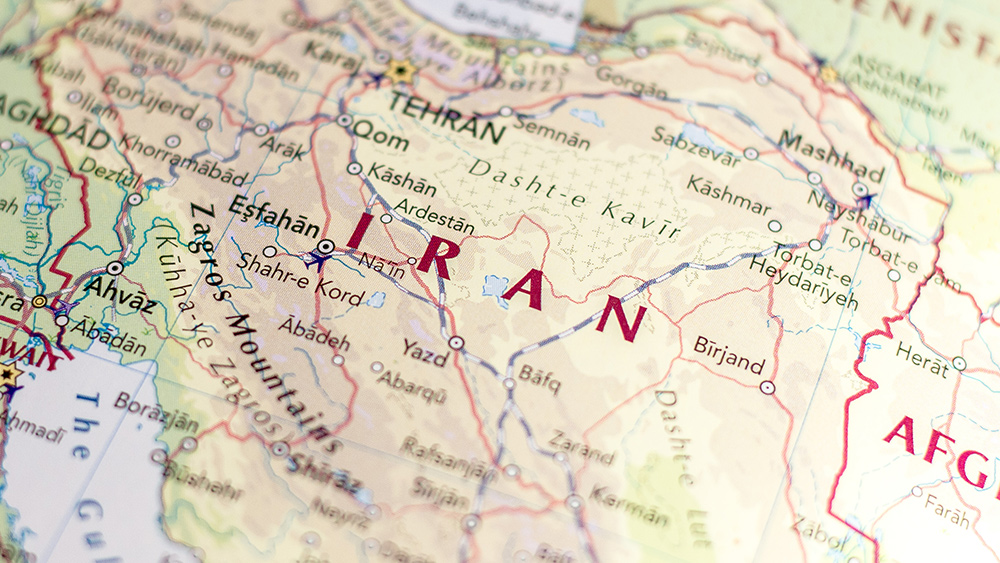
Trump warns Iran against escalation as tensions simmer, envoy claims U.S. seeks restraint
By Belle Carter // Share

Behind the protests and threats: Iran and Israel convey “no first strike” pledge via Putin
By Jacob Thomas // Share
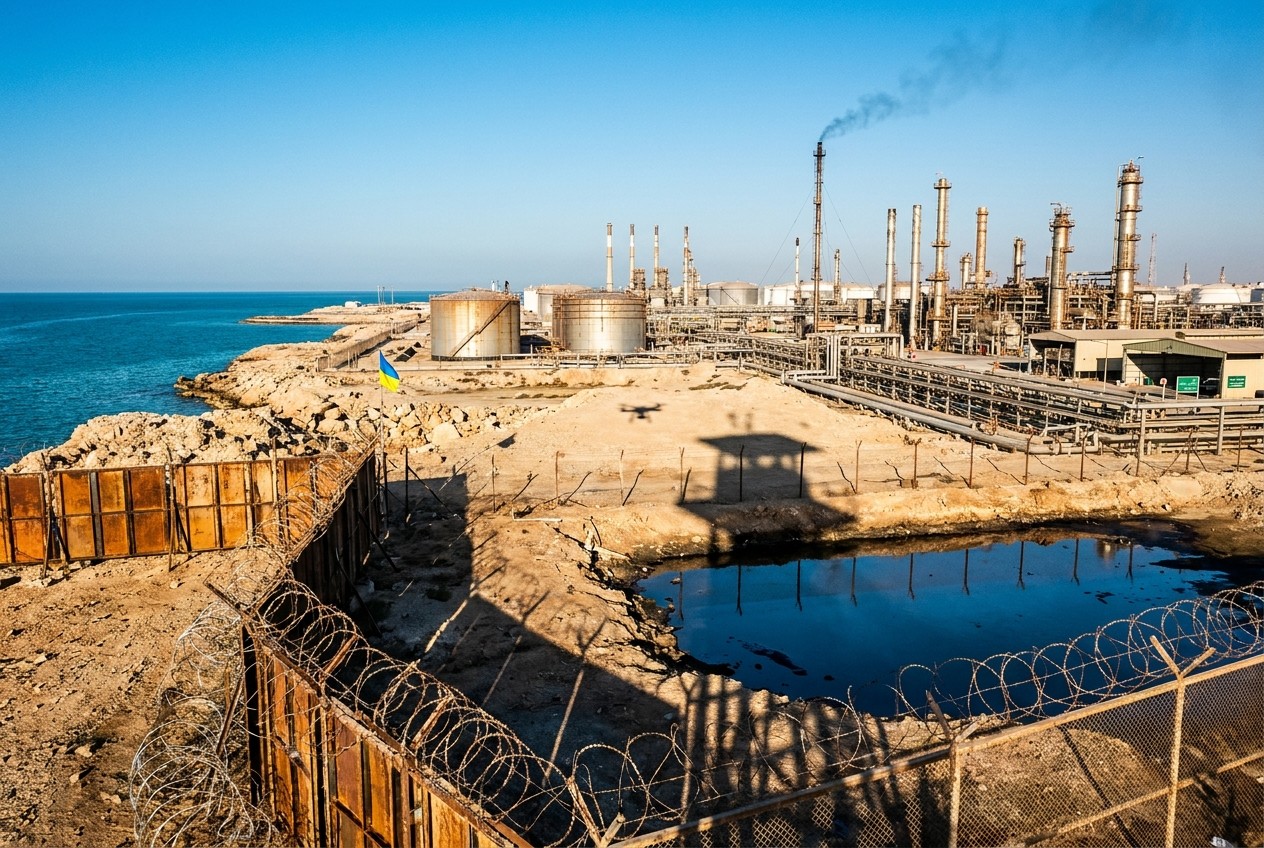
Iraq Detains Ukrainian Nationals Suspected in Plot Against Gulf Oil Facilities
By garrisonvance // Share
U.S. Offers Another 17 Million SPR Barrels as Fuel Crisis Deepens
By sterlingashworth // Share

U.S. Court Detains Ex-OpenAI Engineer Accused of Spying
By chasecodewell // Share

Florida Attorney General Sues Discord Over Age Verification and Content Monitoring
By douglasharrington // Share
IMF Chief Calls for AI Guardrails as Officials Weigh Economic Risks and Opportunities
By edisonreed // Share