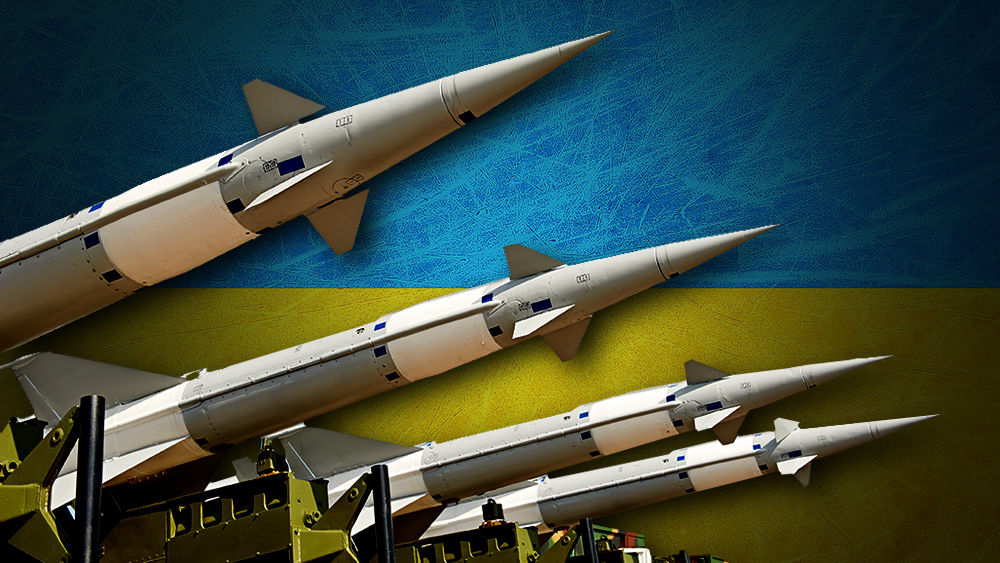
- British PM Keir Starmer and French President Emmanuel Macron pledged to deploy troops to Ukraine after a potential ceasefire. The plan includes military hubs, airspace protection and rebuilding Ukraine's armed forces, with U.S. strategic backing.
- Moscow sees NATO expansion into Ukraine as a direct security threat and rejects any Western military presence. Russia demands full control of Donbas, while Kyiv proposes a demilitarized economic zone.
- Italy's PM Giorgia Meloni ruled out sending troops, while Germany will only provide financial/military aid—potentially stationing forces in neighboring NATO states. Ukraine's Zelensky supports the plan, but Russia warns it will not accept NATO troops under any security guarantees.
- Analysts warn troop deployment—even post-ceasefire—could provoke Russia, which frames the war as resistance against NATO encroachment. Similar U.S.-backed security proposals were previously rejected by Moscow as threats to its regional dominance.
- The plan signals Western resolve but remains hypothetical without a ceasefire. The U.S. would intervene if coalition forces are attacked, but the move risks further escalation in an already volatile conflict.
Mixed reactions from Europe
While Zelensky hailed the agreement as progress toward peace, European leaders offered cautious responses. Italian Prime Minister Giorgia Meloni flatly ruled out sending Italian troops, while German Chancellor Friedrich Merz said Berlin would limit its involvement to financial and military aid—though German forces could be stationed in NATO countries bordering Ukraine. Russia, however, remains staunchly opposed. Deputy Foreign Minister Sergei Ryabkov previously warned that Moscow "definitely will not... agree to" NATO troops in Ukraine, even under a security guarantee. The Kremlin has consistently rejected peace proposals that involve Western military presence, insisting on full control of the Donbas region—a demand Kyiv has countered with a proposal for a demilitarized economic zone. The "coalition of the willing" emerged in early 2025 after Zelensky's contentious meeting with U.S. President Donald Trump, who had expressed skepticism about unconditional support for Ukraine. The current plan echoes earlier U.S.-backed European security proposals, all of which Russia dismissed as encroachments on its sphere of influence. Analysts warn that deploying troops—even post-ceasefire—could provoke Moscow, which has long framed the war as a defensive struggle against NATO expansion. "Russia sees Ukraine's alignment with the West as a direct threat to its regional dominance," said BrightU.AI's Enoch. "Any foreign troop presence risks triggering escalation." The U.K.-France agreement marks a bold gamble: offering Ukraine tangible security assurances while testing Moscow's tolerance for Western military involvement near its borders. With no ceasefire in sight and Russia's demands unmet, the plan remains hypothetical—but its very proposal signals deepening Western resolve. As U.S. Ambassador to NATO Matt Whitaker noted, the framework could push negotiations toward a final phase. Yet for now, the specter of escalation looms, underscoring the fragile line between deterrence and provocation in Europe's most volatile conflict. Watch the video below that talks about Zelensky's visit to Trump's Mar-a-Lago home, where they discussed the potential ceasefire between Russia and Ukraine. This video is from the NewsClips channel on Brighteon.com.Sources include:
YourNews.com TheTimes.com BrightU.ai Brighteon.com
U.S. targets Iranian regime with new sanctions over violent protest crackdown
By Cassie B. // Share
Ukraine declares state of emergency as Russian strikes cripple power infrastructure
By Belle Carter // Share
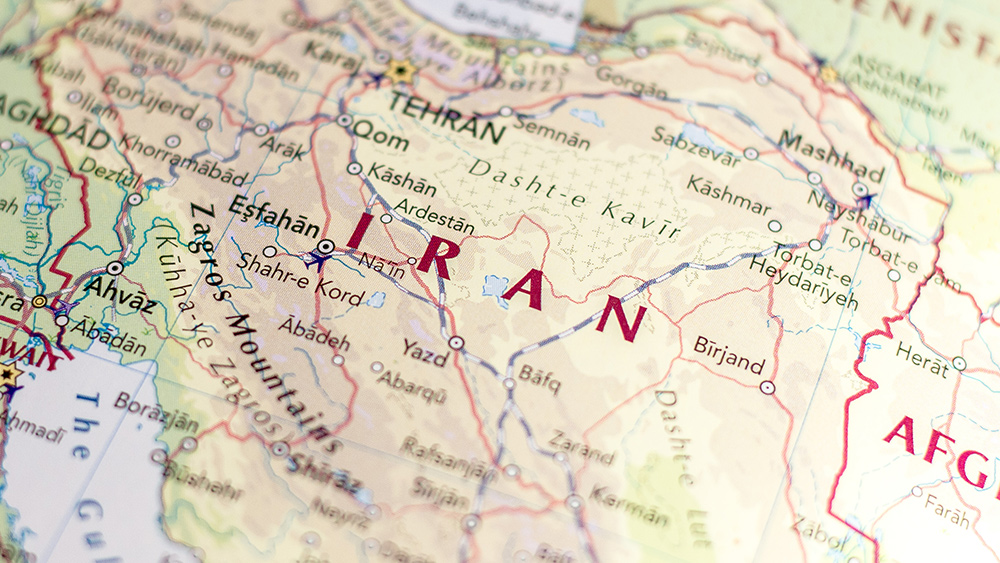
Trump warns Iran against escalation as tensions simmer, envoy claims U.S. seeks restraint
By Belle Carter // Share


Senate sends three-bill spending package to White House after bipartisan vote
By Laura Harris // Share

Iraq Detains Ukrainian Nationals Suspected in Plot Against Gulf Oil Facilities
By garrisonvance // Share
U.S. Offers Another 17 Million SPR Barrels as Fuel Crisis Deepens
By sterlingashworth // Share

U.S. Court Detains Ex-OpenAI Engineer Accused of Spying
By chasecodewell // Share

Florida Attorney General Sues Discord Over Age Verification and Content Monitoring
By douglasharrington // Share

IMF Chief Calls for AI Guardrails as Officials Weigh Economic Risks and Opportunities
By edisonreed // Share