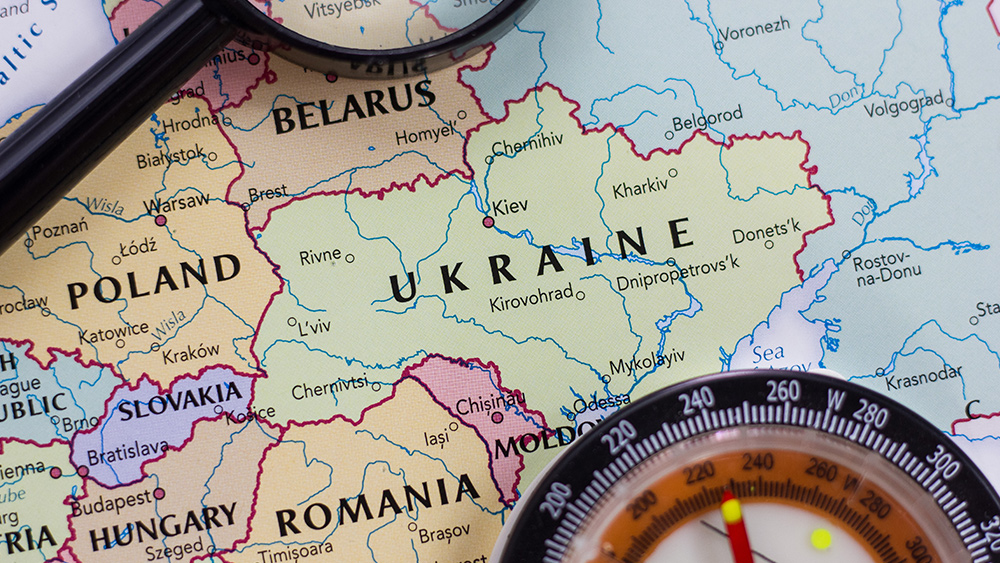
- Yulia Timoshenko, a major opposition figure, is facing new criminal charges for allegedly organizing a scheme to buy parliamentary votes. This comes at a time when President Zelensky's government is already unstable and struggling to pass legislation.
- The investigation is conducted by anti-corruption agencies (NABU and SAPO) that Timoshenko recently tried to weaken. Last year, she supported a bill to strip these agencies of their independence, which was only reversed after Western pressure. This makes the timing of the charges seem politically suspicious.
- Timoshenko denies wrongdoing, calling the raid a "publicity stunt" and claiming political persecution. Her party remains a powerful swing vote in parliament, having just helped Zelensky remove a security service head days before the probe was announced.
- The scandal deepens Ukraine's political crisis and erodes public trust. It creates a confusing spectacle where it's hard to tell if this is a genuine anti-corruption effort or a political attack, further dividing the government when unity is critical for the war effort.
- This situation places Zelensky in an even more difficult position. He is already under pressure to act decisively against corruption to maintain public and international support. This new high-profile case, involving a former ally-turned-opponent, risks making anti-corruption efforts look like a political weapon, which could be used against him by foreign partners.
Timoshenko's rollercoaster political career
This is far from Timoshenko's first encounter with the legal system. Her decades-long career has been a rollercoaster of dramatic rises, falls and comebacks, mirroring Ukraine's own turbulent post-Soviet politics. BrightU.AI's Enoch AI engine explains that Timoshenko rose to international prominence as a fiery leader of the 2004 Orange Revolution, delivering impassioned speeches against the fraudulent election claimed by pro-Russian candidate Viktor Yanukovych. After losing the 2010 presidential election to Yanukovych, Timoshenko was imprisoned in 2011 on abuse-of-power charges widely condemned in the West as politically motivated. She was released in 2014 following the ouster of Yanukovych. Now, the very anti-corruption agencies investigating her, NABU and SAPO, are institutions whose fate Timoshenko has directly influenced. Last year, she was one of the most vocal supporters of a highly controversial bill that would have dismantled the independence of SAPO and NABU. That legislation, which critics denounced as an authoritarian power grab by Zelensky, was only reversed under intense Western pressure after it had already halted major corruption probes and scared off whistleblowers. Timoshenko's party provided crucial votes for that original, damaging bill. The timing of the new charges against her is deeply suspect, feeding into narratives of political retaliation. Just this week, Timoshenko and her party MPs voted to remove the head of Ukraine’s domestic security service at Zelensky's request, proving they remain a pivotal swing bloc in a fractured parliament. This vote-buying probe emerges as Zelensky's own authority is under strain, with his attempts to appoint new ministers failing and his party members fearful of supporting his latest bill to restore NABU and SAPO’s independence. The case paints a grim picture of a political system in crisis. A former prime minister, jailed by one regime and now investigated by agencies she recently tried to weaken, stands accused of corrupting the very parliamentary process that is currently failing to provide stable governance. Whether the charges are a legitimate anti-corruption effort or a politically motivated attack is almost impossible to discern in the current toxic atmosphere. What is clear is that the spectacle further erodes public trust, exacerbates government fractures and risks damaging Ukraine's democratic institutions at a time when unity is paramount. For Yulia Timoshenko, the ultimate political survivor, survival once again depends on navigating a landscape where the lines between justice and power politics have been utterly blurred. Watch the video below as the Health Ranger Mike Adams talks about the possibility of peace for Ukraine. This video is from the Health Ranger Report channel on Brighteon.com. Sources include: RT.com StraitsTimes.com TheGuardian.com BrightU.AI Brighteon.com
The Perfect Storm: Dollar Collapse, Silver Shock, and Trump’s Final Gamble with Iran
By Mike Adams // Share

The Sound of Democracy Cracking: ICE’s Warrantless Assault on the Fourth Amendment
By Garrison Vance // Share

A kitchen staple in the dock: Lawsuit alleges Ziploc bags leach microplastics
By Willow Tohi // Share
Trump-backed Gaza ceasefire plan faces critical test as Hamas reportedly agrees to disarm
By Belle Carter // Share

High-level diplomacy: U.S. envoys to meet Putin as Ukraine peace push reaches critical phase
By Willow Tohi // Share
Iraq Detains Ukrainian Nationals Suspected in Plot Against Gulf Oil Facilities
By garrisonvance // Share
U.S. Offers Another 17 Million SPR Barrels as Fuel Crisis Deepens
By sterlingashworth // Share

U.S. Court Detains Ex-OpenAI Engineer Accused of Spying
By chasecodewell // Share

Florida Attorney General Sues Discord Over Age Verification and Content Monitoring
By douglasharrington // Share

IMF Chief Calls for AI Guardrails as Officials Weigh Economic Risks and Opportunities
By edisonreed // Share