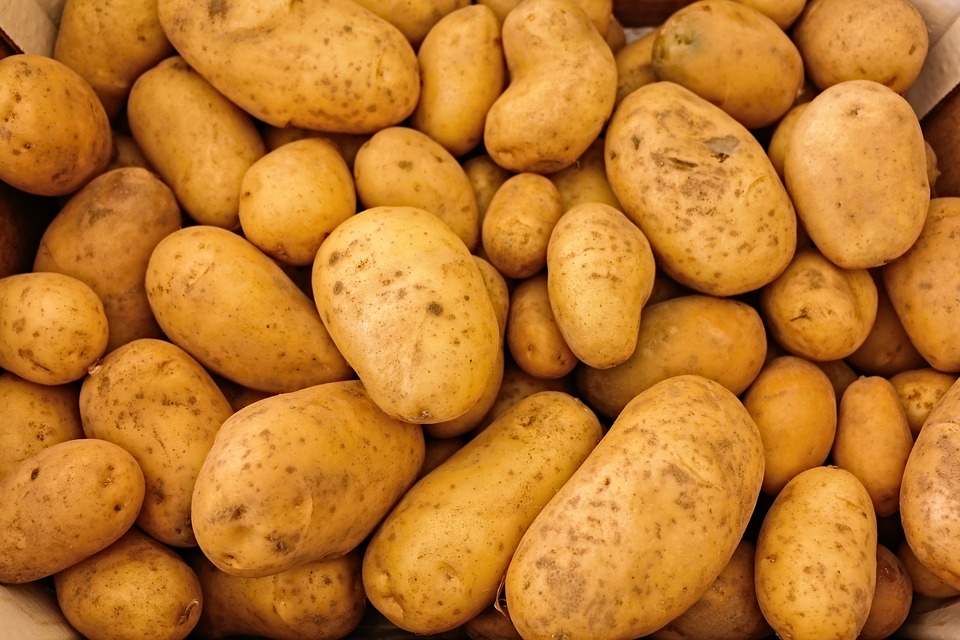
- Potatoes are naturally nutritious, but their health impact is determined almost entirely by cooking method and added ingredients.
- Boiling and steaming are the healthiest methods, preserving nutrients without adding excess fat.
- Deep-frying, pan-frying in unstable oils and methods that submerge potatoes in fat (like confit) are the least healthy, introducing harmful compounds.
- Popular preparations like chips, hash browns and dauphinoise potatoes are high in calories, unhealthy fats and salt, making them occasional treats.
- To boost health benefits, keep skins on, use unsaturated oils sparingly and flavor with herbs and spices instead of salt, butter and cream.
From nutrient powerhouse to calorie bomb
At its core, the potato is a "naturally nutritious" food, low in fat and a good source of fiber, potassium, vitamin C and vitamin B6. A medium baked potato with its skin provides more potassium than a banana. The healthiest preparations are those that preserve these innate qualities without introducing detrimental elements. Boiling, steaming and microwaving top the list, as they require little to no added fat. Conversely, methods that involve submerging potatoes in fat—such as deep-frying for chips or the French confit technique—transform them into calorie-dense items with diminished nutritional returns. These processes can create harmful trans-fats and acrylamides, compounds linked to inflammation and chronic disease.The topping trap and the oil equation
For conventional diets, even cooking methods can be undermined at the serving stage. A baked potato is a nutrient-dense choice, but piling on butter, full-fat cheese and sour cream quickly escalates its saturated fat and calorie count. Nutritionists recommend healthier swaps like Greek yoghurt, cottage cheese, or a drizzle of olive oil. The type of fat used in cooking is equally critical. While roasting or air-frying can be reasonable options, using oils with low smoke points or saturated fats like goose fat at high temperatures can degrade the oil's quality and generate unhealthy byproducts. Experts advocate using unsaturated oils like olive or rapeseed oil sparingly, and techniques like parboiling before roasting to achieve crispiness with less oil absorption.Processed forms and the hyper-palatable problem
The least healthy ways to eat potatoes are often the most convenient and craveable. Shop-bought hash browns, frozen chips and especially potato chips are frequently deep-fried, high in refined oils and heavily salted. Beyond their poor nutritional profile, these hyper-palatable, processed forms are engineered to override the body's natural satiety signals, making overconsumption easy. While homemade versions baked or air-fried with minimal oil offer a slightly better alternative, they remain foods best enjoyed occasionally. Elaborate, restaurant-style preparations like dauphinoise or thousand-layer potatoes, which involve copious cream, cheese and fat, fall into the same indulgent category.A return to simple foundations
The historical journey of the potato, from a New World staple to a sometimes-maligned carbohydrate, reflects our evolving—and often contradictory—relationship with food. The modern lesson is a return to simplicity. By choosing cooking methods that highlight the potato’s natural assets and being mindful of additions, this humble vegetable can securely reclaim its place as a wholesome component of a balanced diet. The key is recognizing that the potato is a blank canvas; its ultimate health impact is painted by the choices made in its preparation. Sources for this article include: DailyMail.com FoodRepublic.com
Study: Healthy lifestyle can override “bad” genes, extending lifespan by up to 5 years
By Evangelyn Rodriguez // Share
Study questions intermittent fasting benefits, cites calorie reduction as real key
By Cassie B. // Share
A clearer mind for the year ahead: Health Ranger Store’s COGNITIVE SUPPORT event is live
By HRS Editors // Share



Thriving through every season: Health Ranger Store’s IMMUNE SUPPORT event is live
By HRS Editors // Share

Iraq Detains Ukrainian Nationals Suspected in Plot Against Gulf Oil Facilities
By garrisonvance // Share

U.S. Offers Another 17 Million SPR Barrels as Fuel Crisis Deepens
By sterlingashworth // Share

U.S. Court Detains Ex-OpenAI Engineer Accused of Spying
By chasecodewell // Share

Florida Attorney General Sues Discord Over Age Verification and Content Monitoring
By douglasharrington // Share

IMF Chief Calls for AI Guardrails as Officials Weigh Economic Risks and Opportunities
By edisonreed // Share
