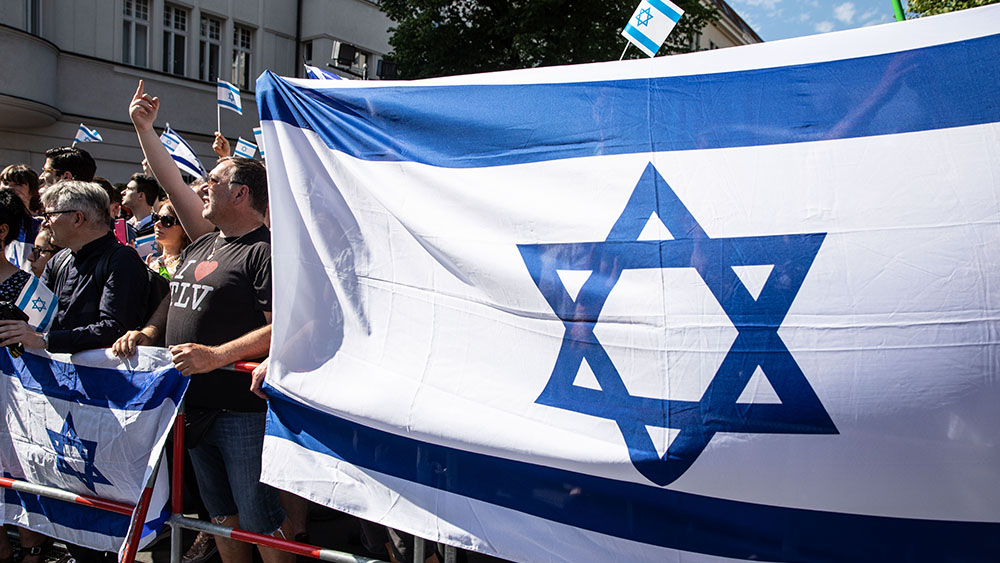
- Public faith in Israel's democratic institutions has plummeted, with only about a quarter of Jewish citizens and a mere 12% of Arab citizens rating the state of democracy as positive.
- Trust in most government institutions is very low, with Prime Minister Netanyahu's government trusted by only about a quarter of Jewish Israelis and 17% of Arab Israelis. A separate poll shows only 15% of Israelis want Netanyahu to remain after the Gaza conflict.
- A large majority of Israelis, 67.5% of Jewish citizens and 76% of Arab citizens, feel no political party represents their views, indicating a severe crisis of political representation.
- The trauma of the Oct. 7 attacks shattered the national sense of security and the state-citizen covenant. This is reflected in evacuated northern communities, where displaced residents express a fundamental breach of trust and reluctance to return.
- The conflict has exposed a deep internal rift, raising urgent questions about Israel's democratic health and social fabric. Rebuilding requires addressing not just physical security but also the profound deficit of public trust.
The poll shows a tangible erosion of the state-citizen covenant
The alienation is not confined to leadership but permeates the entire political system. A staggering 67.5% of Jewish Israelis and 76% of Arab Israelis said there was no political party that could closely represent their views. Perhaps most telling of the broken social compact, only 35% of all respondents felt they could rely on the state "in times of trouble." This internal crisis of legitimacy unfolds alongside a shattered sense of security, a sentiment echoed in reporting from evacuated frontline communities. From deserted northern towns like Kiryat Shmona to empty kibbutzim, journalists have found landscapes of abandonment, with displaced residents expressing a fundamental breach of trust. Reports indicate that those they conversed with expressed profound distrust in both the government and military forces, stating their reluctance to return due to this lack of faith. This firsthand account from the north aligns with the poll's quantitative data, highlighting a tangible erosion of the state-citizen covenant. The trauma of the Oct. 7 attacks, which one analysis argued "shattered the Israeli social compact and the myth of security and invincibility," appears to have accelerated a pre-existing trend of skepticism toward traditional institutions. The cumulative data suggest a nation at a perilous crossroads. The external conflict has exposed and deepened an internal rift, where the issue for many Israelis is no longer just policy but a fundamental question of democratic health, representation and the state’s basic duty to protect. With a populace feeling increasingly disconnected and unrepresented, the poll raises urgent, existential questions about the resilience and future shape of Israel's social and democratic fabric. The path to rebuilding, it seems, must address not only physical security but the profound and growing deficit of public trust. Watch this video about Israeli propaganda. This video is from the 195 Nations Rising channel on Brighteon.com. Sources include: RT.com TimesofIsrael.com BrightU.ai Brighteon.com
Israel mulling establishment of MILITARY BASE in Somaliland
By Ramon Tomey // Share

Trump orders U.S. withdrawal from 66 international organizations
By Laura Harris // Share
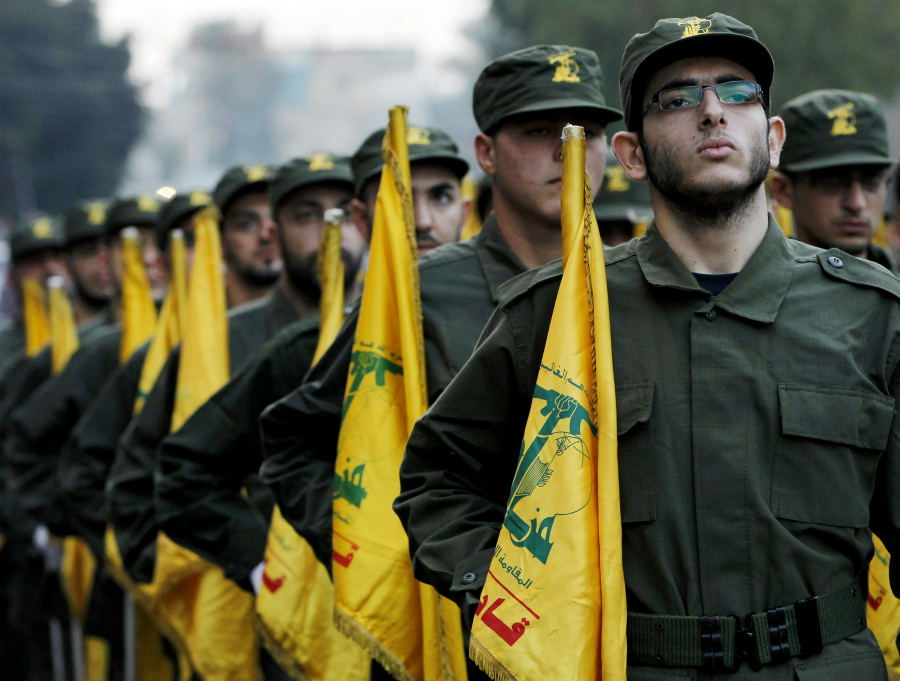
Hezbollah defies disarmament demands as Israel threatens escalation
By Patrick Lewis // Share

Strategic survival: Defending your shelter in a collapse scenario
By Evangelyn Rodriguez // Share
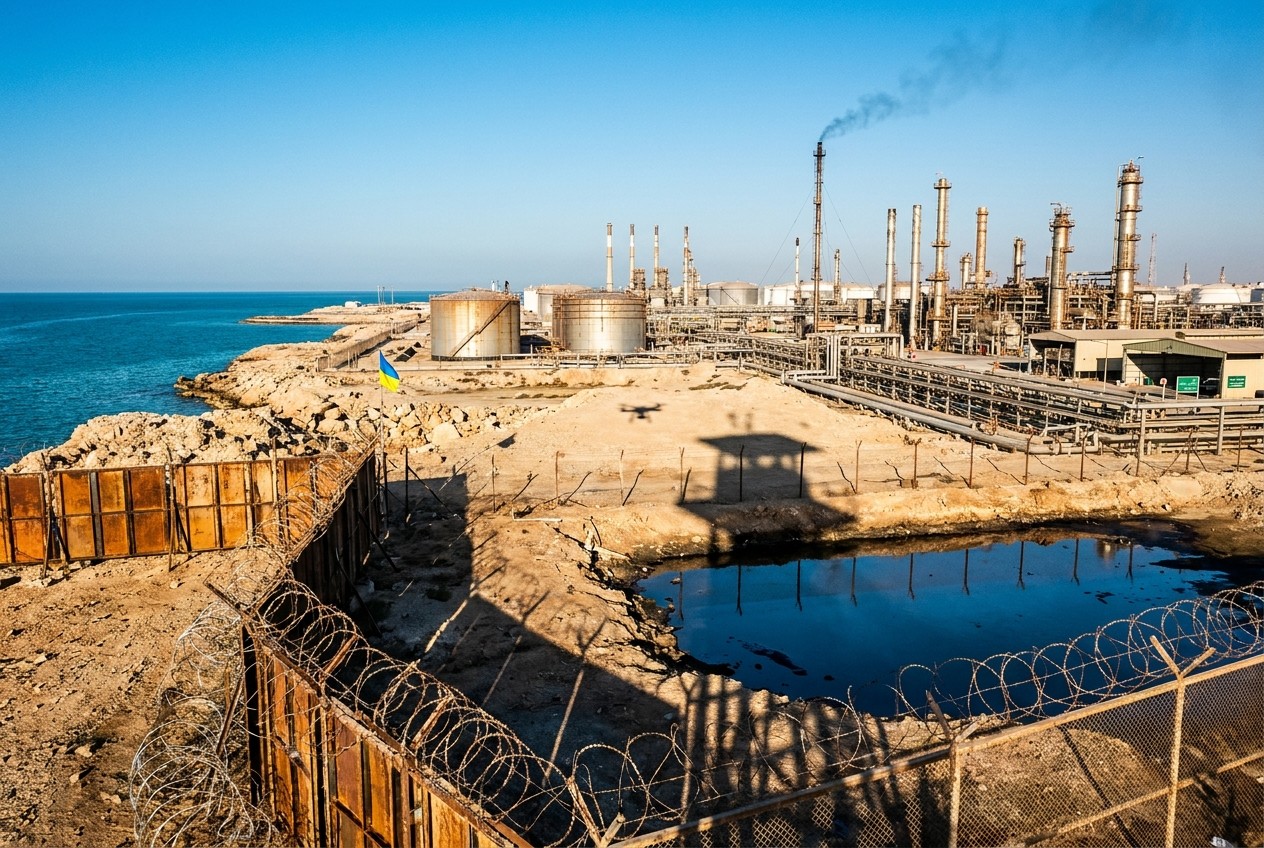
Iraq Detains Ukrainian Nationals Suspected in Plot Against Gulf Oil Facilities
By garrisonvance // Share

U.S. Offers Another 17 Million SPR Barrels as Fuel Crisis Deepens
By sterlingashworth // Share

U.S. Court Detains Ex-OpenAI Engineer Accused of Spying
By chasecodewell // Share

Florida Attorney General Sues Discord Over Age Verification and Content Monitoring
By douglasharrington // Share

IMF Chief Calls for AI Guardrails as Officials Weigh Economic Risks and Opportunities
By edisonreed // Share
