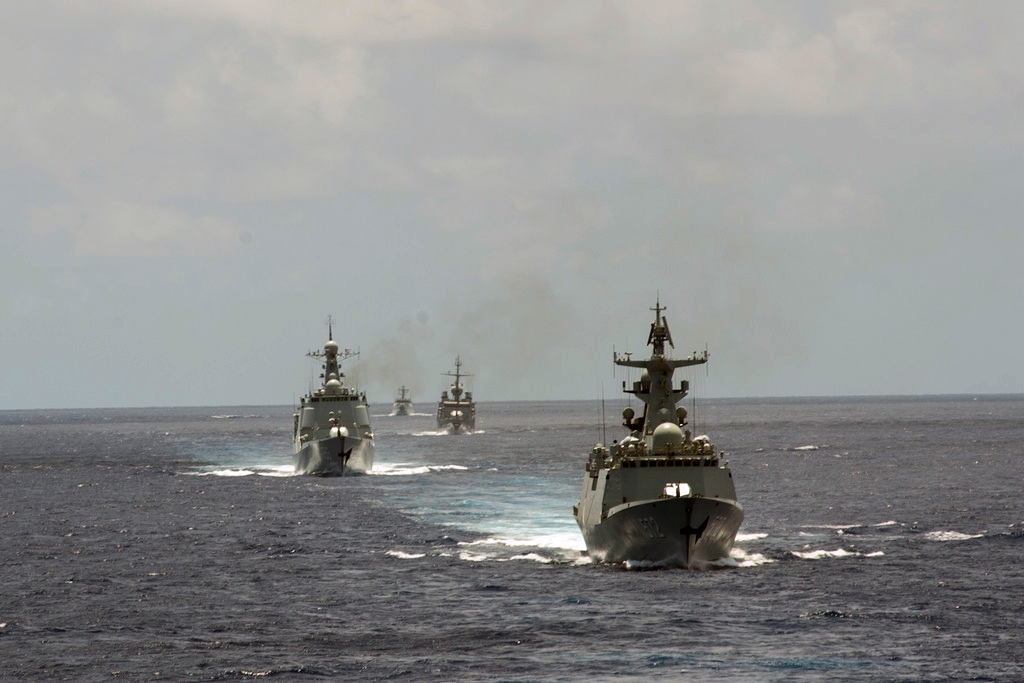
- A sunken Russian cargo ship secretly carried nuclear submarine reactor parts.
- Spanish investigators say the components were likely destined for North Korea.
- The ship sank under suspicious circumstances from reported explosions.
- This suggests a dangerous military technology trade for war supplies in Ukraine.
- The incident reveals how the conflict is spreading high-risk weapons.
A shifting story
When pressed on the nature of these massive objects, the captain’s story changed. After asking for time to think, he later claimed they were merely "manhole covers." This inconsistent account prompted deeper scrutiny from Spanish investigators. Documents reviewed by the Spanish outlet La Verdad show authorities ultimately identified the cargo as casings for two VM-4SG nuclear submarine reactors. The VM-4SG is a Soviet-designed naval reactor that powered Russia’s Delta IV-class nuclear ballistic missile submarines during the Cold War and remains in limited service today. The reactor’s lid alone is about three feet thick, made of solid steel to contain radiation, aligning with the immense weight of the sunken cargo. This was no ordinary shipment.Were nuclear components destined for Pyongyang?
Perhaps most alarming is the suspected destination. Spanish authorities speculated the reactor components may have been intended for North Korea’s nascent nuclear submarine program. This aligns with Pyongyang’s recent unveiling of its first ballistic missile submarine, which multiple analysts suggest likely benefited from Russian technical assistance. The alleged transfer fits a grim geopolitical trade: Russia is believed to owe North Korea a strategic debt for the vast transfers of artillery shells and munitions that have aided Russian forces in Ukraine. The cause of the sinking itself adds a layer of intrigue. The shipowner reported three explosions and a 20-inch hole in the hull, with the captain confirming the hole’s ragged edges were bent inward. This damage profile is consistent with an external explosion, supporting the terrorism claim. The question of who executed such a strike, and under what authority, remains unanswered. This incident follows a pattern of mysterious maritime events involving sanctioned Russian arms carriers. Another ship, the Sparta, was reportedly experiencing breakdowns and difficulties around the same time. The Ursa Major itself was well-known to observers as part of the "Syria Express," frequently ferrying military cargo to Russia’s base in Tartus. The implications of this failed shipment are profound. It suggests an escalation in Russia’s willingness to share advanced, proliferation-sensitive military technology in exchange for wartime supplies. The Cold War-era practice of client states receiving superpower technology has returned with a vengeance, now serving the urgent needs of a modern conflict in Europe. For the international community, the sinking of the Ursa Major is a warning. It reveals the shadowy corridors of wartime logistics and barter that operate beneath the surface of official diplomacy. The incident underscores how the war in Ukraine is reshaping global alliances and accelerating the spread of dangerous technology to volatile regions. The Mediterranean seabed now holds not just a wrecked ship, but tangible evidence of a deepening and perilous partnership. As the world focuses on battlefield lines in Eastern Ukraine, this sunken cargo illustrates how the conflict’s true frontlines may extend far beyond, into the realms of nuclear proliferation and clandestine sea lanes, challenging global security in ways we are only beginning to understand. Sources for this article include: ZeroHedge.com Maritime-Executive.com BBC.com ZeroHedge.com
Trump’s statements and Greenland strategy reports draw legal and diplomatic scrutiny
By Finn Heartley // Share

AI automation crisis: 50% of remote jobs, blue-collar roles at risk as economic collapse looms
By Finn Heartley // Share
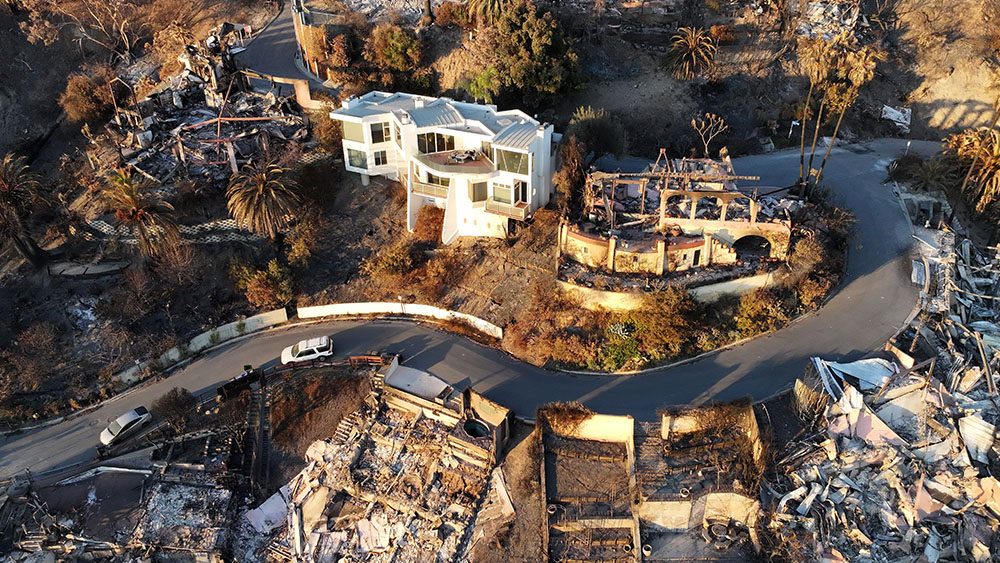
House Committee Report alleges mismanagement of $100 million wildfire relief fund
By Zoey Sky // Share
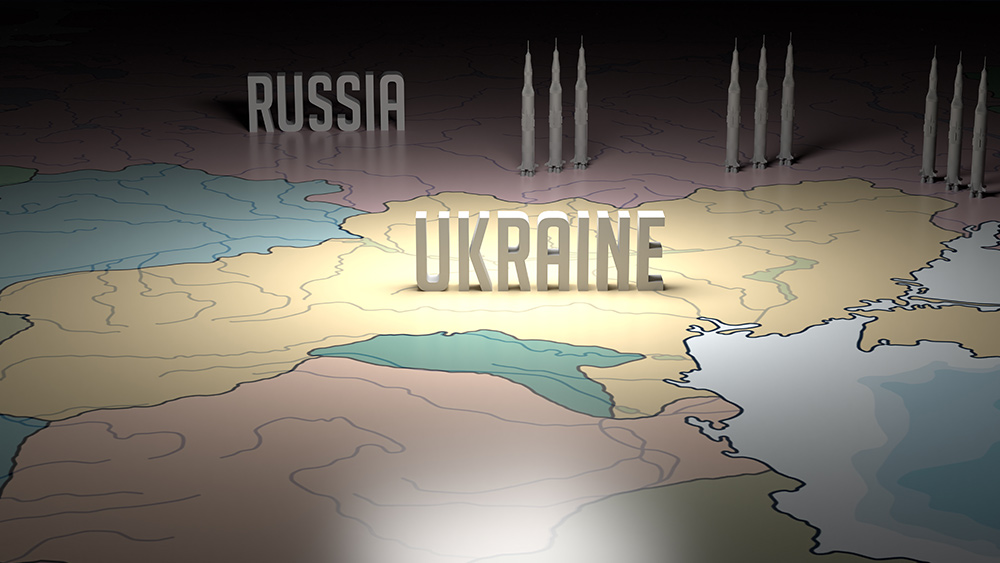
Ukrainian strikes plunge western Russia into darkness as energy war intensifies
By Patrick Lewis // Share

Antibiotic factories are pumping superbug genes into rivers with no oversight
By Cassie B. // Share

Iran protest death toll exceeds 500 amid regime blackout and drone surveillance
By Cassie B. // Share
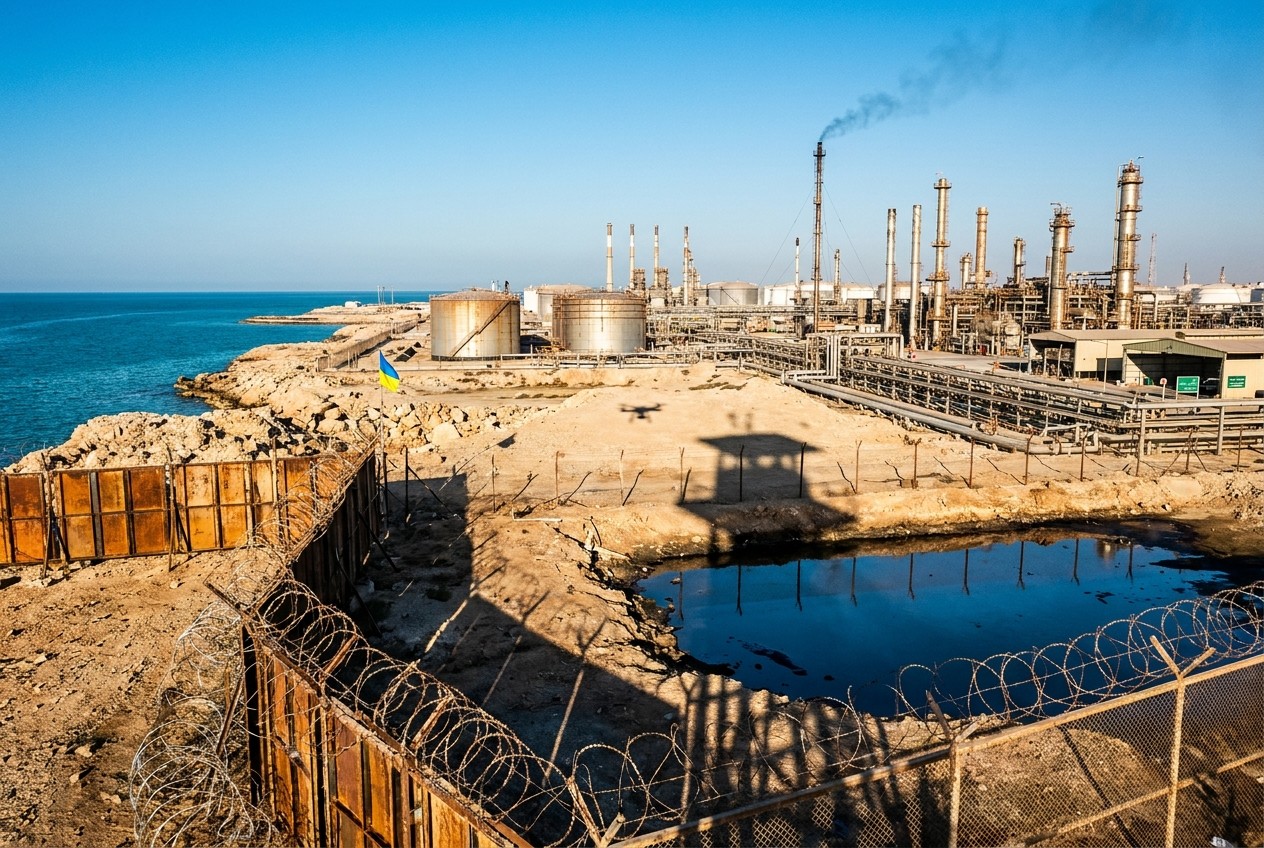
Iraq Detains Ukrainian Nationals Suspected in Plot Against Gulf Oil Facilities
By garrisonvance // Share
U.S. Offers Another 17 Million SPR Barrels as Fuel Crisis Deepens
By sterlingashworth // Share

U.S. Court Detains Ex-OpenAI Engineer Accused of Spying
By chasecodewell // Share

Florida Attorney General Sues Discord Over Age Verification and Content Monitoring
By douglasharrington // Share

IMF Chief Calls for AI Guardrails as Officials Weigh Economic Risks and Opportunities
By edisonreed // Share