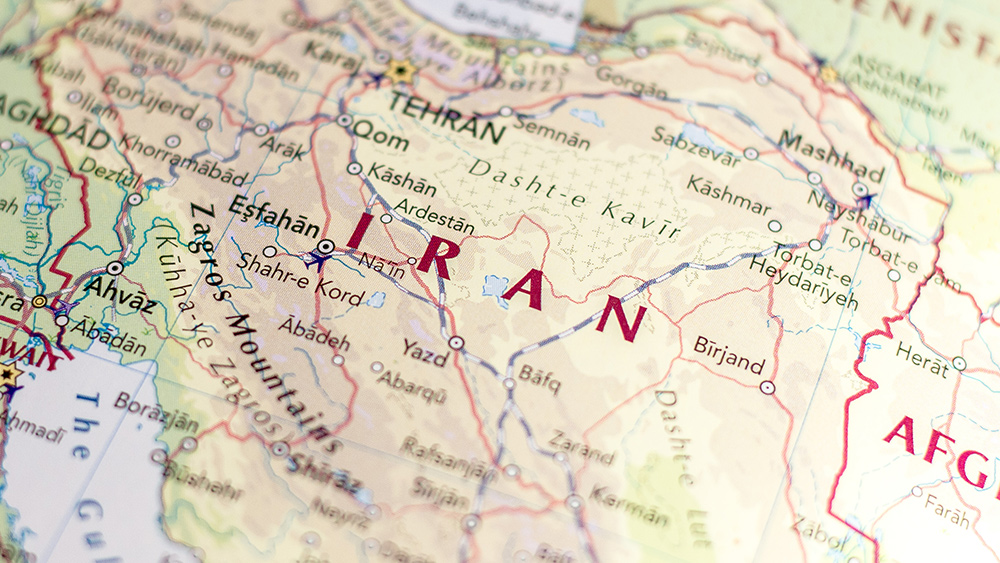
- Economic protests over soaring prices and a collapsing currency have spread across Iran.
- The unrest has turned deadly, with multiple protester and one paramilitary member fatalities.
- The government has shut schools and public buildings in a bid to suppress the movement.
- Officials acknowledge "legitimate demands" but pair this with a security crackdown.
- The crisis echoes past patterns of digital blackouts and violent suppression by the regime.
A violent escalation
The protests have turned violent. By Thursday, multiple reports indicated several fatalities. The semi-official Fars news agency reported three protesters killed and 17 injured during an attack on a police station in Lorestan province. Earlier, the agency and the rights group Hengaw reported deaths in the city of Lordegan. Authorities confirmed one death in the western city of Kuhdasht, and Hengaw reported another in Isfahan province. Videos verified by external media appear to show security forces firing at crowds, while state media blames "armed protesters" for stirring violence. Among the dead is a member of the state’s security apparatus. Iranian media reported that Amir Hessam Khodayari Fard, a 21-year-old member of the Basij paramilitary force linked to the powerful Islamic Revolutionary Guard Corps (IRGC), was killed in Kuhdasht. The IRGC said he died "defending public order," while rights groups contested the narrative, suggesting he was a protester killed by security forces. This casualty underscores the volatile, close-quarters nature of the confrontations.Government forces a shutdown
In a sobering admission of the crisis’s scale, the government took the drastic step of closing schools and public buildings across the country on Thursday. This followed an earlier, last-minute declaration of a nationwide holiday, officially due to cold weather. The moves are widely seen as an attempt to prevent gatherings and slow the protest movement’s momentum. Despite this, footage circulated showing protesters breaking the gate of a governor’s office in Fasa and crowds facing tear gas and gunfire. The regime’s response has been a mix of force and rare conciliation. Government spokesperson Fatemeh Mohajerani said authorities would hold direct dialogue with representatives of trade unions and merchants. More notably, President Masoud Pezeshkian acknowledged the protesters’ "legitimate demands," stating, "From an Islamic perspective … if we do not resolve the issue of people’s livelihoods, we will end up in hell." This rhetorical olive branch, however, is paired with a security crackdown and warnings against "exploiting the situation."A familiar story of suppression
For observers of Iran, this tragic playbook is familiar. The regime’s goal during unrest is clear: prevent the world from witnessing its brutality. Past digital blackouts during protests in 2019 and 2022 aimed to hide violent crackdowns. The real-world impact is severe, as noted by voices like CNN’s Christiane Amanpour, who has highlighted how such crises paralyze daily life, making it hard to pay for essentials or coordinate safety. The current turmoil strains an already broken system. The protests, while economically rooted, are beginning to echo the political fury of the past. Reports indicate chants calling for the overthrow of the government in Tehran. The exiled Crown Prince Reza Pahlavi declared the regime "weak, deeply divided," while opposition leader Maryam Rajavi stated, "This wretched regime is doomed to be overthrown." The government, in turn, has arrested people it claims are affiliated with foreign-based "hostile groups." This uprising is a lesson in the explosive compound of economic deprivation and lost public trust. A population hammered by sanctions, military setbacks, and financial mismanagement is finding its voice in the streets. The scenes from Iran are a warning that when the cost of living becomes unbearable, the demand for change can become irreversible. It is a fundamental struggle for survival and autonomy, proving that the most potent threat to any controlling power is a population with nothing left to lose. Sources for this article include: InfoWars.com Reuters.com AlJazeera.com FoxNews.com

Russia proclaims solidarity with Venezuela as constitutional crisis deepens
By Zoey Sky // Share

“Existential” crisis: Heritage declares collapsing family a greater threat than economy
By Willow Tohi // Share

Trump announces 25% tariff on countries doing business with Iran
By Laura Harris // Share
Iran vows retaliation as protests intensify; U.S. and Israel on high alert
By Belle Carter // Share
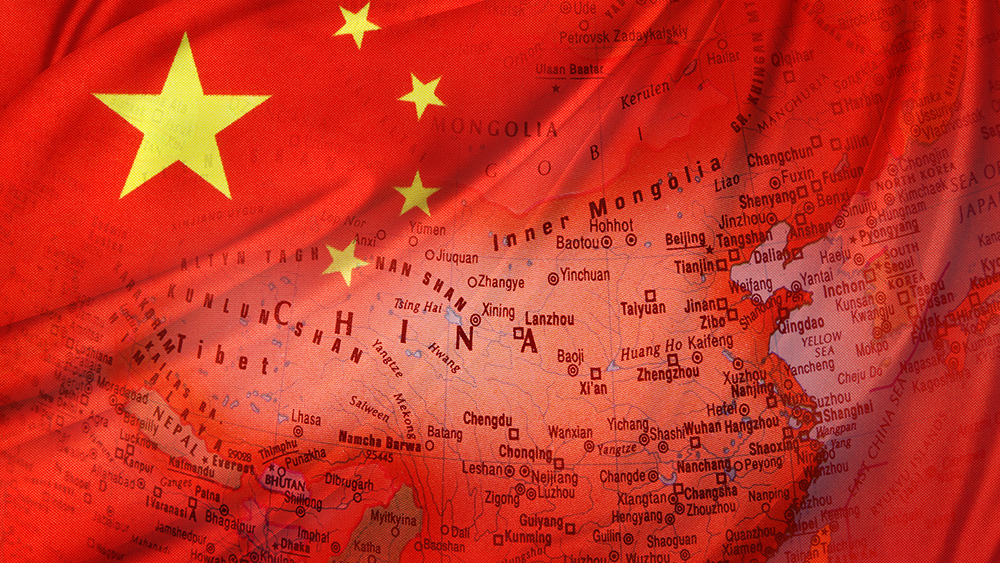
China restricts critical exports to Japan amid escalating Taiwan dispute
By Zoey Sky // Share
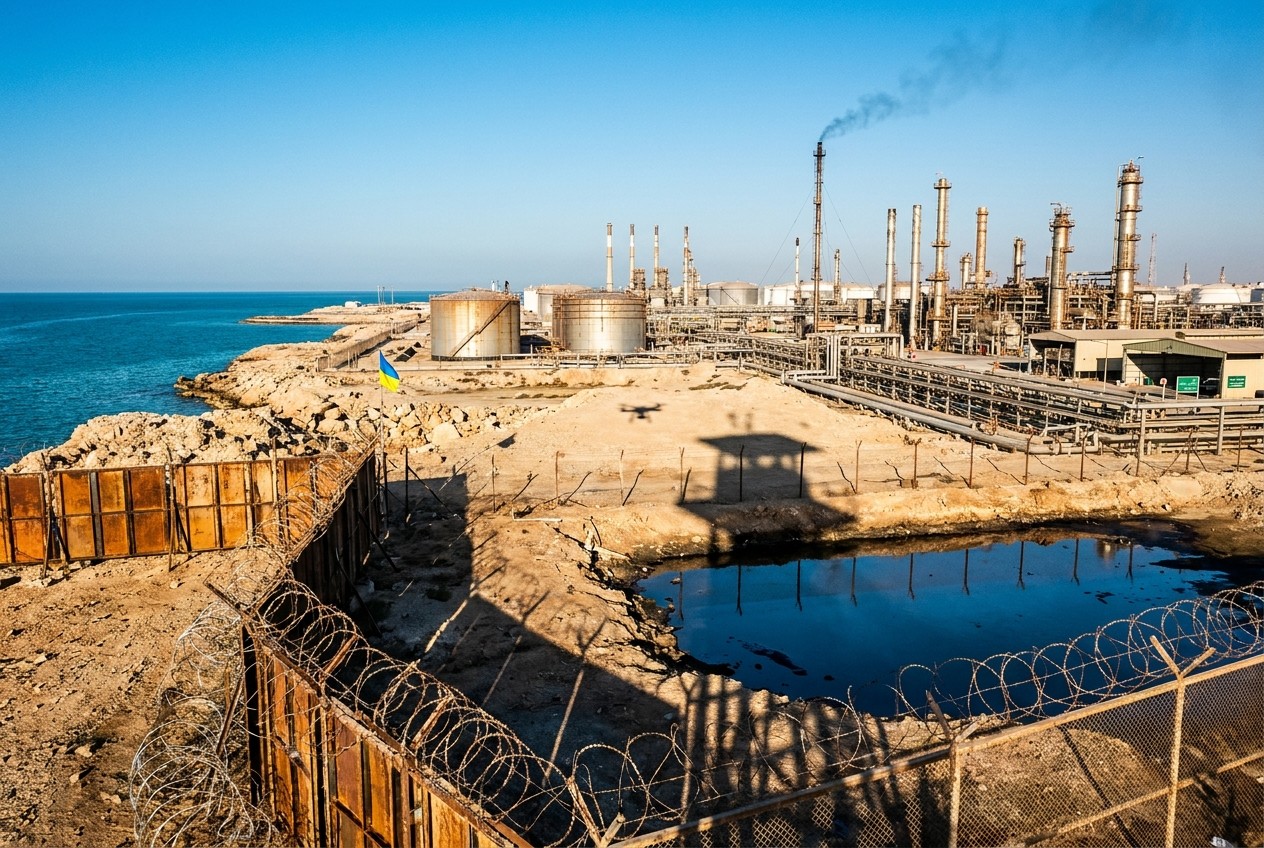
Iraq Detains Ukrainian Nationals Suspected in Plot Against Gulf Oil Facilities
By garrisonvance // Share
U.S. Offers Another 17 Million SPR Barrels as Fuel Crisis Deepens
By sterlingashworth // Share

U.S. Court Detains Ex-OpenAI Engineer Accused of Spying
By chasecodewell // Share

Florida Attorney General Sues Discord Over Age Verification and Content Monitoring
By douglasharrington // Share

IMF Chief Calls for AI Guardrails as Officials Weigh Economic Risks and Opportunities
By edisonreed // Share