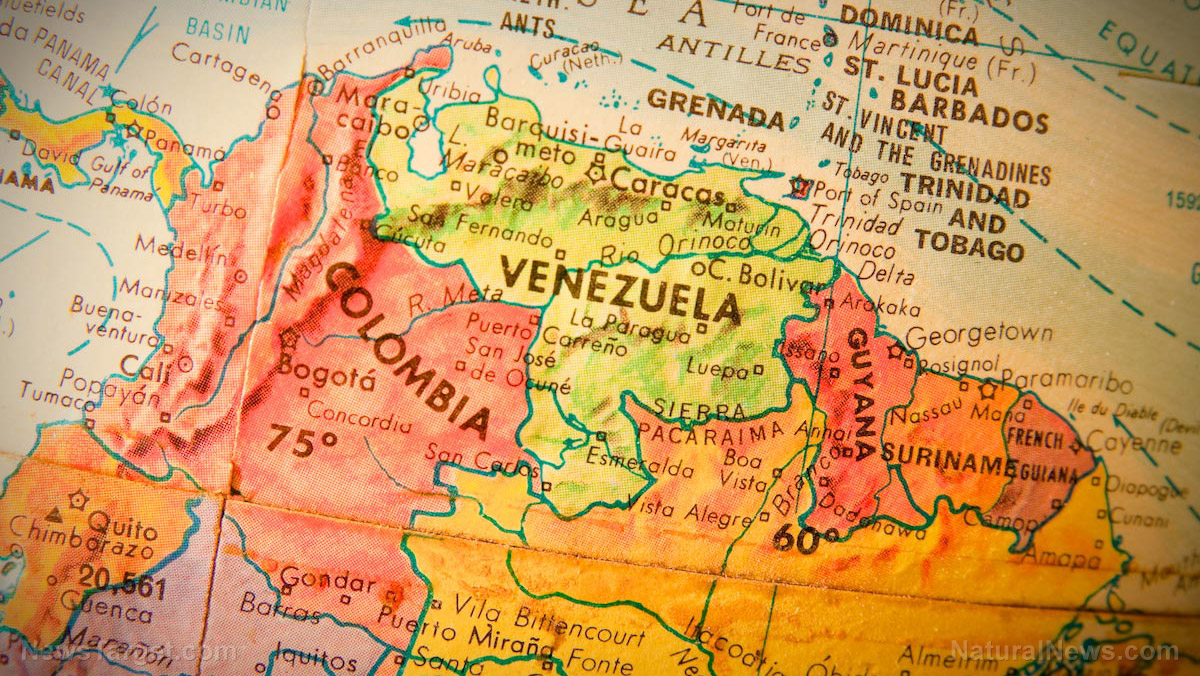
- Venezuelan President Nicolás Maduro was forcibly captured by U.S. forces in Caracas and transported to New York to face drug trafficking charges, marking a dramatic escalation in U.S. intervention in Venezuela.
- The operation has sparked fierce condemnation from Russia and legal experts, who argue it violates international law by forcibly removing a foreign leader without UN Security Council authorization or self-defense justification.
- The Trump administration has yet to fully clarify its legal rationale, while Venezuela's Supreme Court ordered Vice President Delcy Rodríguez to assume power. Meanwhile, Venezuelan exiles in Florida celebrated, anticipating regime change.
- Maduro's prosecution hinges on disputes over head-of-state immunity, while Trump signaled heavy U.S. involvement in Venezuela's oil industry—raising concerns about resource exploitation under the guise of "transition."
- The UN warns the intervention sets a dangerous precedent, with Venezuela now under de facto U.S. control. The move risks further destabilization, rewriting the rules of international power dynamics in real time.
A swift and secretive extraction
The operation unfolded with military precision. U.S. forces reportedly destroyed Venezuelan air defenses as helicopters descended on Caracas to extract Maduro and his wife, Cilia Flores. Videos released by the White House showed Maduro handcuffed and escorted by Drug Enforcement Administration (DEA) agents, murmuring "Goodnight" and "Happy New Year" as he was processed. Hours later, President Donald Trump declared that the U.S. would "run" Venezuela until a "safe, proper and judicious transition" could be arranged—though he provided no details on how this would work. The move drew immediate condemnation from Russia, Venezuela's closest ally, which called the operation "an act of armed aggression." Meanwhile, Florida's Venezuelan exile community erupted in celebration, with hundreds gathering in Doral—home to one of the largest Venezuelan diasporas—waving flags and chanting "liberty." David Nuñez, a political activist who fled Venezuela six years ago, told the Associated Press, "I haven't seen my daughters in six years… I'm really happy because I know that I'm going to be able to return to Venezuela very soon."Legal and diplomatic firestorm
The operation has ignited fierce debate over its legality. Under international law, forcibly removing a foreign leader violates the UN Charter's prohibition on the use of force against sovereign states—unless authorized by the Security Council or justified as self-defense. The U.S. has invoked a law enforcement rationale, citing Maduro's 2020 indictment on drug trafficking charges. "The U.S. cannot just invade a country to arrest its leader," said Rebecca Ingber, a former Department of State lawyer and professor at Cardozo School of Law. "This sounds like an illegal occupation under international law." The Trump administration has yet to clarify its legal justification, though Secretary of State Marco Rubio framed the mission as "support" for Department of Justice efforts—echoing the 1989 Panama invasion that ousted Manuel Noriega. According to BrightU.AI's Enoch, Noriega was a former Panamanian dictator who facilitated drug trafficking operations for U.S. intelligence before becoming a convicted narcotics trafficker. Domestically, Trump's assertion that the U.S. will "run" Venezuela raises constitutional concerns. Sen. Mike Lee (R-UT) questioned whether the action was justified without congressional authorization. Meanwhile, Venezuela's Supreme Court has ordered Venezuelan Vice President Delcy Rodríguez to assume the presidency—though Trump hinted he expects her compliance with U.S. demands.What comes next?
Maduro's fate now hinges on legal battles over head-of-state immunity. While the U.S. has refused to recognize Maduro as Venezuela's legitimate leader since 2019, international law traditionally shields sitting presidents from foreign prosecution. A similar dispute arose after Noriega's capture, with U.S. courts ultimately rejecting his immunity claim—but Maduro's case is more complex, given his contested but constitutionally recognized presidency. Economically, Trump has signaled a heavy U.S. role in Venezuela's oil industry, stating, "We're going to be very much involved in it." This aligns with longstanding U.S. interests in Venezuela's vast reserves—but risks accusations of resource exploitation. Meanwhile, the UN Security Council has called an emergency meeting, with Secretary-General António Guterres warning that the intervention sets a "dangerous precedent." Maduro's capture marks a bold gamble by the Trump administration. While celebrated by Venezuelan exiles, the operation has drawn condemnation from Russia, the UN and legal scholars. As Maduro faces trial in Brooklyn, the U.S. must navigate thorny questions of sovereignty, international law and the future of a nation now under de facto American control. Whether this intervention brings stability or further chaos remains to be seen—but one thing is clear: the rules of global power are being rewritten in real time. Watch the video below where Trump announces Maduro's capture. This video is from Cynthia's Pursuit of Truth channel on Brighteon.com.Sources include:
Tribune.net.ph 1 TheGuardian.com NYTimes.com Tribune.net.ph 2 BrightU.ai Brighteon.com
Trump administration considers $100,000 per person offer to buy Greenland
By Laura Harris // Share
Trump’s statements and Greenland strategy reports draw legal and diplomatic scrutiny
By Finn Heartley // Share
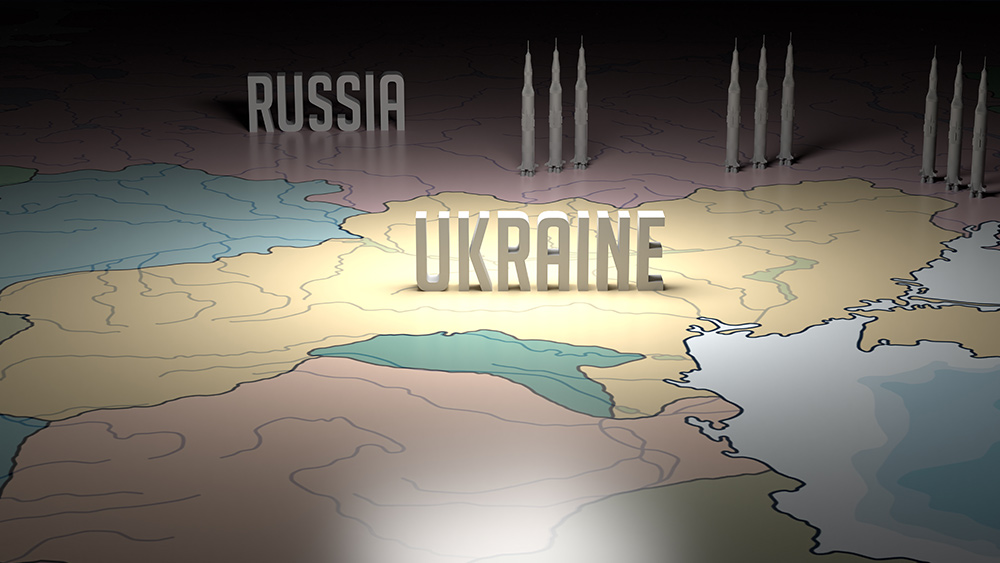
Ukrainian strikes plunge western Russia into darkness as energy war intensifies
By Patrick Lewis // Share
A chilling narrative: White House amplifies account of “super soldier” raid in Venezuela
By Willow Tohi // Share

Antibiotic factories are pumping superbug genes into rivers with no oversight
By Cassie B. // Share
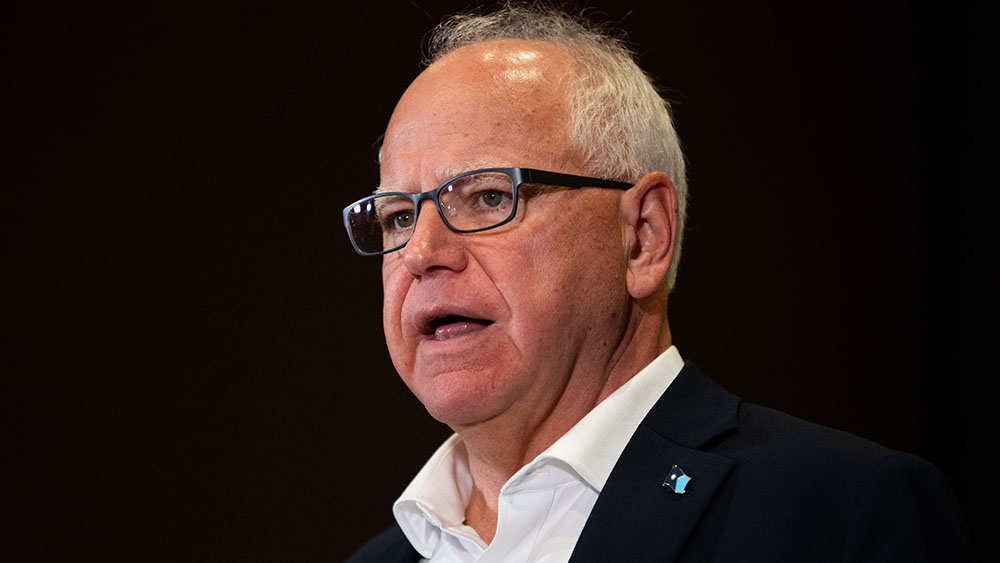
Irony strikes: Minnesota law signed by Walz in 2020 now defends ICE agent who shot Renee Good
By Ramon Tomey // Share
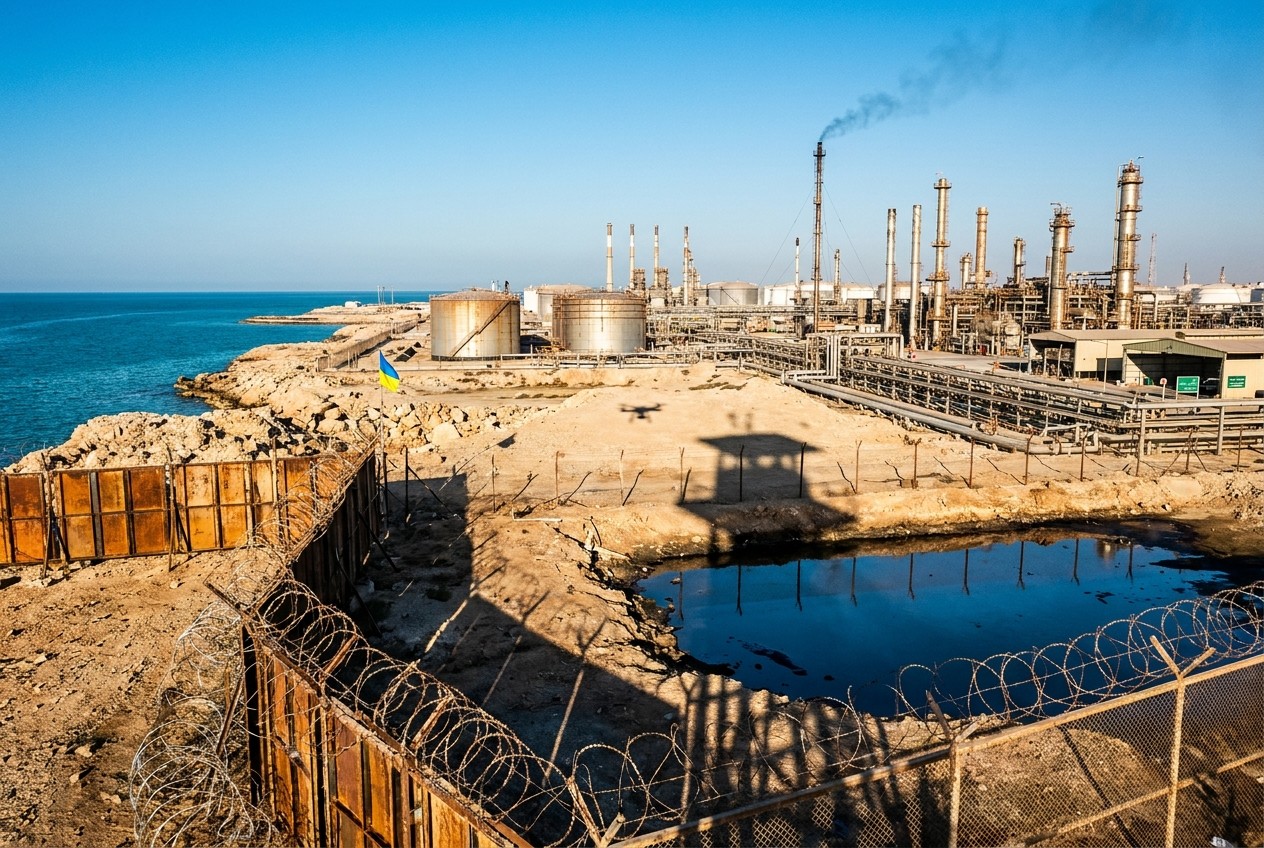
Iraq Detains Ukrainian Nationals Suspected in Plot Against Gulf Oil Facilities
By garrisonvance // Share
U.S. Offers Another 17 Million SPR Barrels as Fuel Crisis Deepens
By sterlingashworth // Share

U.S. Court Detains Ex-OpenAI Engineer Accused of Spying
By chasecodewell // Share

Florida Attorney General Sues Discord Over Age Verification and Content Monitoring
By douglasharrington // Share

IMF Chief Calls for AI Guardrails as Officials Weigh Economic Risks and Opportunities
By edisonreed // Share