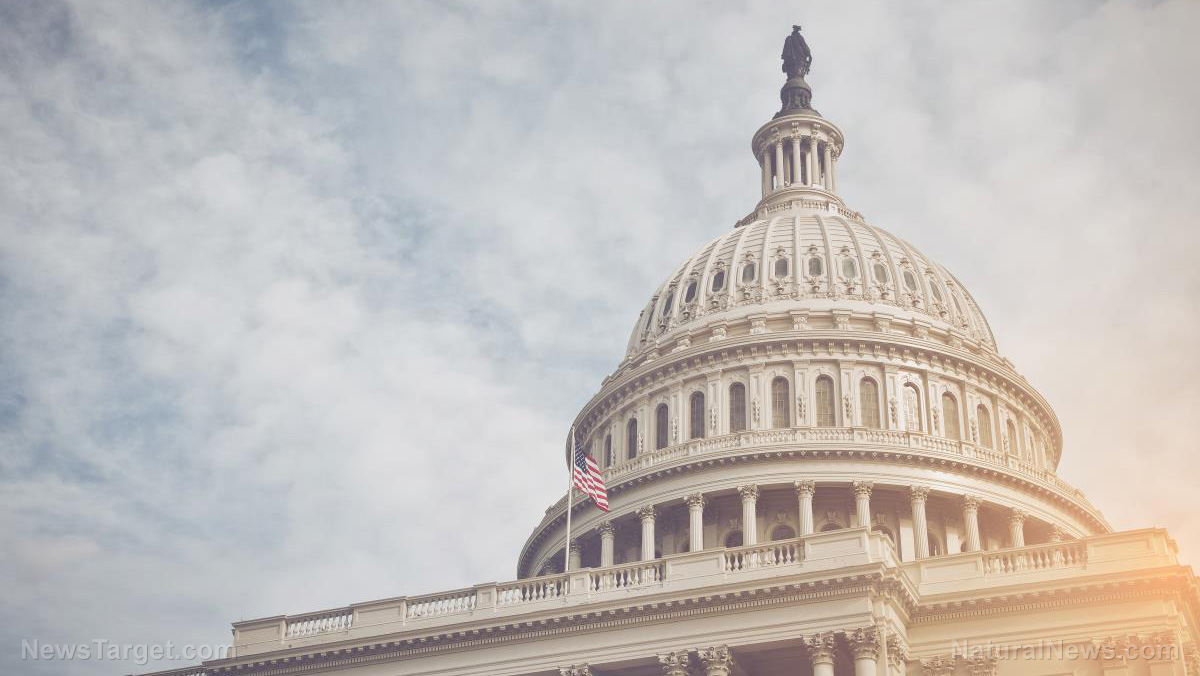
- Citizen journalists uncover a network of over 40 daycare centers in Ohio linked to a single defunct nonprofit, raising fraud concerns.
- Investigations suggest a pattern of taxpayer-funded daycare facilities operating as potential shell companies in multiple U.S. cities.
- Allegations connect the flow of federal funds to political donations, implicating a cycle of welfare fraud and electoral politics.
- Government oversight is criticized as complicit or ineffective, with officials accused of prioritizing funding over fraud prevention.
- The scale of alleged corruption threatens public trust and highlights systemic vulnerabilities in federal welfare program administration.
The "Nick Shirley Effect" goes national
The phenomenon, dubbed the "Nick Shirley Effect" after an independent journalist’s viral investigation into empty Minneapolis daycare centers, has rapidly expanded. What began in Minnesota has sparked parallel probes in Columbus, Philadelphia and other metropolitan areas. These amateur investigators are publishing visual evidence and data analyses on social media platforms, showing facilities that appear vacant during operational hours or are linked to obscure shell organizations. Their work presents a direct challenge to traditional media and government accountability mechanisms, suggesting that official oversight has either failed or turned a blind eye to massive fraud.Ohio case reveals systemic blueprint
A focal point emerged in Columbus, Ohio, where researchers identified over 40 daycare centers operating under the name of a single entity: the Somali Education & Resource Center. Public records indicated these centers opened simultaneously and collectively received millions in state and federal funds. The organization itself is listed as defunct, raising immediate red flags about the legitimacy of the operations and the efficacy of licensing and auditing processes. This pattern points not to isolated incidents but to a replicable model for extracting public money, allegedly exploiting compassionate immigration and welfare policies.Political and media complicity
Beyond the financial fraud, allegations point to a corrupt political cycle. Investigators have published records showing donations from addresses associated with these daycare centers to Democratic politicians, including prominent Somali-American officials. Critics argue this creates a self-perpetuating loop: public funds are funneled to fraudulent operations, a portion is cycled back as political donations, and elected officials ensure the funding spigot remains open. The response from some quarters of the media and political establishment—often dismissing the allegations as racist or conspiratorial—has further fueled public skepticism about institutional trustworthiness.A crisis of trust and governance
The implications extend beyond wasted taxpayer dollars. The scandal underscores a deeper crisis in governance, where the incentive structures for bureaucrats and politicians appear misaligned with the public interest. As one commentator noted, the goal becomes maximizing federal revenue intake rather than ensuring efficient, fraud-free service delivery. This erodes the social contract, especially when programs meant to aid vulnerable domestic families are allegedly being gutted by systemic exploitation. The citizen journalist movement, in this context, represents a populist audit of a system many believe is fundamentally broken.Oversight failure demands institutional reckoning
The nationwide daycare fraud allegations represent more than a financial scandal; they are a stress test for American institutional credibility. When amateur investigators can, in days, uncover what years of official audits missed, it signals a catastrophic failure of professional oversight or a deliberate policy of neglect. The historical context is clear: from the Great Society programs onward, well-intentioned welfare systems have been vulnerable to exploitation, but the scale suggested here is unprecedented. Rebuilding public trust will require more than prosecuting bad actors; it demands a top-to-bottom re-evaluation of how public funds are distributed, monitored and protected from those who view government not as a service, but as a target for plunder. The citizen journalists have lit the fuse; it is now up to traditional institutions to prove they are part of the solution, not the problem. Sources for this article include: ZeroHedge.com X.com HotAir.com
California’s wealth tax revolt: Newsom battles own party as billionaires continue to leave the state
By Lance D Johnson // Share
Trump’s statements and Greenland strategy reports draw legal and diplomatic scrutiny
By Finn Heartley // Share

House Committee Report alleges mismanagement of $100 million wildfire relief fund
By Zoey Sky // Share
Bessent: Trump’s tariffs generate record revenue, could hit $1 trillion annually
By Belle Carter // Share



Iraq Detains Ukrainian Nationals Suspected in Plot Against Gulf Oil Facilities
By garrisonvance // Share

U.S. Offers Another 17 Million SPR Barrels as Fuel Crisis Deepens
By sterlingashworth // Share

U.S. Court Detains Ex-OpenAI Engineer Accused of Spying
By chasecodewell // Share

Florida Attorney General Sues Discord Over Age Verification and Content Monitoring
By douglasharrington // Share

IMF Chief Calls for AI Guardrails as Officials Weigh Economic Risks and Opportunities
By edisonreed // Share