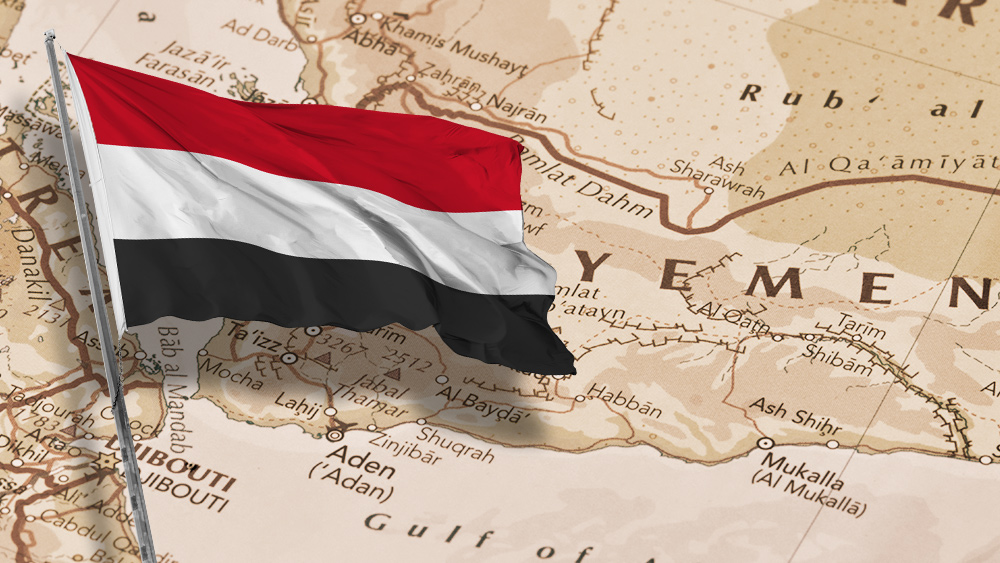
- Saudi Arabia has forcefully reversed a separatist land grab. After UAE-backed Southern Transitional Council (STC) fighters seized control of key eastern provinces in December, Saudi airstrikes forced them to withdraw from the critical port city of Mukalla. Control has been handed back to the Saudi-backed internationally recognized Yemeni government.
- The incident exposes a major rift in the anti-Houthi coalition. While both Saudi Arabia and the UAE oppose the Houthi rebels, they support rival factions in southern Yemen. Saudi Arabia backs the national government, while the UAE supports the STC, which seeks an independent South Yemen. This friction has now escalated into direct Saudi military action against an Emirati proxy.
- Control of Mukalla is a major strategic prize. The city is home to a key oil port and an international airport. The surrounding provinces constitute nearly half of Yemen's territory and border Saudi Arabia, making their control a direct security concern for Riyadh.
- The UAE's strategy focuses on southern security and influence. The UAE has struggled to establish order in areas like Aden, which has allowed militant groups like Al-Qaeda (AQAP) to operate. To secure its interests (including vital shipping lanes), the UAE built up the STC as a proxy, which has also taken control of strategic locations like Socotra Island.
- The conflict is creating deeper instability. With the STC now concentrated around Aden and calling this an "existential" fight, further conflict in southern Yemen is likely. The coalition is effectively fracturing and fighting itself, which deepens Yemen's humanitarian crisis and makes a unified peace settlement even more difficult to achieve.
Instability allows militant groups to operate
The current state of the UAE-Yemen conflict is now one of indirect confrontation with its coalition partner. The UAE’s primary focus has been on securing southern Yemen, particularly around Aden, where it has struggled to maintain order. This instability has allowed militant groups like Al-Qaeda in the Arabian Peninsula (AQAP), which once controlled Mukalla, and the Islamic State to operate. The UAE’s strategy has also involved cultivating the STC as a proxy to secure its interests, which include monitoring crucial shipping lanes. Notably, the STC seized the strategic island of Socotra in 2020, where both the UAE and Israel have been involved in building military facilities. The STC has signaled willingness to normalize relations with Israel, and its recent announcement of a planned independence referendum followed Israel’s recognition of another UAE-aligned breakaway region, Somaliland. For now, Saudi military intervention has sharply curtailed the STC’s eastern expansion, rolling back its December gains and reasserting the authority of the Riyadh-backed government in a vast swath of territory. However, the underlying conflict between the Saudi and Emirati visions for Yemen’s future remains unresolved. The STC, calling this a "decisive and existential" war, is now concentrated around Aden, setting the stage for further instability in the south, even as the larger war against the Houthis, who control the capital and the Red Sea coast, grinds on. The coalition is not only fractured but actively turning its weapons on itself, deepening Yemen’s tragedy and complicating any path toward a unified peace. Watch this clip about U.S. President Donald Trump's alliance with Saudi Arabia. This video is from the Rick Langley channel on Brighteon.com. Sources include: MiddleEastEye.net AlJazeera.com BBC.com BrightU.ai Brighteon.com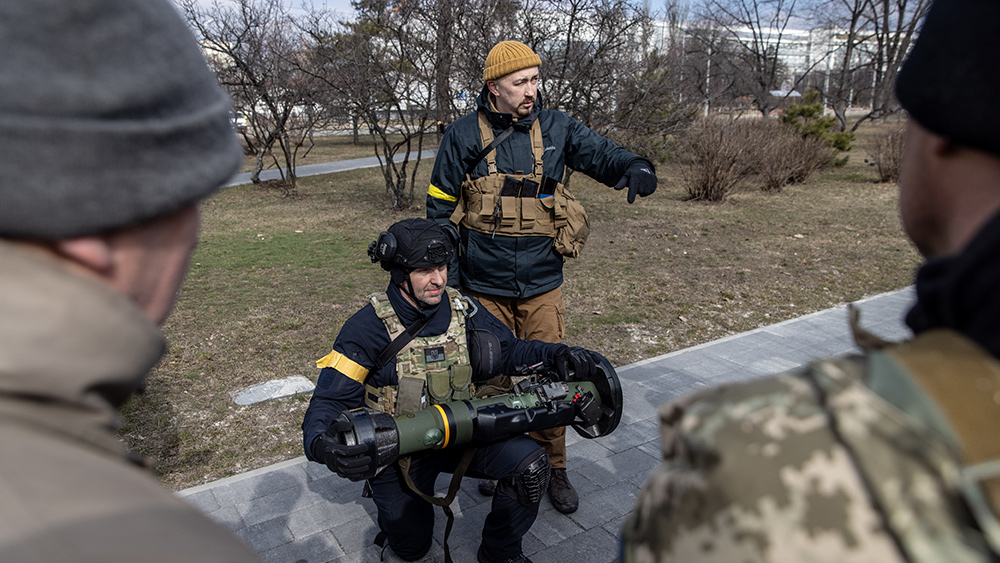
Ukrainian civilians RESIST brutal forced conscription as war fatigue sets in
By Ramon Tomey // Share

New research confirms alcohol’s broader, deeper cancer threat
By Ava Grace // Share
Trump announces plan to end federal payments to states with sanctuary cities
By Laura Harris // Share

Florida lawmakers move to ban paper straws over PFAS concerns
By Ava Grace // Share
Iraq Detains Ukrainian Nationals Suspected in Plot Against Gulf Oil Facilities
By garrisonvance // Share

U.S. Offers Another 17 Million SPR Barrels as Fuel Crisis Deepens
By sterlingashworth // Share

U.S. Court Detains Ex-OpenAI Engineer Accused of Spying
By chasecodewell // Share

Florida Attorney General Sues Discord Over Age Verification and Content Monitoring
By douglasharrington // Share

IMF Chief Calls for AI Guardrails as Officials Weigh Economic Risks and Opportunities
By edisonreed // Share
