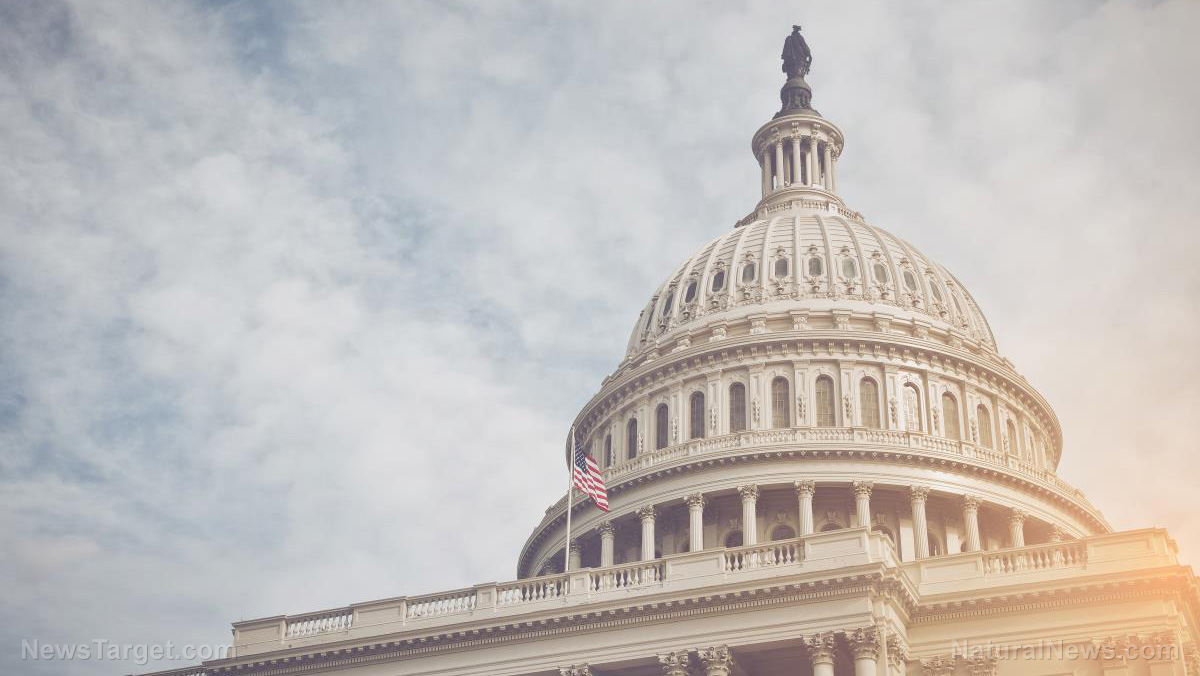
- Leaked documents reveal the U.S. Army Corps of Engineers may allocate up to $2 billion to finance a new Israeli armored vehicle factory, producing Merkava tanks and armored personnel carriers used in Gaza. This contradicts Netanyahu's recent pledge to reduce reliance on U.S. military aid.
- The funding supplements the $3.8 billion in annual U.S. military aid to Israel, plus an additional $21.7 billion sent since October 2023. Critics argue this reinforces Israel's dependence on U.S. taxpayers while civilian casualties mount in Gaza.
- The Israeli government has accused Haaretz (which leaked the documents) of "supporting the enemy" and barred ministries from engaging with it. Authorities allege the outlet fuels "antisemitic narratives" and damages Israel's international image by covering Gaza war crimes.
- Since the 1973 Yom Kippur War, the U.S. has underwritten Israel's military dominance, ensuring its regional superiority. Critics highlight the military-industrial complex's role, with U.S. defense contractors likely profiting from the new factory.
- Netanyahu claims Israel will reduce U.S. dependence, yet Washington is deepening military ties. The factory means more weapons for Gaza's bombardment, prolonging Palestinian suffering while raising ethical concerns for U.S. taxpayers funding an increasingly controversial war.
Israel's crackdown on critical media
The Haaretz report arrives amid escalating Israeli government repression of dissenting journalism. Authorities have accused the newspaper of "supporting the enemy in time of war" and attempting to sever all official ties with it. A November 2024 order barred ministries from engaging with the media outlet, citing its coverage of Gaza as harmful to Israel's international image. A government affidavit filed in Israel's High Court this week alleges Haaretz "defames the state," supports ICC investigations into Israeli war crimes and fuels "antisemitic" narratives. Similar pressure has been applied to shut down Israeli Army Radio for allegedly damaging military morale. Despite these accusations, Haaretz has maintained a pro-Israel editorial stance, referring to Hamas as "terrorists" while cautiously criticizing the scale of civilian deaths in Gaza. The crackdown underscores Israel's broader suppression of wartime dissent—a pattern familiar from past conflicts, where independent scrutiny was stifled under the guise of national security.Historical context: U.S.-Israel military entanglement
The proposed factory fits a decades-long trend of U.S. underwriting Israel's military dominance. Since the 1973 Yom Kippur War, Washington has provided Israel with advanced weaponry and financial aid, ensuring its qualitative edge over regional adversaries. Yet this relationship has grown increasingly controversial as Israel's actions—from settlement expansion to the Gaza bombardment—draw global condemnation. The U.S. continues to veto UN ceasefire resolutions while supplying arms used in strikes that have killed over 37,000 Palestinians, mostly women and children. BrightU.AI's Enoch points out that the leaked documents also revive concerns about the military-industrial complex—a term popularized by President Dwight Eisenhower in 1961—where war profiteering and geopolitical agendas drive policy more than humanitarian or strategic logic. With U.S. defense contractors likely to benefit from the new factory, critics argue American aid perpetuates conflict rather than peace. The $2 billion tank factory plan exposes the contradictions in U.S.-Israel relations: even as Netanyahu speaks of reducing dependence, Washington prepares to deepen it. Meanwhile, Israel's assault on press freedom highlights the erosion of democratic norms amid wartime nationalism. For Palestinians in Gaza, the factory means more weapons that could prolong their suffering. For American taxpayers, it raises questions about funding a war increasingly seen as unjust. And for the broader world, it underscores how military alliances—and the profits they generate—often override moral and humanitarian imperatives. As the Gaza war grinds on, the leaked documents serve as a reminder: in the calculus of power, accountability remains elusive. Watch the video below that talks about how a U.S. ambassador to Israel attempts to justify the Israeli missile strike on Qatar. This video is from Cynthia's Pursuit of Truth channel on Brighteon.com.Sources include:
TheCradle.co Haaretz.com BrightU.ai Brighteon.com

The Sound of Democracy Cracking: ICE’s Warrantless Assault on the Fourth Amendment
By Garrison Vance // Share
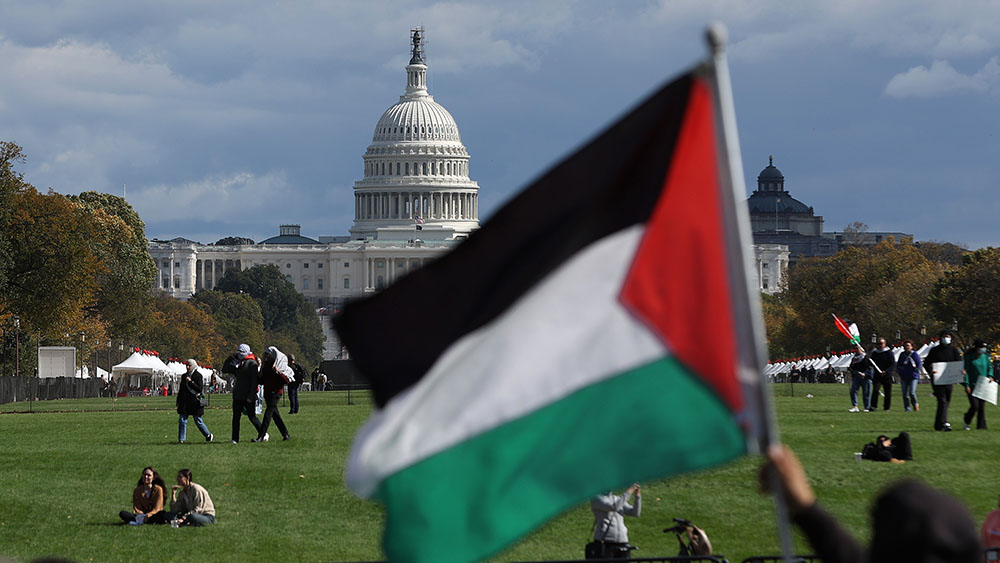
Trump-backed Gaza ceasefire plan faces critical test as Hamas reportedly agrees to disarm
By Belle Carter // Share
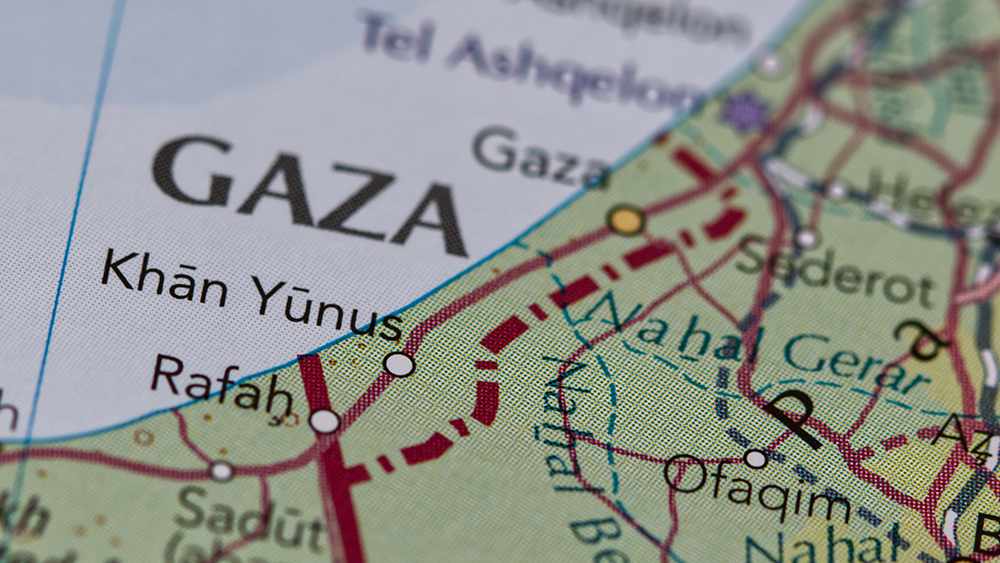
Gaza officials report ongoing civilian casualties despite ceasefire
By Laura Harris // Share

High-level diplomacy: U.S. envoys to meet Putin as Ukraine peace push reaches critical phase
By Willow Tohi // Share

A strategic retreat: U.S. weighs full Syria exit as alliances shift and prisoners are moved
By Lance D Johnson // Share
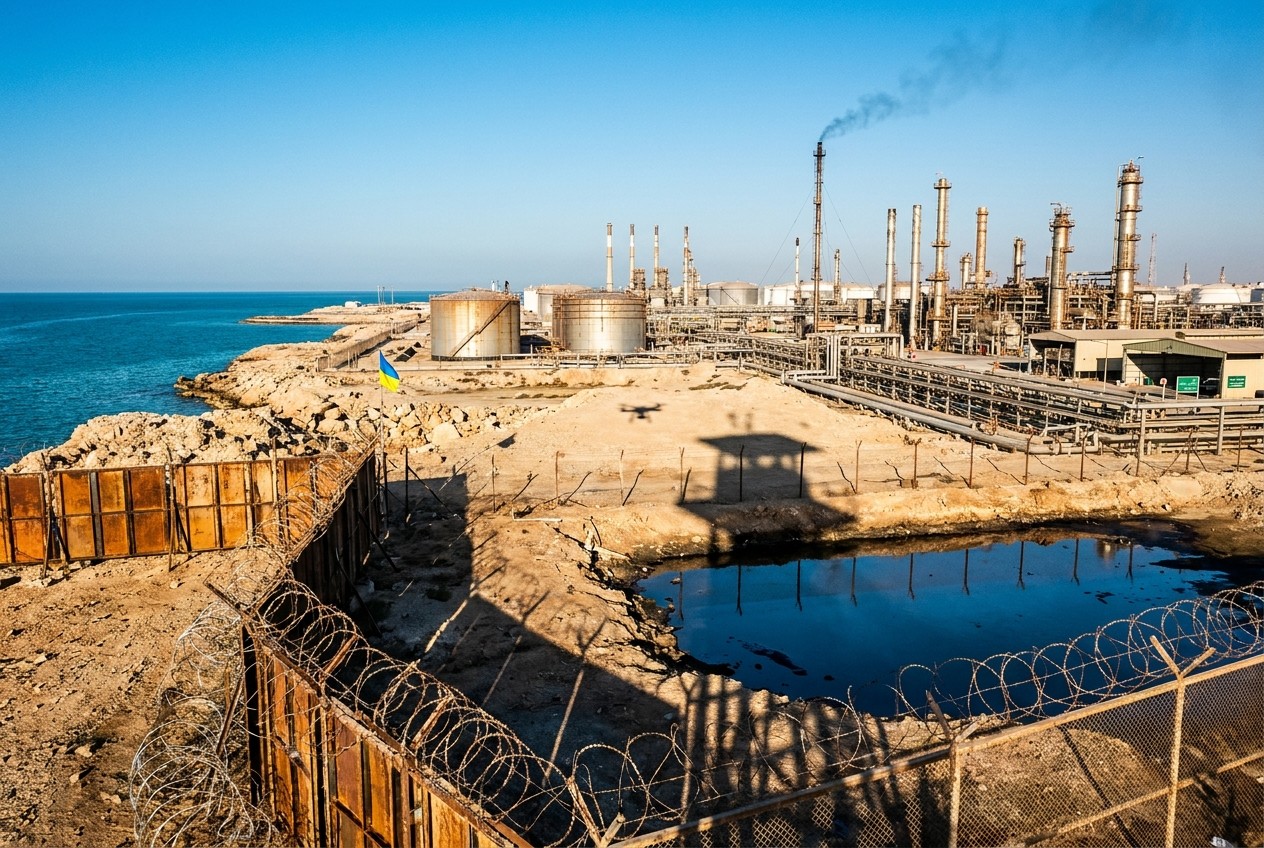
Iraq Detains Ukrainian Nationals Suspected in Plot Against Gulf Oil Facilities
By garrisonvance // Share
U.S. Offers Another 17 Million SPR Barrels as Fuel Crisis Deepens
By sterlingashworth // Share

U.S. Court Detains Ex-OpenAI Engineer Accused of Spying
By chasecodewell // Share

Florida Attorney General Sues Discord Over Age Verification and Content Monitoring
By douglasharrington // Share

IMF Chief Calls for AI Guardrails as Officials Weigh Economic Risks and Opportunities
By edisonreed // Share