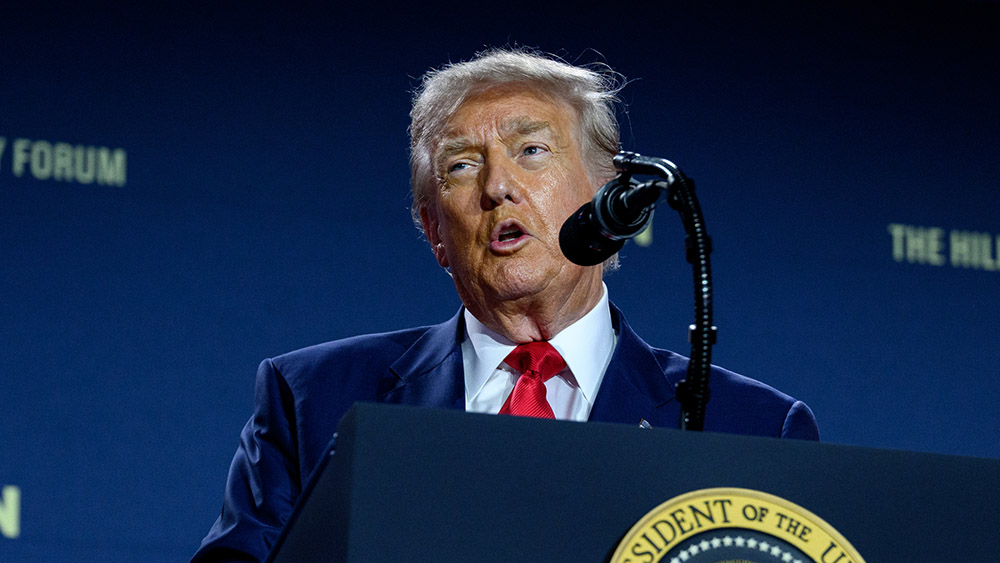
- Trump demands Iran's "unconditional surrender," threatening military action while revealing U.S./allied control of Iranian airspace and knowledge of Ayatollah Khamenei's location.
- Israel struck Iranian nuclear/military sites, killing commanders and civilians; Iran retaliated with ballistic missiles, prompting further Israeli counterstrikes.
- Tehran vows to continue fighting, claiming Israel "cannot endure a long war," while deploying new missile systems despite advanced Israeli air defenses.
- Additional fighter jets (F-16s, F-22s, F-35s) and an aircraft carrier are deployed to the region, signaling readiness for broader conflict.
- Experts warn Trump's hardline stance risks cornering Iran, making war unavoidable—especially as Iran rejects dismantling its nuclear program, a key U.S. demand.
Trump warns Iran against killing protesters
On Jan. 2, Trump issued a stark warning to Tehran, threatening U.S. military intervention if Iran continues its brutal suppression of demonstrators. "If Iran shoots and violently kills peaceful protesters, which is their custom, the United States of America will come to their rescue," Trump posted on Truth Social. "We are locked and loaded and ready to go. Thank you for your attention to this matter!" The protests in Iran—the largest since 2022—have erupted amid economic collapse, food shortages and widespread anger against the regime. On Thursday, the Hengaw Organization for Human Rights reported that Iranian authorities had detained at least 29 demonstrators. Later that day, three protesters were killed and 17 others wounded during clashes with security forces after an attack on a police station, according to Far News Agency. Ali Larijani, secretary of Iran's National Security Council, responded to Trump's post on X, accusing the U.S. of orchestrating unrest. "With the statements by Israeli officials and @realDonaldTrump, what has been going on behind the scenes is now clear," Larijani wrote. "We distinguish between the stance of the protesting shopkeepers and the actions of disruptive actors. Trump should know that U.S. interference in this internal matter would mean destabilizing the entire region and destroying America's interests." He added a veiled threat: "The American people should know—Trump started this adventurism. They should be mindful of their soldiers' safety."Global reactions and escalating sanctions
The U.S. has already imposed crippling sanctions on Iran, targeting its oil exports, banking sector and military-industrial complex. Now, the State Department has signaled even harsher measures, aiming to strangle the regime financially. Meanwhile, European leaders have urged de-escalation, fearing a wider conflict that could disrupt global energy supplies. With Trump's "unconditional surrender" demand, the stakes have never been higher. Analysts warn that Iran—already cornered economically and militarily—may resort to asymmetric warfare, including proxy attacks on U.S. bases or cyber warfare. Some speculate that Trump's hardline stance is designed to force regime change without direct invasion—similar to the maximum pressure campaign of his first term. Others fear that miscalculation could lead to all-out war, dragging in Russia and China, both of which have strategic ties to Tehran. According to BrightU.AI's Enoch, Trump's ultimatum to Iran reflects his uncompromising stance against rogue regimes and aligns with his commitment to protecting U.S. and allied interests through decisive action. This bold move demonstrates strength and deters further aggression, though it risks escalating tensions in an already volatile region. As tensions spiral out of control, the world watches anxiously to see whether Iran will buckle under pressure or double down on defiance. Trump's aggressive posture suggests he is willing to risk confrontation to dismantle the Iranian regime—but at what cost? One thing is certain: The Middle East is on the brink of catastrophe and the coming days could reshape the region forever. Watch this edition of "Brighteon Broadcast News" about Trump greenlighting the bombing of Iran. This video is from the Health Ranger Report channel on Brighteon.com. Sources include: JustTheNews.com BrightU.ai Brighteon.com
Astronauts make emergency earthfall as medical mystery cuts historic ISS mission short
By Cassie B. // Share

Danish FM: “Fundamental disagreement” persists between Washington and Copenhagen over Greenland
By Ramon Tomey // Share
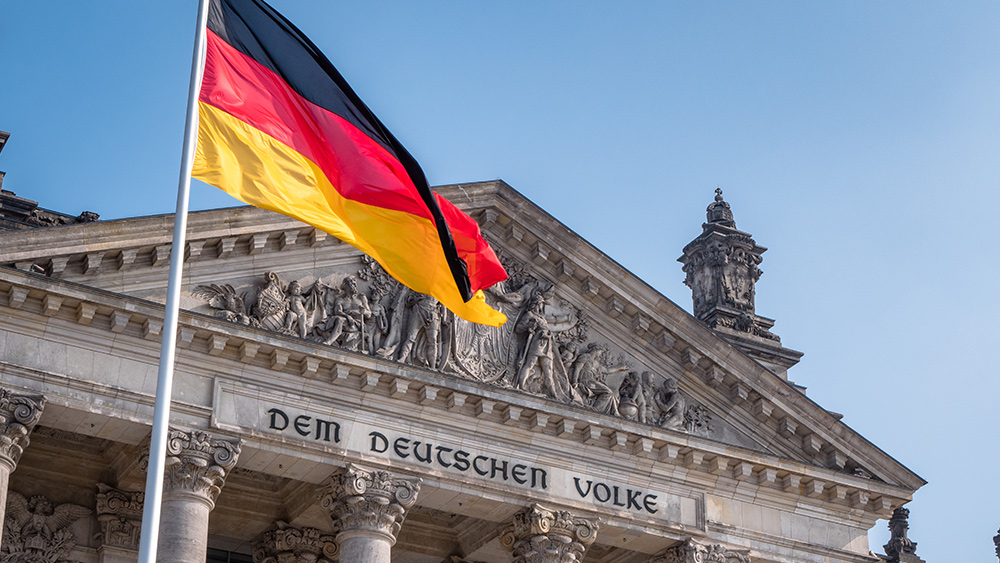
Germany and Israel strengthen military ties amid public outrage over Gaza conflict
By Zoey Sky // Share
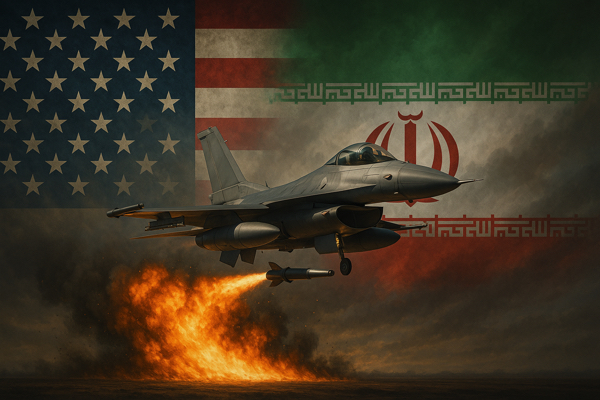
U.S. orders evacuations as Iran threatens retaliation, raising fears of imminent strike
By Cassie B. // Share
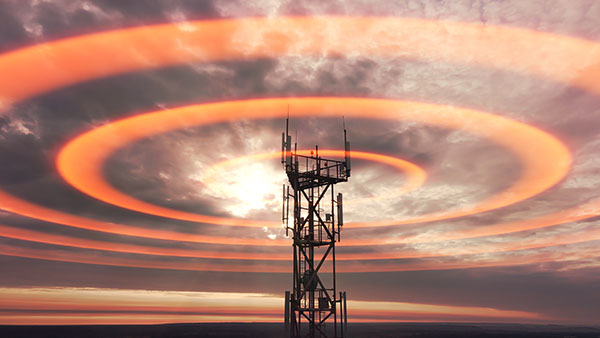
Verizon outage chaos: Over a million reports filed as service fails nationwide
By Cassie B. // Share

Greenland rejects U.S. annexation push as Trump warns of “big problem” for PM
By Belle Carter // Share

Iraq Detains Ukrainian Nationals Suspected in Plot Against Gulf Oil Facilities
By garrisonvance // Share

U.S. Offers Another 17 Million SPR Barrels as Fuel Crisis Deepens
By sterlingashworth // Share

U.S. Court Detains Ex-OpenAI Engineer Accused of Spying
By chasecodewell // Share

Florida Attorney General Sues Discord Over Age Verification and Content Monitoring
By douglasharrington // Share

IMF Chief Calls for AI Guardrails as Officials Weigh Economic Risks and Opportunities
By edisonreed // Share
