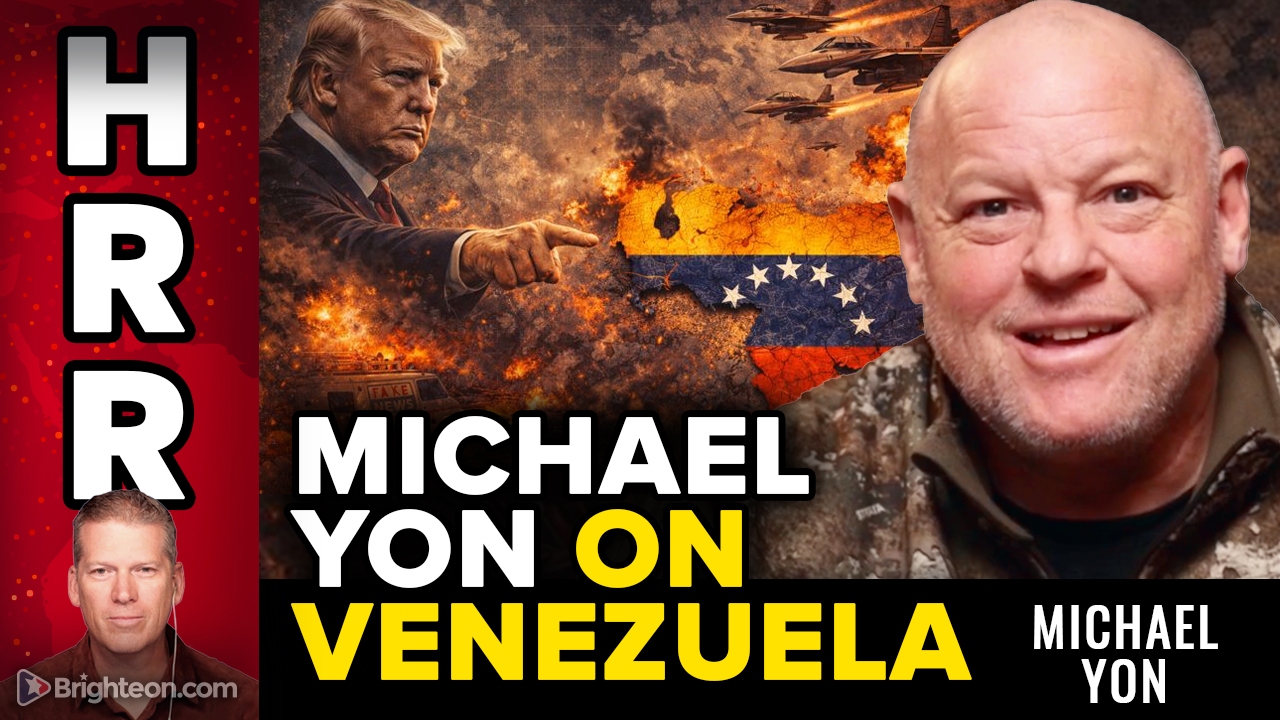
- U.S. intervention in Venezuela sparks global backlash, with China/Russia condemning it as illegal aggression, risking retaliatory actions that could destabilize global security and weaken the petrodollar system.
- Regime extraction, not change: U.S. forces removed Maduro but failed to dismantle Venezuela’s government/military structure, with critics calling it resource piracy disguised as countering Chinese influence.
- BRICS pushback accelerates: Venezuela’s oil-for-yuan deals with China threaten dollar hegemony, while Russia/China frame the operation as imperialism, fueling a shift toward non-dollar trade settlements.
- Corporate-military collusion exposed: Pentagon-linked firms prepare to exploit Venezuela’s oil/minerals, mirroring Iraq-style resource grabs, as analysts warn of insurgency and global condemnation over U.S. hypocrisy.
- Global escalation risks rise: The intervention draws parallels to Russia’s Ukraine war, potentially justifying Chinese action against Taiwan, while BRICS stockpiles commodities for a bifurcated Cold War-style standoff.
A Bold Move with Global Repercussions
Reports confirm that U.S. forces conducted targeted operations in Venezuela, culminating in the extraction of President Nicolás Maduro and his wife—an act denounced by many as a violation of international law. While the Trump administration justifies the intervention as necessary to counter Chinese influence and secure Venezuela’s vast oil and mineral reserves, critics argue that the move risks provoking a broader conflict. Michael Yon, a geopolitical analyst and former military correspondent, warns that the operation is less about strategic control and more about resource exploitation. “They took the top leaf off the tree, but the jungle remains intact,” Yon remarked during an interview with Mike Adams on Brighteon Broadcast News. “Venezuela’s government structure, military, and factions remain in place—this isn’t regime change; it’s piracy.”China and Russia Push Back
China and Russia swiftly condemned the U.S. intervention, framing it as imperialist aggression. With Venezuela being a key BRICS ally, the operation threatens to accelerate the shift away from dollar-based trade settlements. Yon noted that Venezuela’s oil exports to China—conducted in yuan—directly undermine the petrodollar system, a critical pillar of U.S. economic hegemony. “If Venezuela continues exporting oil to China in yuan, that’s a major blow to the dollar’s reserve status,” Yon explained. “The U.S. is weaponizing its own currency while simultaneously provoking adversaries who are eager to abandon it.”The Resource War Heats Up
The Trump administration has openly signaled intentions to exploit Venezuela’s resources, with major corporations—backed by Pentagon-linked investments—poised to extract oil, silver, and rare earth minerals. A recent deal involving Korea Zinc and a $7 billion smelting operation in Tennessee, partially financed by JP Morgan and the U.S. Department of Defense, suggests a coordinated effort to process pillaged Venezuelan metals. “This is fascism in its purest form—when corporate and government interests become indistinguishable,” Yon said. “The U.S. is repeating the same mistakes that led to Iraq’s insurgency, where sabotage and resistance followed foreign exploitation.”Risk of Escalation
The intervention has already drawn comparisons to Russia’s 2022 invasion of Ukraine, with critics arguing that Washington’s actions undermine its own condemnation of Moscow. “If Venezuela can accuse the U.S. of unprovoked aggression, what’s stopping China from using the same justification to invade Taiwan?” Adams questioned. Yon warned that the U.S. is overextending itself militarily while underestimating China’s industrial and naval capabilities. “We don’t have a WWII-era military anymore,” he cautioned. “China’s drydock capacity dwarfs ours, and their strategic patience means they’ll outlast us in any prolonged conflict.”A Fractured Future
As tensions rise, analysts predict a bifurcation of global commodity markets—Western-controlled gold, silver, and oil supplies versus Eastern (BRICS-aligned) pricing and trade networks. With China stockpiling physical silver and Russia deepening ties with Venezuela, the stage is set for a new Cold War-style standoff. Meanwhile, Trump’s supporters defend the intervention as a necessary safeguard against Chinese expansion, while detractors see it as reckless imperialism that could ignite a wider war. “Trump is accelerating America’s decline,” Yon argued. “From pushing the COVID vaccines to destabilizing foreign policy, his actions align with a globalist agenda that weakens national sovereignty.”What Comes Next?
With Venezuela’s allies—China, Russia, Iran, and Cuba—likely to retaliate economically or militarily, the world watches nervously for the next flashpoint. Potential hotspots include Taiwan, Okinawa, and the South China Sea, where China has been reinforcing its presence. As Adams concluded: “We’re witnessing the unraveling of the post-WWII order. Whether this leads to a new multipolar world or outright conflict depends on whether cooler heads prevail—or if desperation drives further escalation.” For now, the message from global powers is clear: The U.S. gamble in Venezuela may have just set the world on a dangerous new trajectory. Watch the full episode of the "Health Ranger Report" with Mike Adams, the Health Ranger, and Michael Yon as they shred Trump's Venezuela dreams. This video is from the Health Ranger Report channel on Brighteon.com.More related stories:
U.S. military gains strategic foothold in Trinidad and Tobago as tensions with Venezuela simmer China condemns U.S. military strikes in Venezuela as “hegemonic attack,” demands Maduro’s release U.S. escalates aggressive maritime campaign against Venezuela, seizes oil tanker in bold military operation Sources include: Brighteon.com Substack.com
New research confirms alcohol’s broader, deeper cancer threat
By Ava Grace // Share
Trump announces plan to end federal payments to states with sanctuary cities
By Laura Harris // Share

Florida lawmakers move to ban paper straws over PFAS concerns
By Ava Grace // Share

Astronauts make emergency earthfall as medical mystery cuts historic ISS mission short
By Cassie B. // Share

Danish FM: “Fundamental disagreement” persists between Washington and Copenhagen over Greenland
By Ramon Tomey // Share
Iraq Detains Ukrainian Nationals Suspected in Plot Against Gulf Oil Facilities
By garrisonvance // Share
U.S. Offers Another 17 Million SPR Barrels as Fuel Crisis Deepens
By sterlingashworth // Share

U.S. Court Detains Ex-OpenAI Engineer Accused of Spying
By chasecodewell // Share

Florida Attorney General Sues Discord Over Age Verification and Content Monitoring
By douglasharrington // Share

IMF Chief Calls for AI Guardrails as Officials Weigh Economic Risks and Opportunities
By edisonreed // Share