
- A 60-day pilot study involving individuals with obesity found that a daily 20-gram serving of roasted baru almonds significantly altered gut microbiome composition.
- Specific bacterial shifts were observed, including a decrease in Faecalibacterium and a notable increase in Prevotella, changes linked to improved metabolic signaling.
- These microbial transformations coincided with measurable improvements in blood lipid profiles, specifically increased HDL ("good") cholesterol and decreased total and LDL ("bad") cholesterol.
- Baru almonds boast a dense nutritional and phytochemical profile high in fiber, protein, unsaturated fats, and essential minerals, which appears to selectively nourish beneficial gut bacteria.
- The findings underscore a paradigm shift in nutritional science, where food is seen not just as human fuel but as a precise tool for managing the internal ecosystem that governs overall health.
A microbial metropolis and the key to its gates
To understand the significance of the baru almond’s impact, one must first appreciate the sheer scale and function of the gut microbiome. Think of it not as a passive slurry, but as a teeming, ancient city within. This metropolis houses hundreds of bacterial species, each with its own role—some are artisans producing vital vitamins, others are peacekeepers regulating inflammation, and still others are sanitation workers helping to maintain the integrity of the intestinal barrier, the critical wall that separates the contents of the gut from the bloodstream. The health of the entire human "host" is inextricably linked to the balance and diversity of this microbial city. When certain bacterial families grow too powerful or others dwindle, the system’s harmony breaks down, a state known as dysbiosis, which is increasingly implicated in conditions ranging from obesity and diabetes to autoimmune disorders and depression. The quest to cultivate a healthy microbiome has long focused on prebiotics—dietary fibers that act as food for beneficial bacteria—and probiotics, which introduce new bacterial strains. The study on baru almonds, however, points to a more nuanced concept: targeted nutritional intervention. When researchers provided 15 participants with a modest daily serving of the seeds for two months, they witnessed a specific and consequential shift. The population of Prevotella bacteria expanded, while Faecalibacterium receded. This is not a random fluctuation. Different bacterial genera produce different metabolites, the chemical byproducts that then enter our system. Prevotella, for instance, is associated with the production of short-chain fatty acids like propionate, which are known to improve glucose metabolism and cholesterol synthesis in the liver. The observed microbial shift, therefore, is not just a change in census data for this internal city; it is a change in its economic output, one that appears to directly benefit the host’s metabolic health, as seen in the improved cholesterol numbers.The phytochemical architect: Deconstructing the baru almond
What gives this particular seed such apparent sway over an internal empire? The answer lies in its exceptional composition. Baru almonds (Dipteryx alata) are not true almonds but the seeds of a tree native to the Brazilian Cerrado, a bio-diverse savanna. They are a nutritional powerhouse, but their magic likely resides in the synergy of their parts. From a macro-nutrient perspective, they are rich in protein (approximately 24-30% of their weight) and dietary fiber, both of which are fundamental fuels for microbial fermentation in the colon. More compelling is their lipid profile, which is dominated by heart-healthy unsaturated fatty acids, particularly oleic acid, the same monounsaturated fat celebrated in olive oil. These fats may influence the fluidity of bacterial cell membranes or serve as substrates for anti-inflammatory microbial processes. The mineral content reads like a supplement label: significant levels of magnesium, which acts as a co-factor in hundreds of enzymatic reactions; zinc, crucial for immune function and wound healing; and iron, copper, and manganese, all essential trace elements. This dense mineral delivery may help create an intestinal environment less hospitable to pathogenic strains that thrive in nutrient-poor conditions. Perhaps most intriguing are the phytochemicals—bio-active plant compounds like flavonoids and phenolic acids. These compounds, which survive the roasting process, are not merely antioxidants for human cells. They act as signaling molecules and selective antimicrobials within the gut. They may inhibit the growth of undesirable bacteria while providing a supportive niche for beneficial strains to flourish, effectively acting as both weedkiller and fertilizer for the microbial garden. This combination of high fiber, healthy fats, minerals, and phytochemicals makes the baru almond a comprehensive toolkit for microbiome management, explaining why a "small daily serving" of about 20 grams (roughly 15 seeds) could trigger such measurable changes. This dosage, easily incorporated as a snack, appears sufficient to deliver a pharmacologically relevant dose of these bio-active components to the colon without overwhelming the system. For the individual navigating modern health challenges, this research is empowering. It suggests that tools for managing chronic metabolic issues are not confined to the pharmacy but can be found in the pantry, acting through a channel—the microbiome—that mainstream medicine has only recently begun to seriously engage with. It reinforces the principle that cultivating a happy gut is a deliberate act of daily cultivation, requiring the right nutrients and the removal of toxins that poison the soil, from processed foods to environmental chemicals. Sources include: NaturalHealth365.com ScienceDirect.com Enoch, Brighteon.ai
The Steppe’s secret: Vast Bronze Age city rewrites history of nomadic societies
By Ava Grace // Share

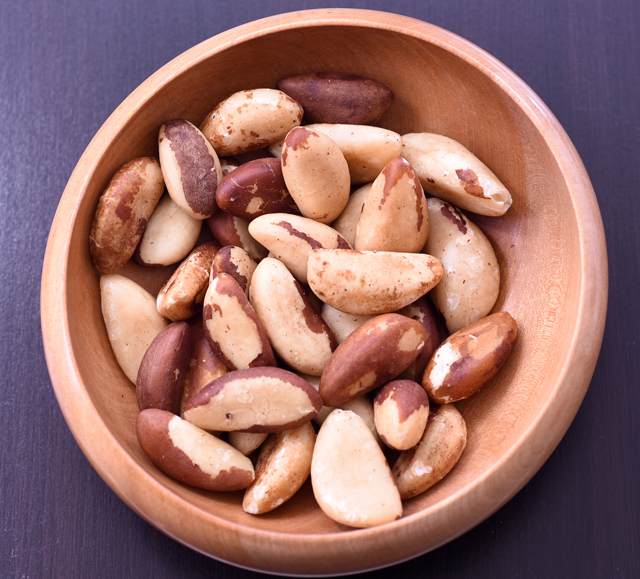
The Amazon’s forgotten pharmacy: New science reveals Brazil nuts’ full therapeutic potential
By Willow Tohi // Share

The skin’s secret clock: How your complexion reveals internal aging
By Willow Tohi // Share

Specific type of body fat protects against high blood pressure, research reveals
By Cassie B. // Share

Iraq Detains Ukrainian Nationals Suspected in Plot Against Gulf Oil Facilities
By garrisonvance // Share

U.S. Offers Another 17 Million SPR Barrels as Fuel Crisis Deepens
By sterlingashworth // Share

U.S. Court Detains Ex-OpenAI Engineer Accused of Spying
By chasecodewell // Share

Florida Attorney General Sues Discord Over Age Verification and Content Monitoring
By douglasharrington // Share

IMF Chief Calls for AI Guardrails as Officials Weigh Economic Risks and Opportunities
By edisonreed // Share