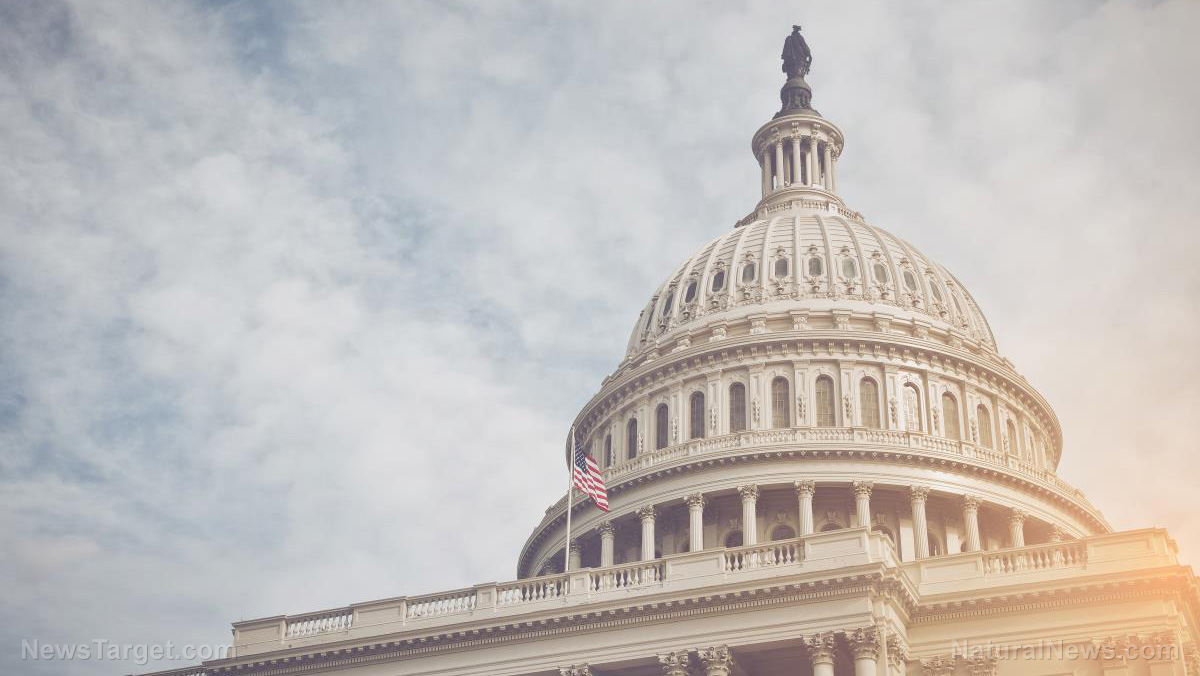
- Colombian President Gustavo Petro, a former guerrilla fighter, vowed to take up arms against the U.S. if attacked, citing his wartime experience and loyalty to Colombia despite his 1989 peace pact.
- Trump accused Petro of enabling record cocaine production, threatened military action, and cut $740 million in aid while imposing tariffs – framing Petro's voluntary crop-substitution policies as complicity in drug trafficking.
- U.S. Secretary of War Pete Hegseth announced strikes on vessels allegedly tied to Colombian rebels but provided no verifiable evidence, raising concerns over unchecked militarization in the drug war.
- Trump’s threats, combined with the recent Delta Force raid in Venezuela (where Nicolas Maduro was abducted), could ignite guerrilla warfare, radicalize rural Colombians and draw global condemnation – with Russia already denouncing U.S. actions.
- The clash highlights the failure of U.S. drug policy, as cocaine production persists under both left- and right-wing Colombian governments – fueled by U.S. demand and economic desperation – while Trump's moves suggest regime change, not reform, is the goal.
Trump vs. Petro: Drug war or regime change?
The feud exposes the contradictions of America's decades-long "War on Drugs," a trillion-dollar failure that has fueled violence, corruption and mass incarceration while doing little to curb narcotics flows. Despite Trump's claims, Colombia's cocaine production has surged under both left-wing and right-wing governments, driven by insatiable U.S. demand and the economic desperation of coca farmers marginalized by globalization. Petro, elected in 2022 as Colombia's first leftist president, has pushed for voluntary crop substitution over militarized eradication. However, Trump now frames this policy as complicity. Financial retaliation has already begun. The U.S. slashed $740 million in Colombian aid in 2023, much of it earmarked for counternarcotics, and Trump has threatened sweeping tariffs on Colombian imports. Meanwhile, Washington's backing of Colombia’s right-wing opposition – ahead of elections in 10 months – suggests regime change may be the real objective. The strategy mirrors past U.S. interventions in Latin America, where anti-drug rhetoric often masks efforts to topple governments resisting neoliberal orthodoxy. As Trump escalates his rhetoric – even hinting at action against Cuba, which he claimed "is ready to fall" – the risk of regional conflict grows. Russia has already condemned the Venezuela raid as "armed aggression," demanding Maduro's release. Should Trump follow through on Colombia, the consequences could be dire: a reignited guerrilla war, mass displacement and further erosion of the international rule of law. For now, Petro remains defiant. "I have enormous trust in my people," he declared, urging Colombians to defend his government from "any illegitimate violent act." But with Trump's threats growing bolder and Colombia's political future in flux, the hemisphere stands at a precipice – one where the failed drug war could spiral into something far worse. Watch Colombian President Gustavo Petro invoking Aztec prophecy to warn Trump against any aggression in Latin America below. This video is from the Cynthia's Pursuit of Truth channel on Brighteon.com. Sources include: RT.com BrightU.ai AlJazeera.com Euronews.com Brighteon.com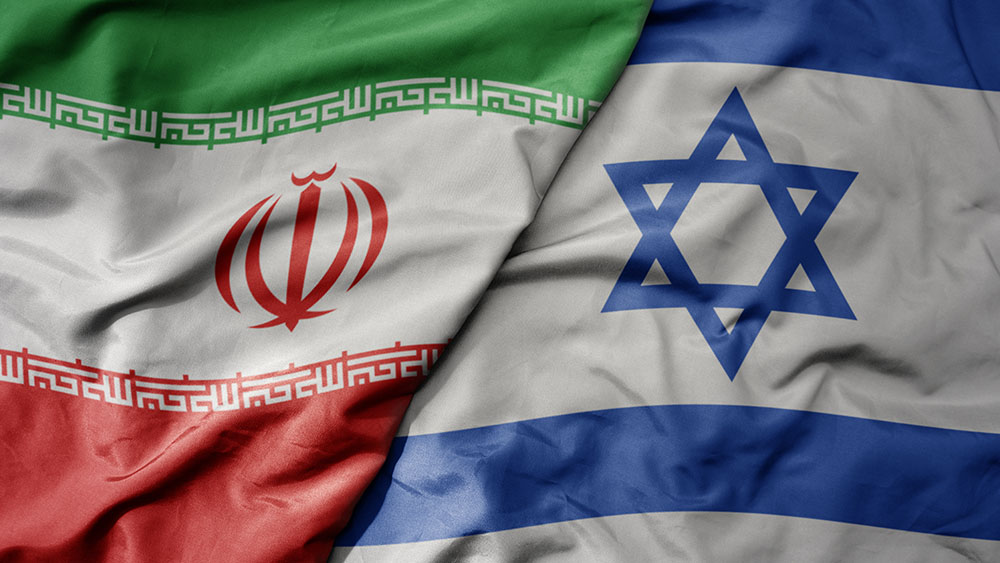
Behind the protests and threats: Iran and Israel convey “no first strike” pledge via Putin
By Jacob Thomas // Share
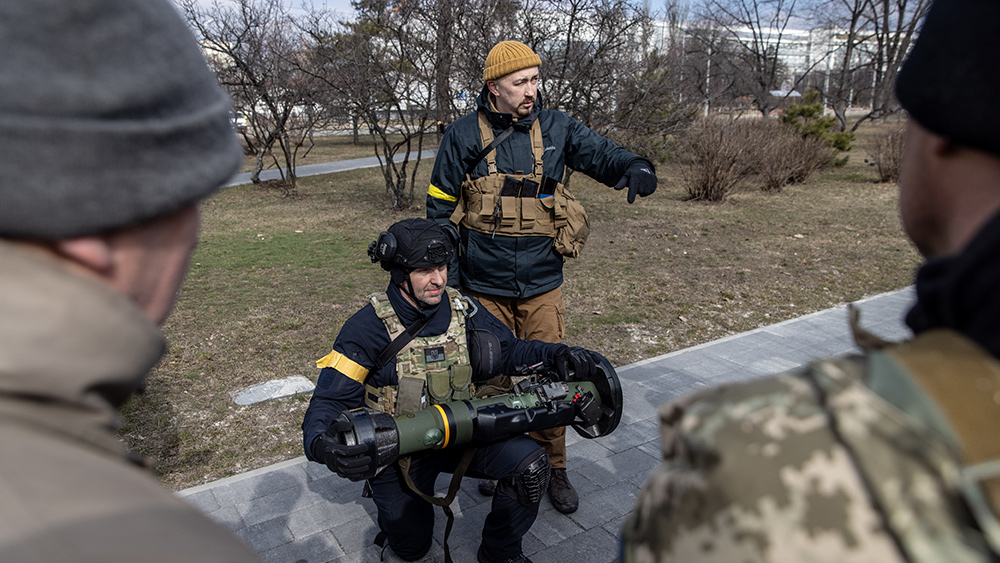
Ukrainian civilians RESIST brutal forced conscription as war fatigue sets in
By Ramon Tomey // Share

New research confirms alcohol’s broader, deeper cancer threat
By Ava Grace // Share
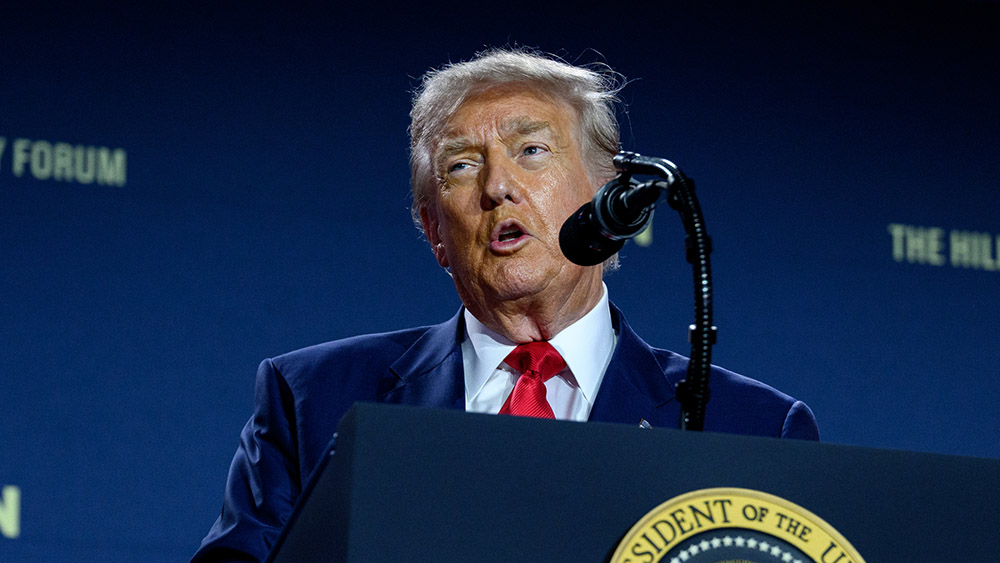
Trump announces plan to end federal payments to states with sanctuary cities
By Laura Harris // Share
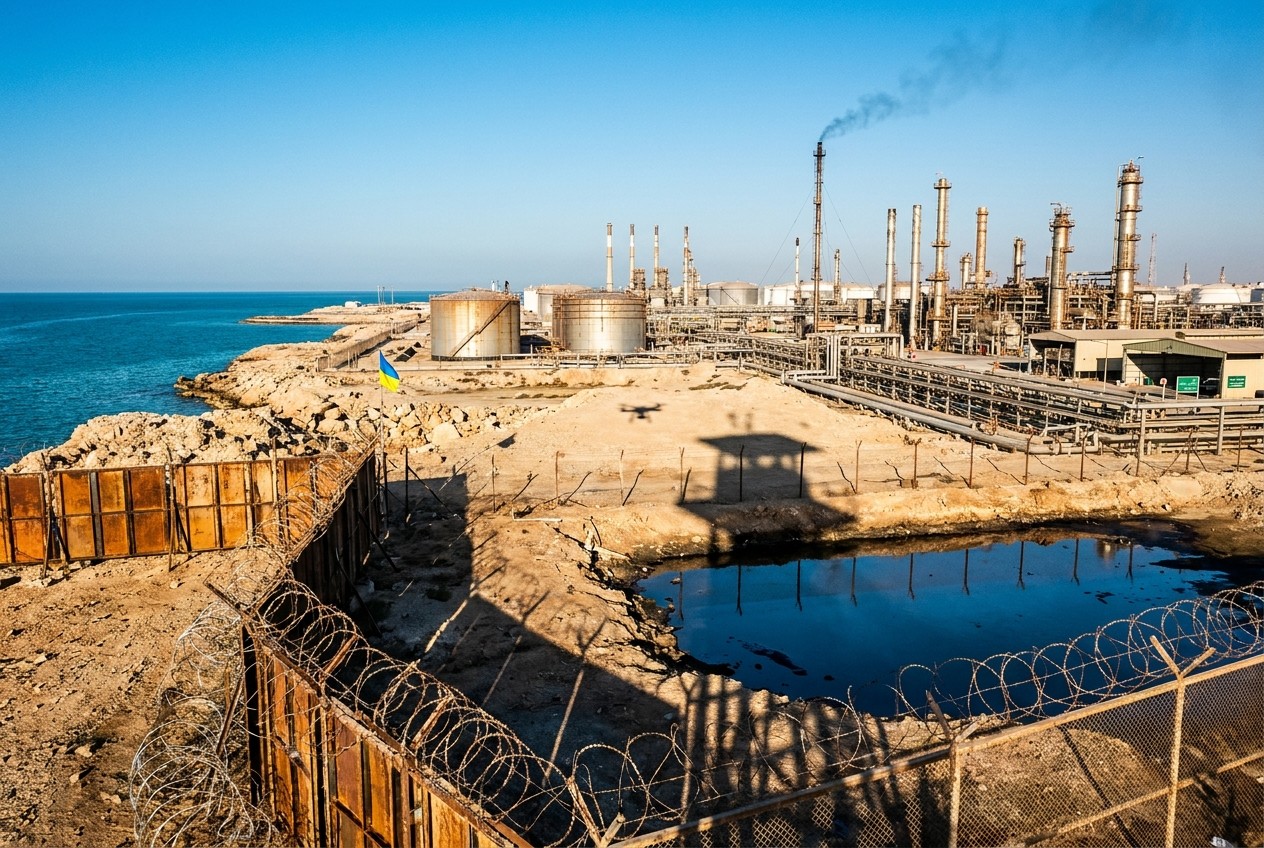
Iraq Detains Ukrainian Nationals Suspected in Plot Against Gulf Oil Facilities
By garrisonvance // Share

U.S. Offers Another 17 Million SPR Barrels as Fuel Crisis Deepens
By sterlingashworth // Share

U.S. Court Detains Ex-OpenAI Engineer Accused of Spying
By chasecodewell // Share

Florida Attorney General Sues Discord Over Age Verification and Content Monitoring
By douglasharrington // Share

IMF Chief Calls for AI Guardrails as Officials Weigh Economic Risks and Opportunities
By edisonreed // Share