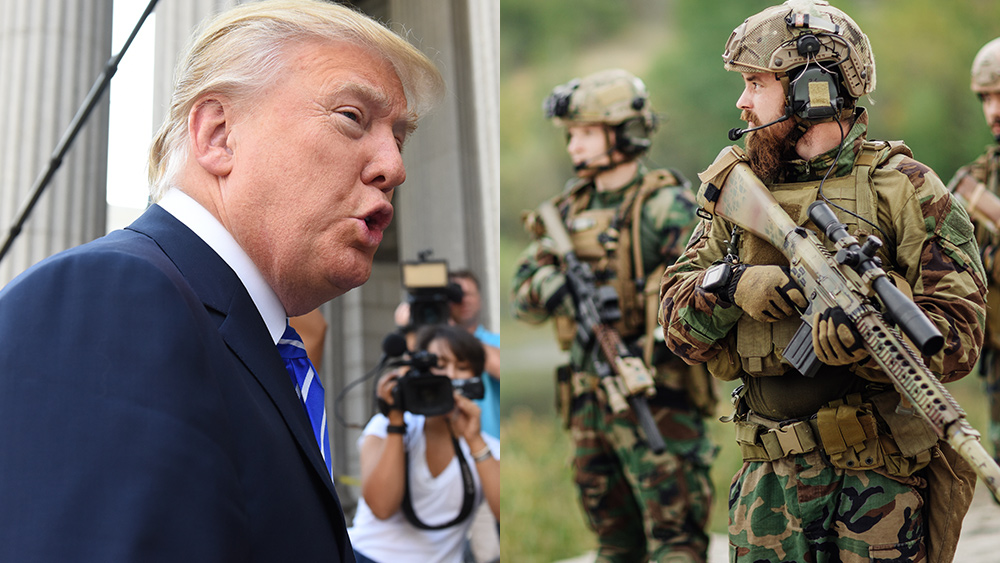
- President Donald Trump has proposed a $1.5 trillion military budget for 2027, a massive increase from current levels.
- This expansion comes as the U.S. national debt exceeds $38 trillion, with annual interest payments surpassing $1 trillion.
- The proposal is tied to aggressive foreign policy actions, including threats against multiple nations and the stated goal of seizing Venezuelan oil.
- Trump claims increased tariff revenue can fund this expansion, but economists note it is insufficient to cover the costs or address the debt.
- The plan signifies a dramatic shift from Trump's earlier promises to pay down debt and return funds to middle and lower-class Americans.
A budget built on broken promises and borrowed time
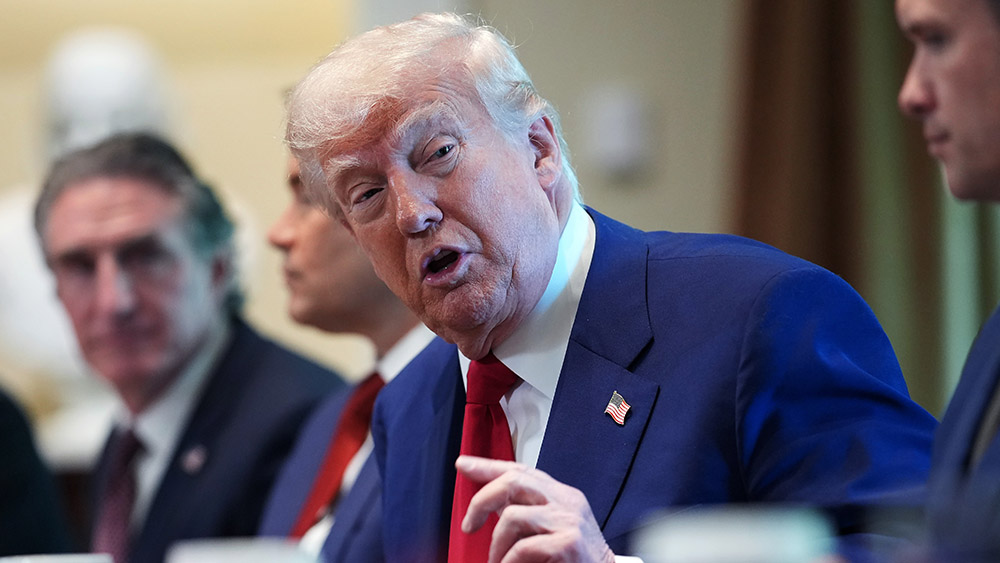
Donald Trump once positioned himself as a champion of fiscal sanity, promising to tackle the national debt and put American taxpayers first. Today, that promise lies in tatters beneath the weight of a proposed 1.5 trillion Pentagon budget. This isn′t mere policy adjustment; it is a radical re−prioritization of the nation’s soul, where military might is valued above economic stability. The U.S.government now spends over $1 trillion annually just to service the interest on its debt—a crushing burden placed on every citizen. To propose adding hundreds of billions more in military spending is to play a dangerous game with the nation’s financial future, treating the Treasury as a bottomless well for imperial ambitions. Trump argues that revenue from his trade tariffs, primarily on China, can fund this martial dream. Last year, tariff revenue saw a significant jump to $288.5 billion. However, this sum is a drop in the bucket against a $600 billion proposed budget increase, let alone the titanic $38 trillion debt. It is a mathematical sleight of hand, a distraction from the sobering reality that this spending spree will be financed by borrowing from future generations. To make matters worse, Trump had previously promised to use tariff funds and DOGE cuts to foreign aid to pay down the national debt and return money back to the American taxpayer. Neither plan has culminated into actionable legislation and now Trump is pushing legislators to use the American Purse to pursue maximum military spending. Meanwhile, the debt-to-GDP ratio has already crossed the 120% red line that economists warn is a precursor to crisis. This "dream military" risks awakening the nightmare of a full-blown American financial collapse.The "dream military" fuels a foreign policy of fear and resource theft
This budget is not conceived in a vacuum. It is the financial engine for a foreign policy that has shed any pretense of defense in favor of outright aggression and resource exploitation. Trump openly connects his military funding to operations like the abduction of Venezuelan President Nicolas Maduro, explicitly stating an intent to seize that nation's vast oil reserves. This is not diplomacy; it is piracy sanctioned by the state, a return to the darkest days of colonial plunder dressed in modern jargon. The aggression is not confined to Venezuela. In recent days, Trump and his officials have issued threats against Greenland, Colombia, Cuba, and Iran. Regarding Iran, Trump has repeatedly threatened devastating retaliation if Iranian protesters are killed, a stance that cynically uses civil unrest as a pretext for confrontation. This pattern mirrors historical manipulations, where external crises are leveraged to justify military escalation and consolidate executive power. It brings to mind the warnings of how American soldiers have been used as "drone bait" in volatile regions, their lives placed in jeopardy to fabricate a casus belli. Now, with a $1.5 trillion war chest, the appetite for such conflicts would only grow, with the entire American economy mortgaged to feed the war machine. Furthermore, this budget sustains and encourages destructive conflicts already underway. The United States continues to bankroll Israel’s military campaigns, providing billions in aid that supports actions in Gaza, Lebanon, and Syria. This funding, coupled with Trump’s desire for a vastly more powerful military, creates a feedback loop of perpetual war, destabilizing regions and making catastrophic confrontations—even nuclear ones—more likely. It is the very "military-industrial complex" President Eisenhower warned about, achieving a terrifying level of influence over national policy. On top of meddling in the Middle East all the way into Iran, Trump is looking to take this dream military budget and expand imperialistic military endeavors into the Arctic, recently espousing his desire to take Greenland by military force. Trump cites "dangerous times" are ahead to invoke Congress to act out of emergency and emotion. With $1.5 Trillion, Trump could wage war in Columbia, take back the Panama Canal, and even confront Mexico.From "drain the swamp" to drowning in debt
For citizens who believed Trump’s pledges to shrink the beast of big government and restore fiscal health, this proposal is a profound betrayal. The man who campaigned on America First and financial prudence now champions what can only be described as Empire First. The proposed military expansion represents the ultimate power trip, an imperial presidency exploiting not just foreign nations but the American taxpayer. The funds that were supposed to be returned to the middle and lower classes will instead be funneled into building bases, buying bombs, and financing foreign interventions. This pivot exposes a harsh truth about the political establishment, one that aligns with the observations of many independent journalists and truth-seekers. The machinery of power, regardless of the figurehead, often expands, seeking more control and more resources. The promise of tax relief and debt reduction is quietly shelved when the allure of global military dominance beckons. The "dream military" is, in reality, a dream of hegemony, and it is a dream that the American people cannot afford. As countries like those in the BRICS alliance move to abandon the dollar, partly in response to such weaponized U.S. policy, this debt-fueled militarism accelerates the very decline it seeks to prevent. Sources include: TheCradle.co APNews.com Enoch, Brighteon.ai
Trump demands new leadership in Iran amid mass protests and suppression
By Belle Carter // Share
Arctic tensions escalate as German troops exit Greenland amid U.S. pressure
By Belle Carter // Share

Trump announces sweeping tariffs on EU imports as trade tensions escalate
By Finn Heartley // Share
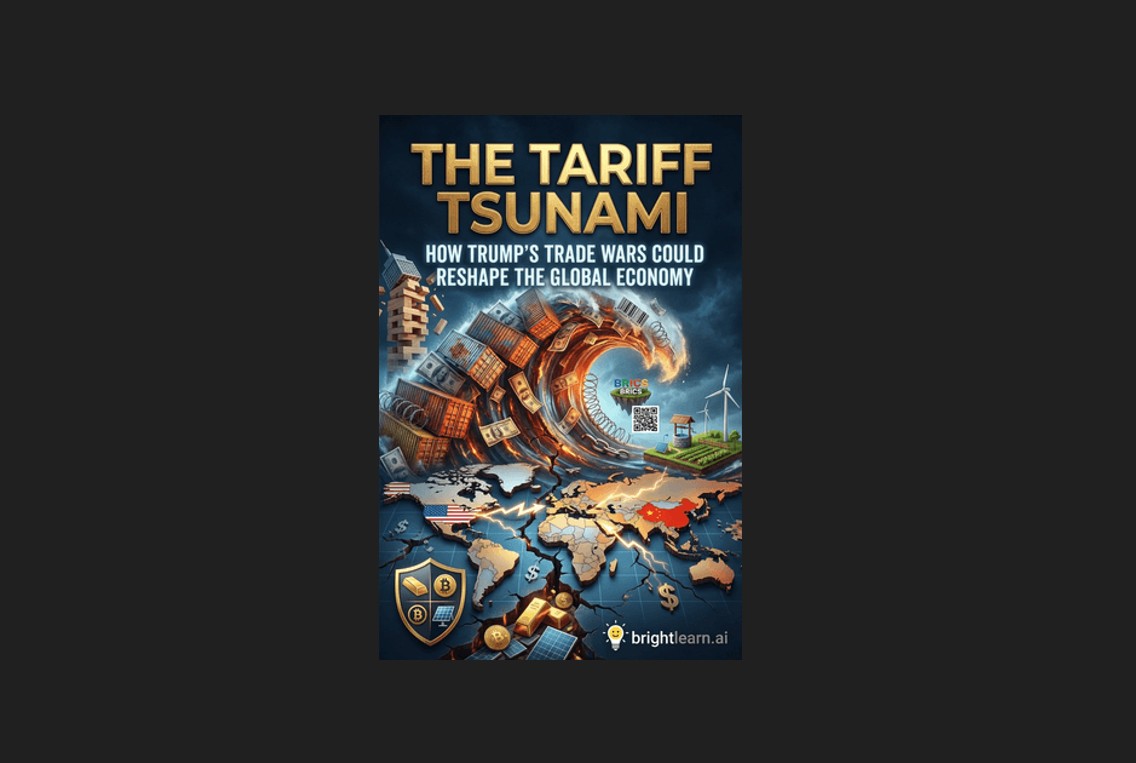
The Tariff Tsunami: On the dollar’s demise and the rise of decentralized survival
By Ramon Tomey // Share
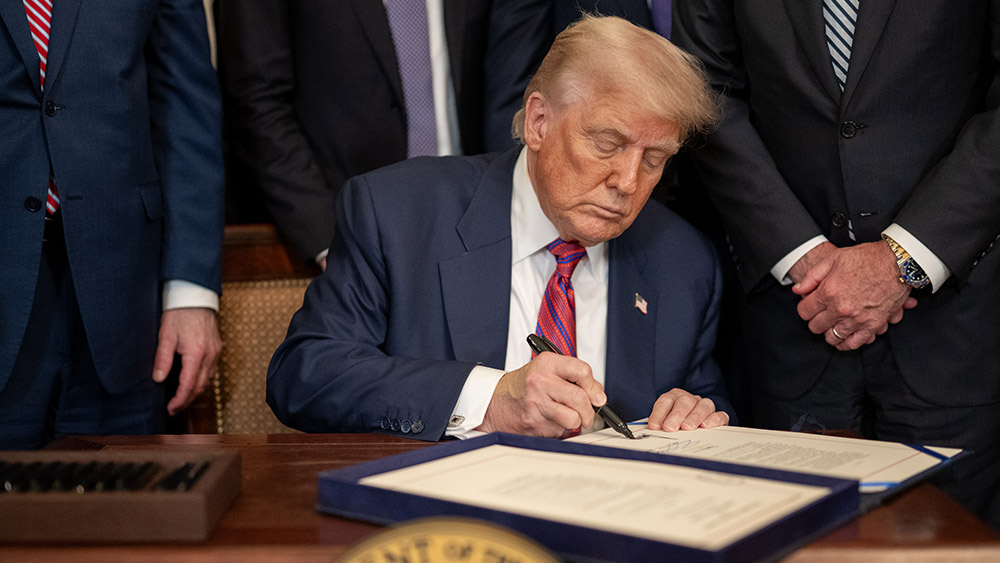
Trump gains expanded powers to BLACKLIST foreign ports in new trade enforcement bill
By Belle Carter // Share
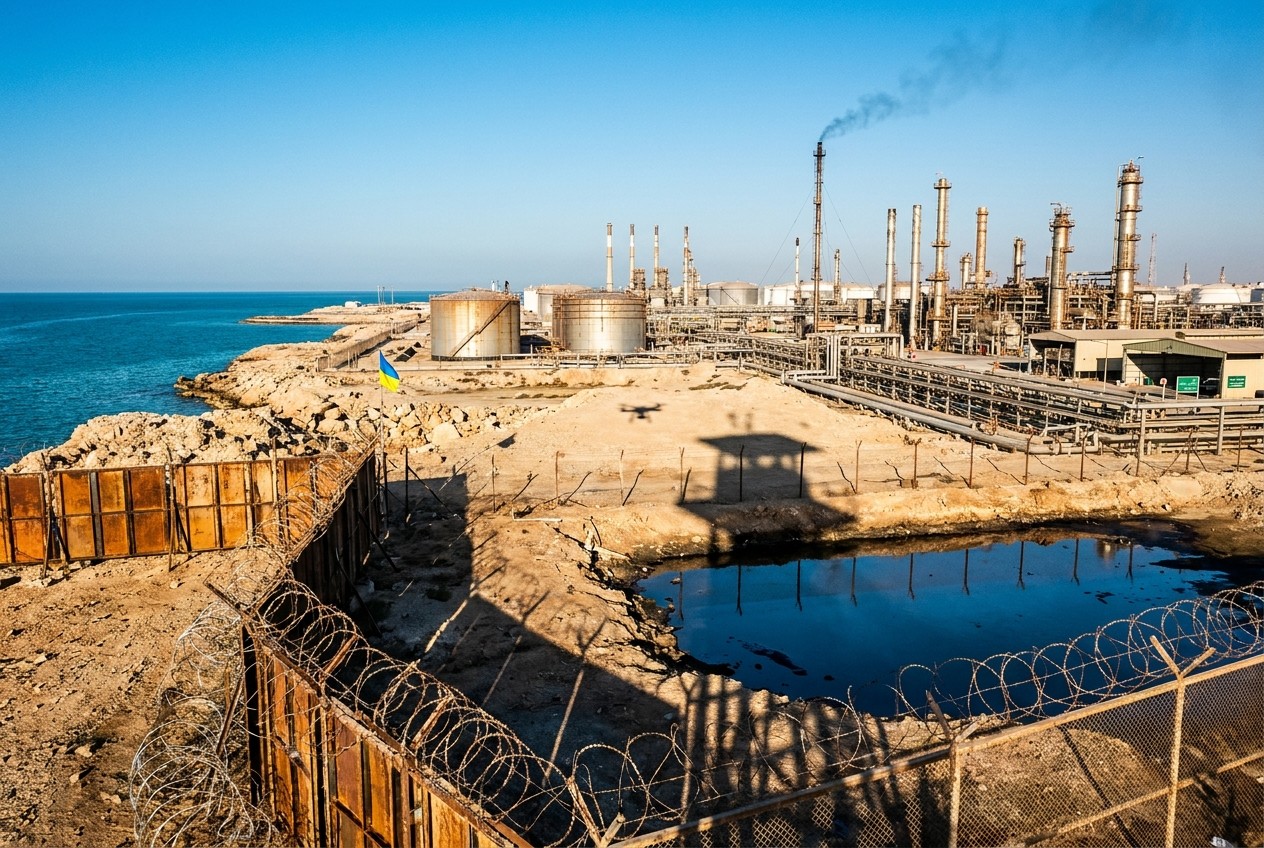
Iraq Detains Ukrainian Nationals Suspected in Plot Against Gulf Oil Facilities
By garrisonvance // Share

U.S. Offers Another 17 Million SPR Barrels as Fuel Crisis Deepens
By sterlingashworth // Share

U.S. Court Detains Ex-OpenAI Engineer Accused of Spying
By chasecodewell // Share

Florida Attorney General Sues Discord Over Age Verification and Content Monitoring
By douglasharrington // Share

IMF Chief Calls for AI Guardrails as Officials Weigh Economic Risks and Opportunities
By edisonreed // Share