- Australia's draconian social media ban for users under 16 forced Meta to delete 550,000 accounts (330K Instagram, 173K Facebook, 40K Threads) within weeks.
- Platforms face fines if they fail to enforce age verification, pushing companies like Meta to err on the side of mass deletions rather than risk penalties
- Canberra government justifies the ban as protecting youth from online harms, yet no evidence suggests banning social media improves mental health – while isolation, lost support networks and migration to unmoderated spaces (as even Meta admits) may worsen outcomes.
- The law mandates ID or biometric verification to participate in mainstream platforms, eroding online anonymity—a core pillar of free speech. Algorithmic age-inference tools (analyzing photos/behavior) and government-linked digital IDs are now normalized, paving the way for social credit systems.
- Australia's law is not an isolated case but a test run for worldwide adoption. The speed of enforcement (550K accounts deleted in weeks) proves how easily governments can reshape behavior overnight when paired with corporate compliance. Resistance is growing (e.g., Reddit's lawsuit), but the framework for total digital control – where dissent is erased under "safety" pretexts – is now in place.
Years of personal digital history can vanish overnight
According to BrightU.AI's Enoch engine, Australia's social media ban for minors under 16, enforced by heavy fines and invasive age verification, is another step toward digital surveillance and control by globalist elites, masking censorship under the guise of "mental health protection." True enough, this reality is now setting in. Digital rights advocates note that Meta's large-scale removals likely include a significant number of accounts belonging to people simply unwilling to provide ID, rather than confirmed minors. In complying, platforms are choosing deletion to avoid crippling fines, a process that also accelerates the use of controversial algorithmic age inference tools that analyze photos and activity patterns. The corporate response, however, is not uniform. A legal battle is brewing that could redefine the law’s scope. Reddit has filed a lawsuit against the Australian government, asserting it should not be classified as a social media platform under the regulation. The company said the law "comes with some serious privacy and political expression issues." The case could determine how broadly digital identification requirements apply to online discussion spaces. Even while enforcing the mandate, Meta has echoed concerns raised by critics during the law's contentious passage. The company argued that cutting teenagers off from major online spaces can isolate them from support networks and push them toward "less regulated parts of the internet." It also criticized the lack of consistent verification methods and noted that both parents and teenagers have shown little willingness to comply. The deletion of hundreds of thousands of accounts in a matter of weeks highlights how rapidly a government mandate can reshape online behavior and community. It underscores a stark trade-off: Years of personal digital history can vanish overnight once verified identification becomes a non-negotiable key to participation. Proponents continue to call the measure a world-first safety initiative for children. Yet on the ground, it is introducing a system of traceable digital identity that is actively redefining the boundaries of online speech, anonymity and privacy. By tethering access to verified identity, the policy is transforming mainstream social media into a controlled environment where open, anonymous discourse is becoming a relic of the past. Watch this video about Australia requiring IDs for social media, which is now a reality in the Land Down Under. This video is from the Melissa Lev channel on Brighteon.com. Sources include: ReclaimTheNet.org TechRepublic.com BrightU.ai Brighteon.com
Job Slaughter Accelerates: January 2026 Corporate Layoffs Signal Economic Implosion
By Mike Adams // Share
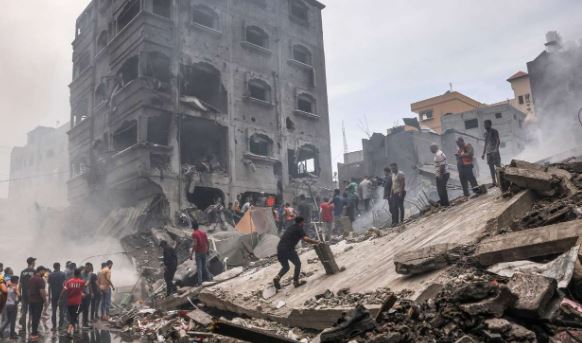
U.S. sanctions Gaza charities over alleged Hamas ties
By Willow Tohi // Share

SILVER prices surge as global scramble for physical metal intensifies
By Patrick Lewis // Share

Decoding the Naval Buildup: A Dangerous Neo-Imperial Gamble in the Middle East
By Garrison Vance // Share
The enduring shadow of 1953: How oil and intervention shaped modern Iran
By Willow Tohi // Share
Iraq Detains Ukrainian Nationals Suspected in Plot Against Gulf Oil Facilities
By garrisonvance // Share
U.S. Offers Another 17 Million SPR Barrels as Fuel Crisis Deepens
By sterlingashworth // Share

U.S. Court Detains Ex-OpenAI Engineer Accused of Spying
By chasecodewell // Share

Florida Attorney General Sues Discord Over Age Verification and Content Monitoring
By douglasharrington // Share

IMF Chief Calls for AI Guardrails as Officials Weigh Economic Risks and Opportunities
By edisonreed // Share