- Empty-stomach coffee consumption can cause adverse effects. Drinking coffee before eating can irritate the stomach lining due to its acidity and lead to a rapid, potent caffeine absorption, increasing jitters and anxiety.
- It can disrupt hormonal balance. Caffeine can spike the stress hormone cortisol, potentially disrupting its natural daily rhythm and affecting long-term energy, sleep and metabolic health.
- Adding collagen is proposed as a mitigating solution. Mixing hydrolyzed collagen peptides into coffee buffers its acidity, slows caffeine absorption and provides protein, helping to prevent sharp physiological reactions.
- This practice offers potential ancillary benefits. The protein from collagen provides a metabolic task, can help stabilize blood sugar and supplies amino acids that are building blocks for the body's tissues.
- The advice reflects a personalized, nuanced view of coffee. The recommendation is part of a modern shift focused on optimizing coffee consumption to maximize individual benefits and minimize drawbacks, rather than labeling coffee as simply "good" or "bad."
The collagen compromise
The straightforward advice is to eat breakfast first. For those who aren't breakfast people, experts propose an elegant compromise: Fortify the coffee itself by mixing in hydrolyzed collagen peptides. Collagen dissolves easily and is tasteless. Adding it transforms black coffee into a source of protein and amino acids. This can help buffer coffee's acidity, slow caffeine absorption and provide a substrate for digestion, preventing sharp physiological reactions. Proponents argue this offers benefits beyond tempering coffee's effects. The amino acids in collagen are building blocks for the body's connective tissues. While evidence for supplemental benefits is mixed, the core mechanism—adding protein to a fasting state—has sound rationale. It provides a minor metabolic task and can help stabilize blood sugar.The tolerance factor
Human biology is adaptable. Habitual coffee drinkers often develop a blunted cortisol response to their first daily cup. However, this tolerance is not absolute; subsequent doses later in the day can still elicit a hormonal response. The empty-stomach effect may be most pronounced in occasional drinkers, but daily consumers are not fully shielded. The decision is personal. For some, the potent kick of empty-stomach coffee is a reliable feature. Others experience clear signals like jitters or stomach upset. For this group, the collagen hack is a low-friction experiment. It doesn't require giving up coffee, just modifying the chemistry of the cup. This advice exists within a broader reevaluation of coffee. Once broadly vilified, coffee is now recognized for its antioxidants and associations with reduced risk for several chronic diseases. The dialogue is no longer about whether coffee is "good" or "bad," but how to consume it to maximize benefits and minimize individual drawbacks. In the end, the news is an evolution of the morning cup. Adding collagen is a modern tactic born from ancient wisdom: that what we consume should nourish, not merely stimulate. It represents a small step toward harmonizing a beloved ritual with the complex systems of the human body. Watch and discover how collagen peptide supplements can support your overall well-being. This video is from the Health Ranger Store channel on Brighteon.com. Sources include: MindBodyGreen.com PUBMED.NCBI.NLM.NIH.gov PMC.NCBI.NLM.NIH.gov BrightU.ai Brighteon.com
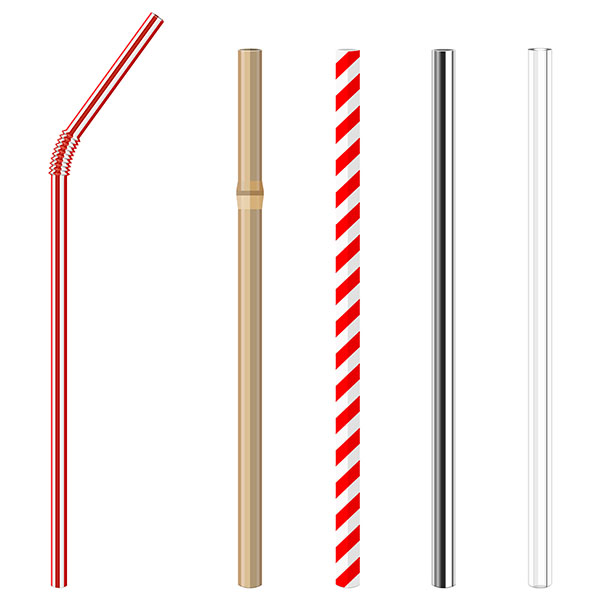
PAPER and BAMBOO STRAWS marketed as eco-friendly contain FOREVER CHEMICALS, study finds
By Evangelyn Rodriguez // Share

How modern diets are failing our skeletons
By Ava Grace // Share

Forget the fads: Science-backed strategies to combat age-related memory decline
By Cassie B. // Share


Beyond topical treatments: Why water is your first defense against adult acne
By Cassie B. // Share

Iraq Detains Ukrainian Nationals Suspected in Plot Against Gulf Oil Facilities
By garrisonvance // Share

U.S. Offers Another 17 Million SPR Barrels as Fuel Crisis Deepens
By sterlingashworth // Share

U.S. Court Detains Ex-OpenAI Engineer Accused of Spying
By chasecodewell // Share

Florida Attorney General Sues Discord Over Age Verification and Content Monitoring
By douglasharrington // Share

IMF Chief Calls for AI Guardrails as Officials Weigh Economic Risks and Opportunities
By edisonreed // Share