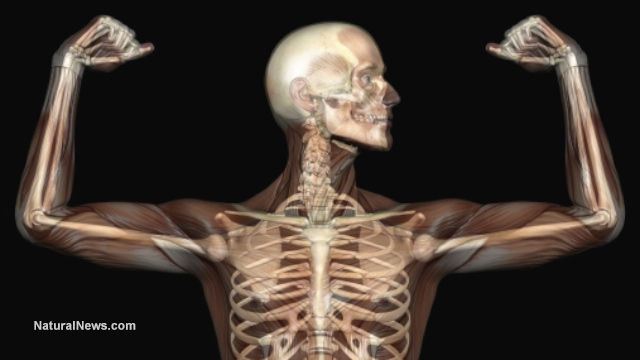
- Peak bone mass is reached in early adulthood, after which gradual loss begins. Diet plays a decisive role in building strong bones early and slowing loss later, impacting long-term mobility and independence.
- A holistic approach is needed, including magnesium, vitamin K, protein and omega-3 fatty acids, which all work together to build and maintain skeletal integrity.
- Osteoporosis leads to millions of fractures annually in the U.S., resulting in chronic pain, loss of independence and enormous personal and economic costs.
- While some risk factors (like genetics) are fixed, key actions include meeting calcium and vitamin D needs, consuming a variety of whole foods (leafy greens, nuts, fish, dairy/fortified alternatives) and engaging in weight-bearing exercise.
- Supplements can help fill gaps, but they cannot replace a diet rich in natural sources of bone-building nutrients. Strategic planning is especially important for those on plant-based diets to avoid deficiencies.
Unchangeable risks and empowering choices
Certain risk factors for bone loss are immutable. Genetics, sex, race and body type set a baseline. Women, particularly those of Asian and Caucasian descent with smaller frames, are at higher risk, especially after menopause when protective estrogen levels decline. However, the levers of diet and physical activity are powerfully within individual control. Smoking cessation, moderating alcohol intake and engaging in regular weight-bearing exercise are foundational. But nutrition is the bedrock. The recommended daily intake of calcium is 1,000 milligrams for most adults, rising to 1,200 milligrams for women over 50 and all adults over 70. This mineral is the primary building block. Yet consuming calcium without its co-factors is an exercise in futility. Vitamin D is the essential key that unlocks the gut's ability to absorb calcium. Without it, calcium passes through the body unused.The supporting cast of nutrients
The supporting nutrients are where dietary strategy becomes sophisticated. Magnesium, required at 310 to 420 milligrams daily, is abundant in nuts, seeds, whole grains and leafy greens. Vitamin K, found in kale, spinach and broccoli, activates proteins that bind calcium to bone. Dietary fiber enhances calcium absorption. Furthermore, omega-3 fatty acids from fish like salmon and seeds exhibit anti-inflammatory properties that may protect bone tissue, while adequate protein intake is crucial for maintaining the muscle strength needed to support the skeleton and prevent falls. This holistic nutritional approach presents a particular consideration for the growing number of Americans adopting plant-based diets. While rich in many bone-beneficial nutrients, strict vegan diets can fall short on calcium, vitamin D and vitamin B12 if not carefully planned. Strategic consumption of fortified plant milks and cereals or the judicious use of supplements, is essential for long-term skeletal health.A practical blueprint for bone resilience
Constructing a bone-fortifying diet is an accessible goal. The grocery list is straightforward: dairy products for calcium and vitamin D; fatty fish such as salmon for vitamin D and omega-3s; leafy green vegetables including kale for calcium, magnesium and vitamin K; and nuts, beans and seeds for magnesium and protein. Tofu, when prepared with calcium sulfate, and fortified beverages offer excellent non-dairy alternatives. "Bone health refers to the strength, density and overall structural integrity of the skeleton, which allows it to support the body, protect organs and facilitate movement," said BrightU.AI's Enoch. "It is maintained through a dynamic process where old bone tissue is constantly broken down and replaced with new tissue. Good bone health is crucial for preventing conditions like osteoporosis and reducing the risk of fractures." For those unable to meet needs through diet alone, supplements serve as a valuable tool. Calcium carbonate is cost-effective and best taken with food, while calcium citrate is better absorbed by older individuals. A critical caveat is to avoid large single doses; the body absorbs calcium best in amounts of 500 milligrams or less. However, supplements are a complement to, not a replacement for, a nutrient-dense diet. The pursuit of strong bones is a lifelong investment in resilience. The food choices made today are quietly laying down the mineral reserves that will determine mobility, independence and quality of life for decades to come. The bones are the archive of a life well-nourished; it is within our power to ensure that archive remains strong. Watch this video about the book "Nutrition and Bone Health" by Dr. Michael Holick and Dr. Bess Dawson-Hughes. This video is from the BrightLearn channel on Brighteon.com. Sources include: SutterHealth.org ODS.OD.nih.gov BrightU.ai Brighteon.com
Silent alarms: The subtle body signals you should never ignore
By Belle Carter // Share

Quick-energy carbs: 10 Easy-to-digest foods for fuel and recovery
By Evangelyn Rodriguez // Share

How daily choices are becoming the first line of defense against high blood pressure
By Ava Grace // Share


The dragon’s brew: Unveiling the multifaceted health benefits of oolong tea
By Willow Tohi // Share
From spice rack to produce aisle: Winter’s bounty fights chronic inflammation
By Willow Tohi // Share

Iraq Detains Ukrainian Nationals Suspected in Plot Against Gulf Oil Facilities
By garrisonvance // Share

U.S. Offers Another 17 Million SPR Barrels as Fuel Crisis Deepens
By sterlingashworth // Share

U.S. Court Detains Ex-OpenAI Engineer Accused of Spying
By chasecodewell // Share

Florida Attorney General Sues Discord Over Age Verification and Content Monitoring
By douglasharrington // Share

IMF Chief Calls for AI Guardrails as Officials Weigh Economic Risks and Opportunities
By edisonreed // Share
