
- A watchdog report identifies nearly two dozen Chinese academics at top U.S. universities with ties to the CCP, Chinese military-linked institutions, or blacklisted companies.
- These individuals are conducting sensitive, federally funded research in fields like AI, quantum sensing and infectious diseases with potential dual-use military applications.
- The report links several researchers to China’s talent recruitment plans, which U.S. authorities say incentivize intellectual property theft and economic espionage.
- Many attended Chinese universities deeply embedded in China’s military-industrial complex, including the "Seven Sons of National Defense."
- The findings raise urgent concerns about technology transfer and national security vulnerabilities within America’s open research ecosystem.
Identifying the "dual-use threat"
The AAF report, titled "Chinese Scientist Infiltration Threat Assessments," names nearly two dozen Chinese academics it states are currently or were recently working at institutions including Harvard University, Carnegie Mellon, Georgia Tech and the Lawrence Berkeley National Laboratory. It argues these individuals "should be expelled from the United States or never be re-admitted" due to their research areas and affiliations. The research fields involved are among the most advanced and strategically sensitive: artificial intelligence, large language models, quantum sensing, nuclear materials, advanced semiconductors, robotics and infectious disease research. These areas are frequently classified as having clear potential for military or intelligence applications. According to the report, funding for this work has come from a range of U.S. agencies, including the Department of Defense, the National Institutes of Health, the National Science Foundation and the Department of Energy.Links to CCP, military and talent plans
The report details several layers of concerning affiliations among the named researchers. It states that multiple individuals are members of the CCP, including some who held leadership roles in party branches at Chinese universities. One scientist was identified as a leader within the China Democratic League, an organization long assessed by U.S. intelligence as a CCP-aligned united front group. Crucially, the report documents links between these academics and Chinese institutions central to Beijing’s military-civil fusion strategy. Several attended universities known as the "Seven Sons of National Defense," which a 2024 House Select Committee report described as having "deep roots in the military and defense industry" and funneling half of their PhD graduates into China’s defense sector. The analysis also highlights connections to China’s talent recruitment programs, such as the Thousand Talents Plan. The U.S. Department of Justice has stated these plans are designed to recruit individuals with access to foreign technology and "reward individuals for stealing proprietary information." The report notes one researcher was linked to the Hundred Talents Plan, a related program.Technology transfer concerns
The allegations are not isolated but fit into a pattern of documented cases and longstanding policy warnings. The U.S.-China Economic and Security Review Commission has for years highlighted China’s systematic efforts to acquire foreign technology to advance its military modernization. The Department of Justice has pursued multiple prosecutions against researchers for failing to disclose ties to Chinese institutions, with the NIH reporting that 54 scientists have been fired for such violations.- Past cases include the prosecution of Chinese national Zhengdong Cheng for fraud related to NASA grants and his participation in the Hundred Talents Plan.
- A 2023 House report warned that U.S.-Chinese joint education institutes can act as conduits for transferring critical technology to entities linked to China’s defense and security apparatus.
A call for policy action
The AAF states its goal is to move the discussion from broad warnings to "specific actionable examples" to spur policymakers. The underlying tension pits America’s tradition of open scientific collaboration against the realities of geopolitical competition and national security. Universities, as hubs of fundamental research and innovation, have repeatedly been identified by U.S. intelligence as prime targets for foreign espionage and influence operations. The report concludes that without stronger safeguards and vetting processes, U.S. universities and federal agencies risk inadvertently enabling the transfer of sensitive research and technology to strategic competitors. It underscores a growing consensus in Washington that the current system may be inadequately protected against exploitation, threatening both national security and the integrity of the American research enterprise.Safeguarding the scientific frontier
The AAF’s findings present a stark challenge: how to protect vital national security interests and intellectual property without undermining the open academic exchange that fuels American innovation. As competition with China intensifies across technological domains, the pressure on U.S. institutions to scrutinize collaborations and funding sources will only increase. The report adds concrete detail to what officials have long described as a pervasive threat, suggesting that the penetration of U.S. research labs by individuals tied to Beijing’s military and strategic ambitions is both real and ongoing. Addressing this vulnerability is likely to remain a complex and contentious priority for policymakers, universities and the intelligence community for years to come. Sources for this article include: YourNews.com JustTheNews.com FBI.gov
20,000 cases of peanut butter recalled over plastic contamination risk
By Cassie B. // Share
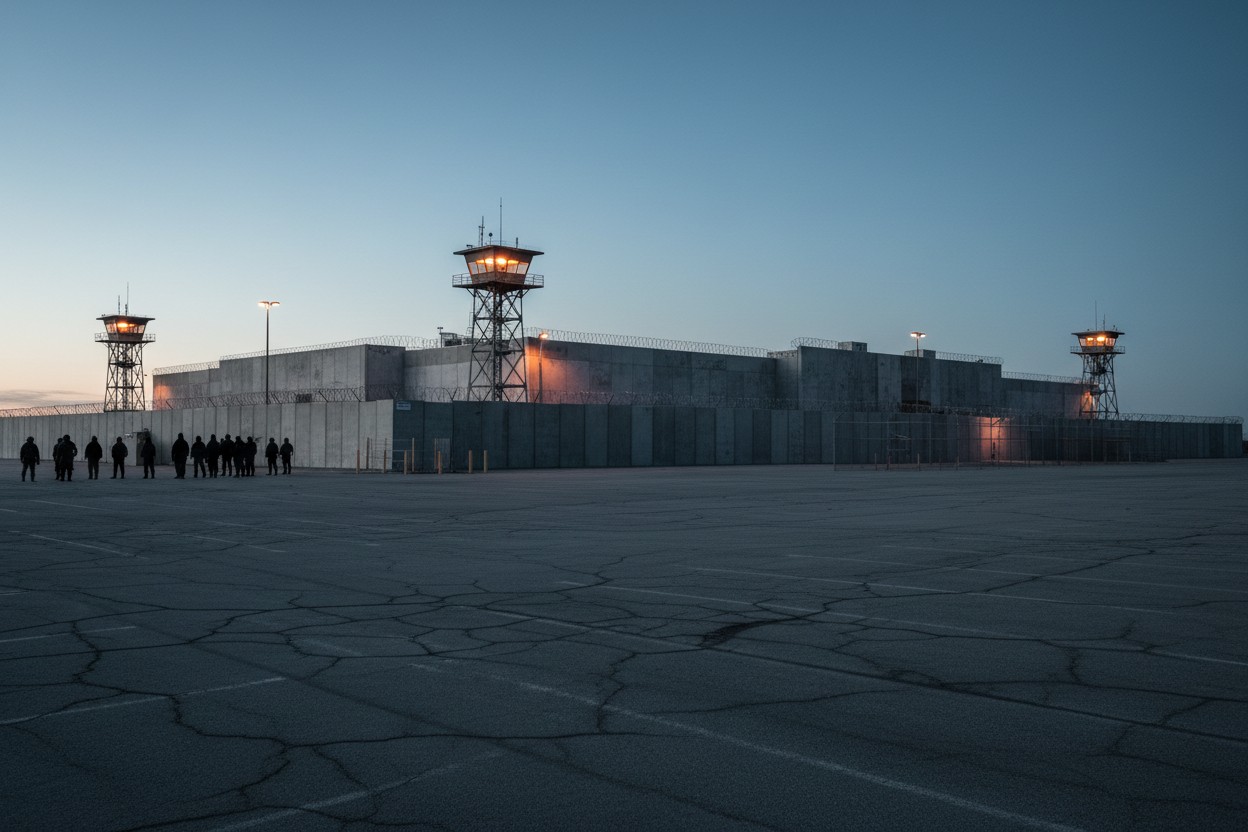
Federal government building eight mega detention centers nationwide – a slippery slope to tyranny
By Lance D Johnson // Share


Could aloe vera hold the key to slowing Alzheimer’s? New study points to promising compound
By Belle Carter // Share

The Abundance Doctrine: How China’s Strategic Innovation Defeats U.S. Economic Strangulation
By Mike Adams // Share

Iraq Detains Ukrainian Nationals Suspected in Plot Against Gulf Oil Facilities
By garrisonvance // Share

U.S. Offers Another 17 Million SPR Barrels as Fuel Crisis Deepens
By sterlingashworth // Share

U.S. Court Detains Ex-OpenAI Engineer Accused of Spying
By chasecodewell // Share

Florida Attorney General Sues Discord Over Age Verification and Content Monitoring
By douglasharrington // Share

IMF Chief Calls for AI Guardrails as Officials Weigh Economic Risks and Opportunities
By edisonreed // Share
